01. A Teenager’s Frustration: Nowhere to Donate (2012–2013)
Sunny’s early attempts to donate clothes failed, revealing a systemic gap that planted the first seed of change.
02. Moving Abroad and Discovering Charity Culture (2014–2018)
Exposure to charity shops and recycling culture in Canada and the UK reshaped her understanding of secondhand value.
03. First Experiment in Lüliang: A Small-Scale Sale (2018)
A small charity sale in her hometown proved that meaningful ideas can take root even in small cities.
04. Returning Home During COVID and Expanding the Vision (2020)
The pandemic brought her back to China, creating an opportunity to scale her idea into a city-wide initiative.
05. Gathering Resources, Volunteers, and Unexpected Support
Community members, institutions, and volunteers unexpectedly joined the cause, turning a personal idea into a collective movement.
06. Choosing Where the Funds Should Go: Elderly Care Homes
Research and field visits revealed that elderly residents lacked fruit, leading to a thoughtful, needs-based donation plan.
07. Event Day: Community, Warmth, and Real Impact
The charity sale sparked conversations on recycling and social responsibility, creating far-reaching influence beyond the money raised.
08. Completing the Circle: Delivering Remaining Clothes
Sunny ensured nothing went to waste by donating all remaining clothes to another elderly care center.
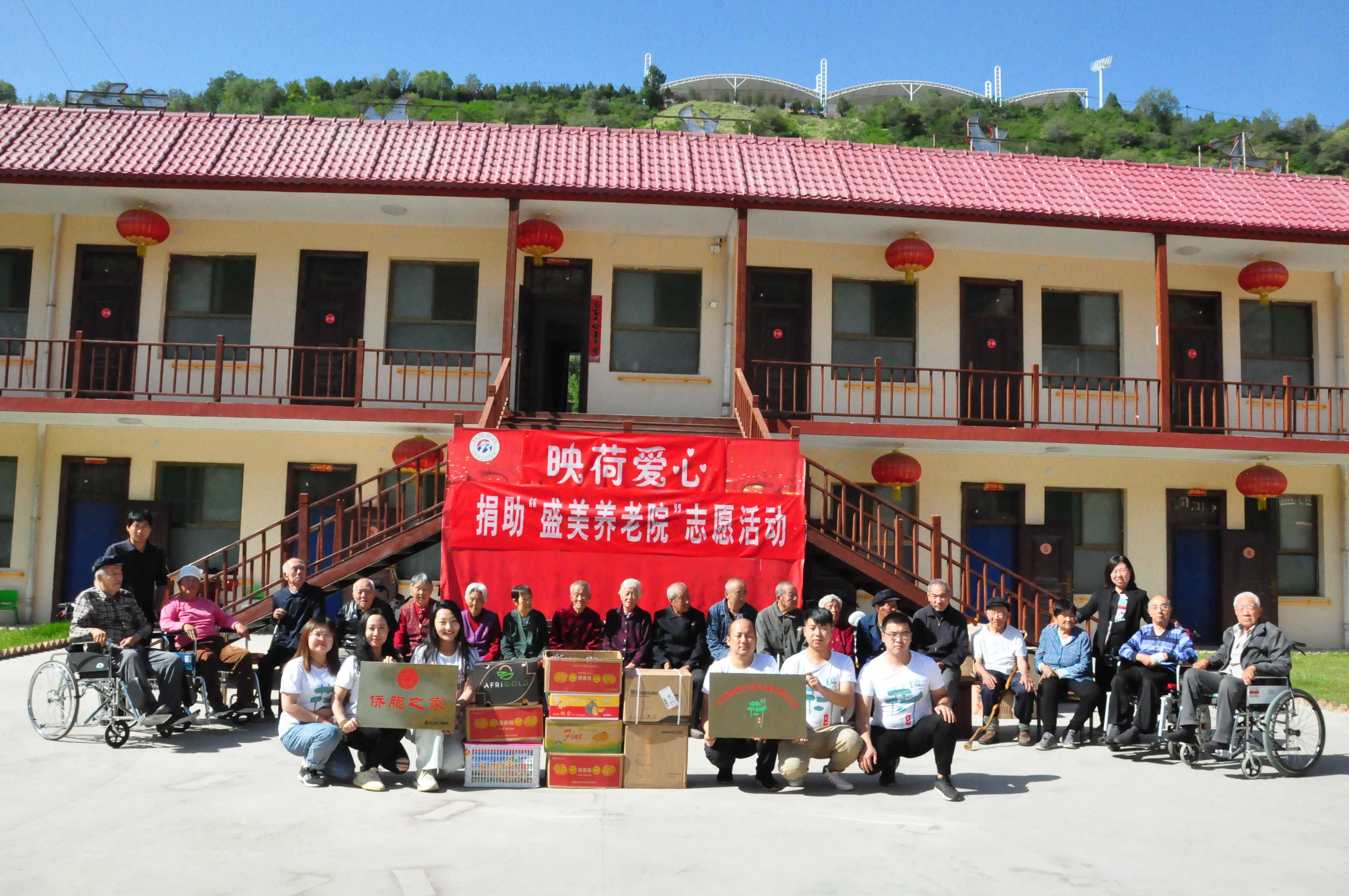
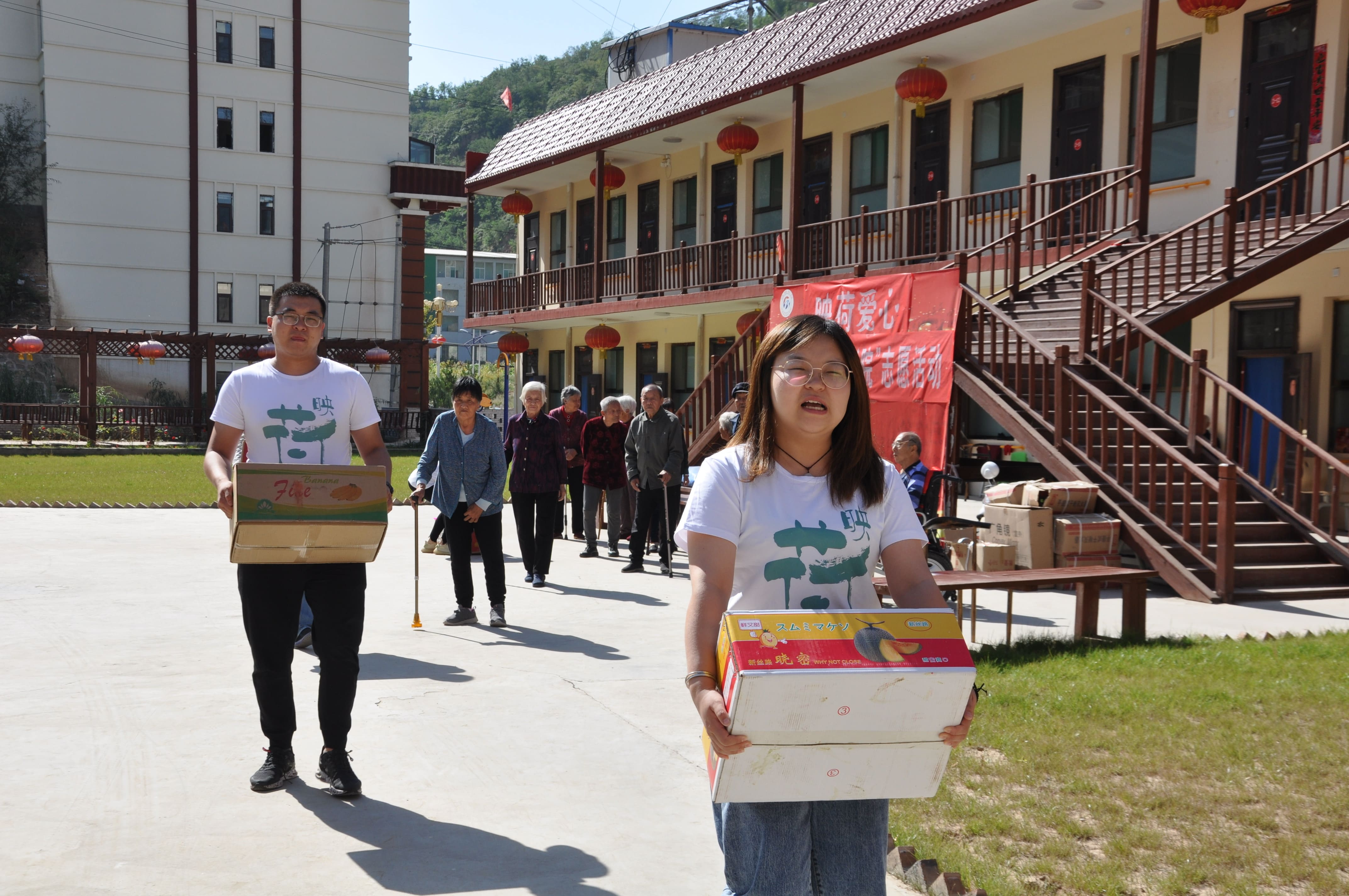
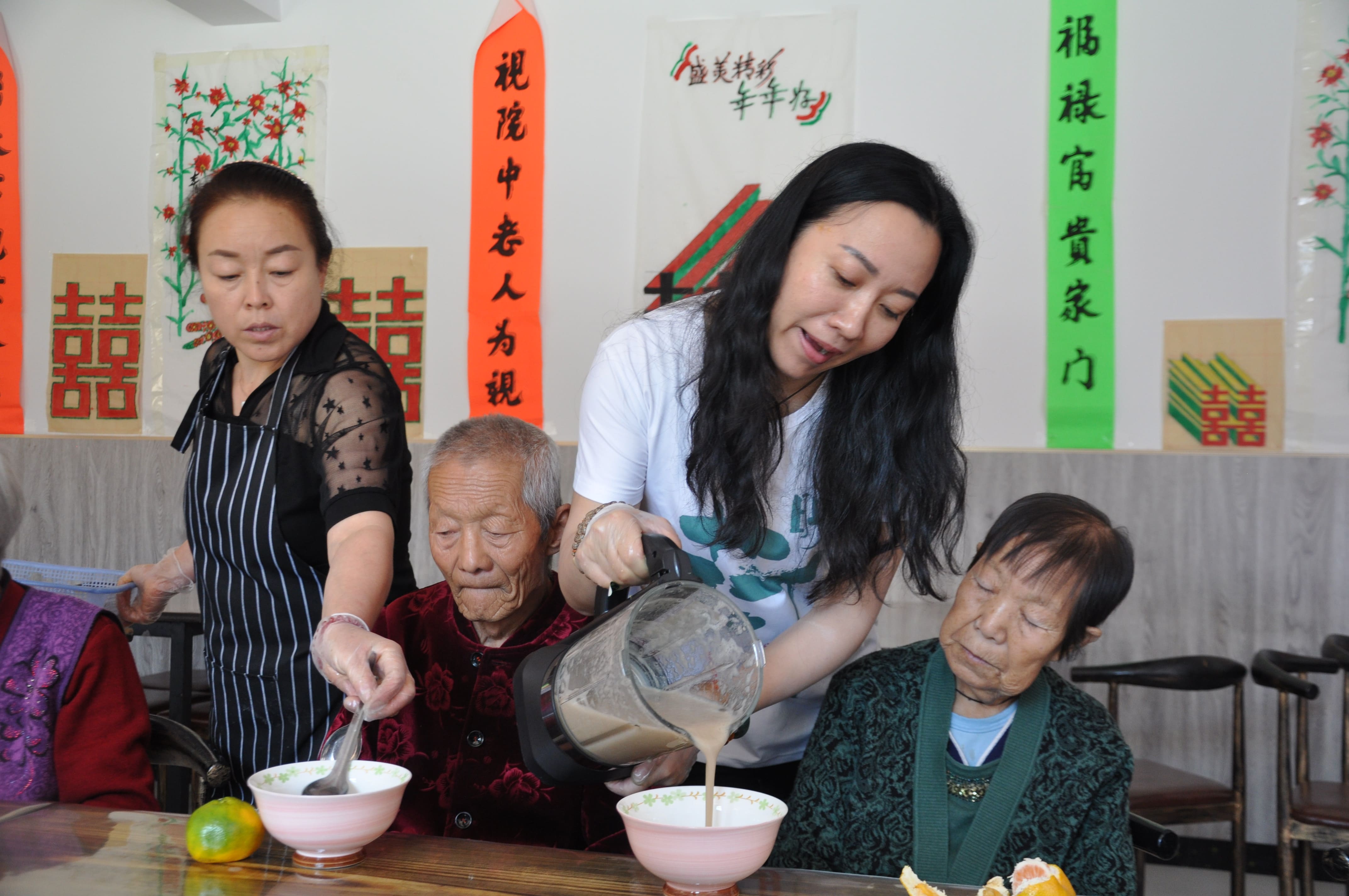
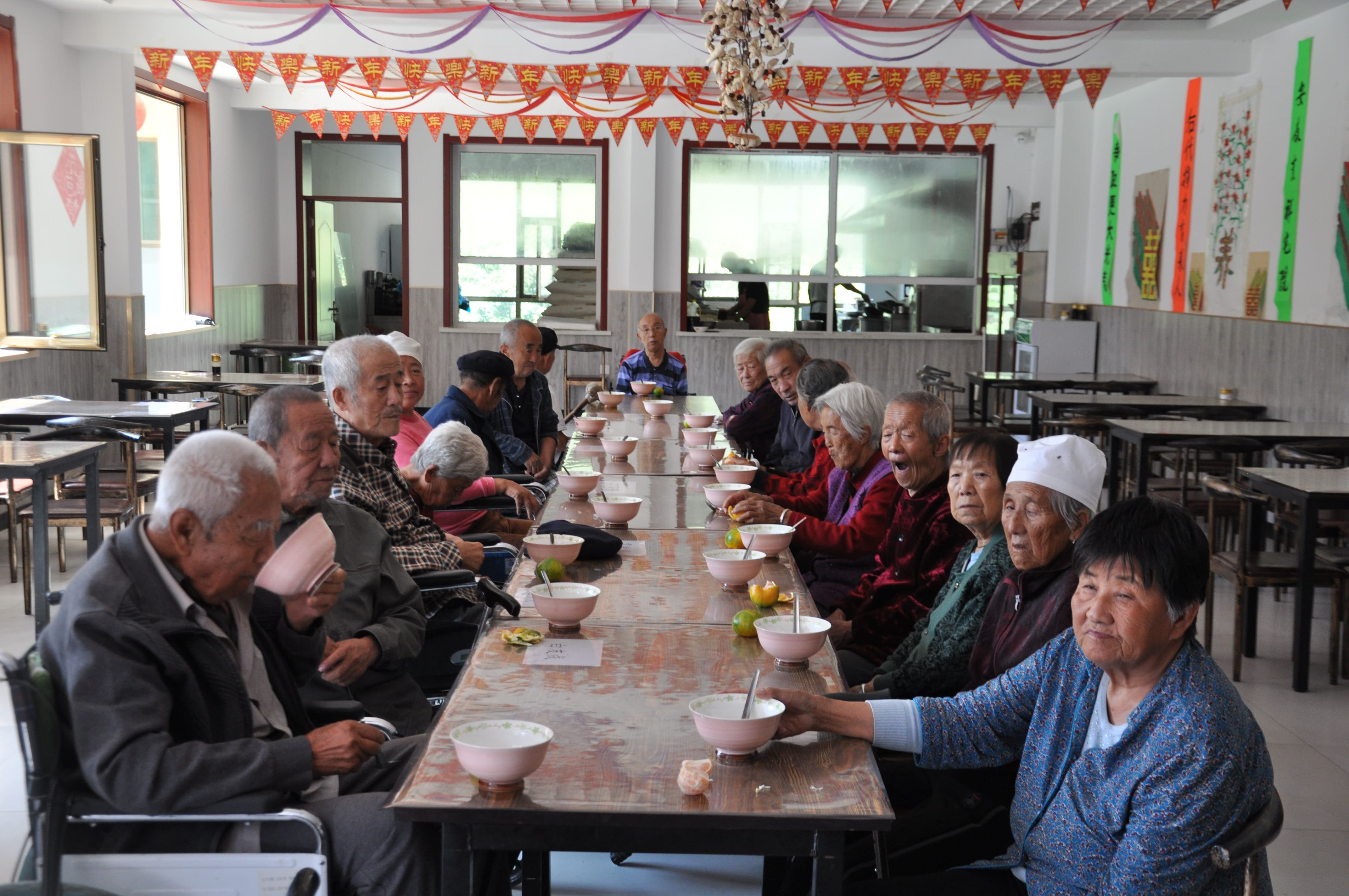
09. Fruit Purée Day at Shengmei Nursing Home
A day dedicated to fruit purée, fresh juice, and care—bringing dignity, warmth, and human connection to the elderly.
10. Why This Project Became the Foundation of InHe Culture
The charity initiative became the ethical backbone of InHe Culture, rooted in sincerity, responsibility, and community empowerment.
The story began when Sunny, the founder of InHe China Travel, was still a middle school student in Shanxi. Like many teenagers, she outgrew her clothes quickly, and she wanted to donate them instead of throwing them away. She searched online (Baidu), wrote down phone numbers of a dozen organizations, and called them one by one.
None picked up.
The few that did said they no longer accepted used clothing—only new items or cash.
Yet Sunny knew many people in rural areas or disadvantaged communities would gladly wear clean, usable secondhand clothes. What was missing was not need—
but a system.
This early frustration planted a seed she would carry for years.
In 2014 Sunny left China for Canada for year 10, and in 2015 she moved to the UK. For the first time, she saw what she had been searching for in her teenage years:
real charity shops, donation channels, recycling systems, and a culture that treated secondhand items as social resources rather than burdens.
People donated freely; people bought freely; the money supported communities, environmental sustainability, and vulnerable groups.
Sunny thought:
“If only my hometown had something like this.”
The seed planted years earlier quietly began to grow.
When Sunny returned home in 2018, she decided to try a simple personal experiment. But before taking action, she needed to understand the local mindset. Through simple online research and conversations with locals, nearly all feedback was discouraging:
Some even suggested she bring the idea to Beijing or Shanghai instead.
But Sunny’s purpose was the opposite—to plant new ideas where they didn’t yet exist. So she told herself: “I have nothing to lose. I’ll build it step by step.”
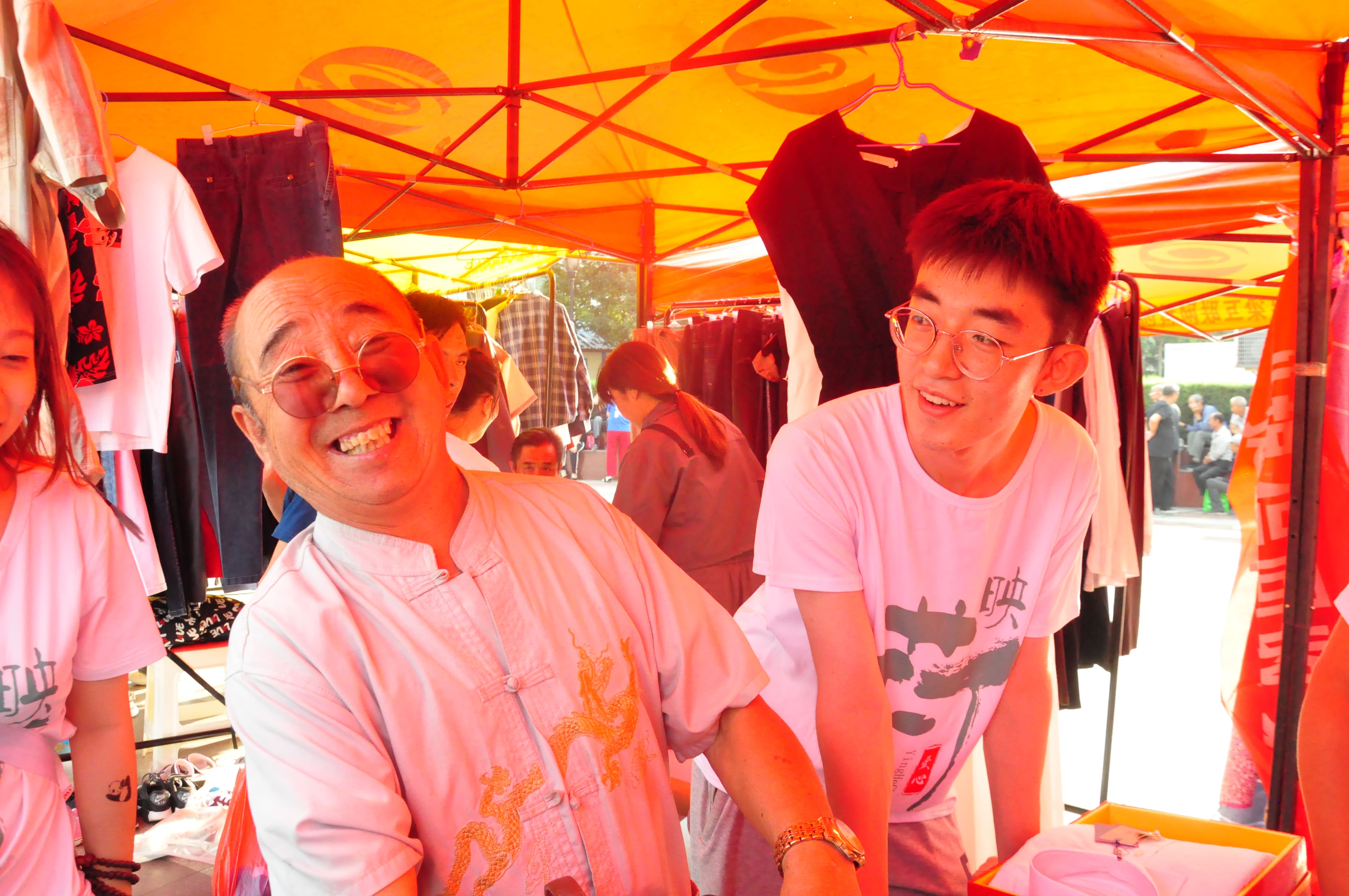
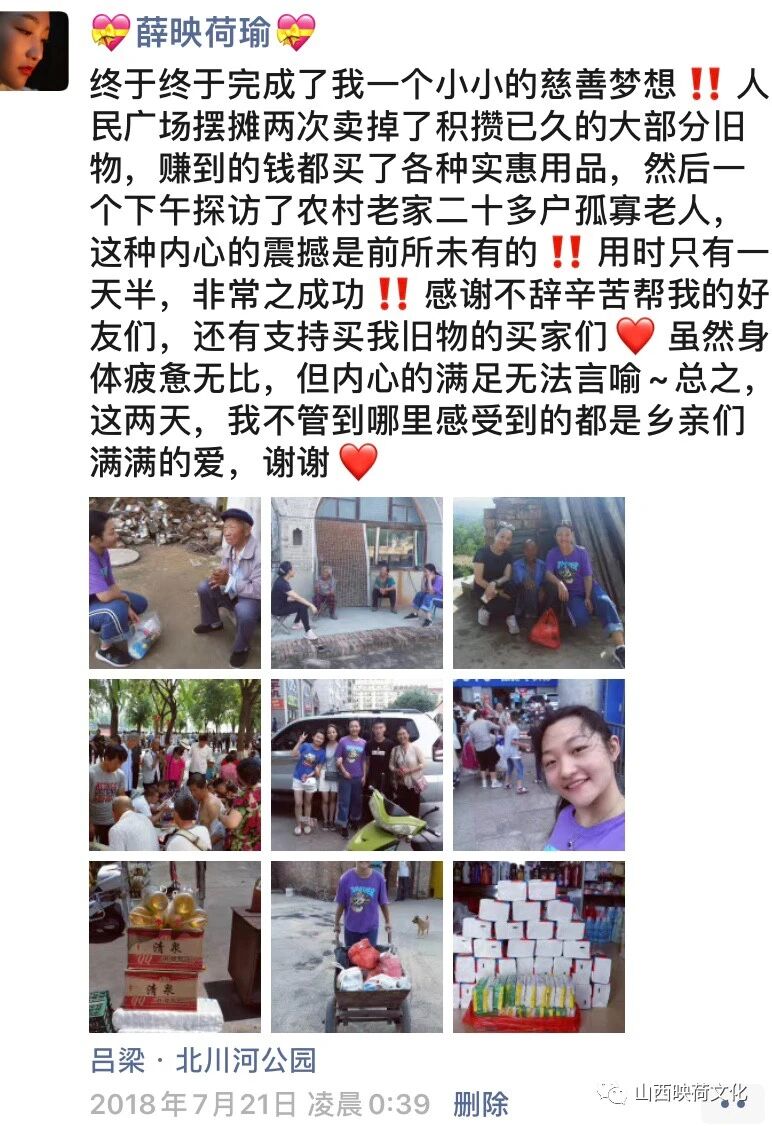
She gathered her own used items, set up a small stall in the central square of Lüliang, and priced everything symbolically—0.5 RMB, 1 RMB, 5 RMB, and 10 RMB. For each item sold, she explained why she was doing this, what charity shops abroad looked like, and where the proceeds would go.
Because the stall was set up in the city square and Sunny was unfamiliar with local regulations, urban management officers eventually asked her to close it down. Yet this did not discourage her. By the end of the afternoon, she had still raised a little over 1,000 RMB — and, more importantly, she had received overwhelming support from buyers who told her she was doing something meaningful.
With that money, she purchased rice, noodles, cooking oil, tea, and other daily necessities from Xinnan Market, then went door-to-door in a nearby village to distribute them to elderly residents. Many were touched, and the poorest households received additional support.
If anything, the experience strengthened her conviction: small cities, too, deserve meaningful charity.
In early 2020, during her second year at SOAS, uniiversity of London, the pandemic brought Sunny back to China. With online classes giving her flexible time, she decided it was time to scale her earlier experiment into a real city-wide initiative.
This time, she wanted to collect clothes from many families, involve volunteers, and organize a large charity sale that combined:
A charity shop–style event for a small city.
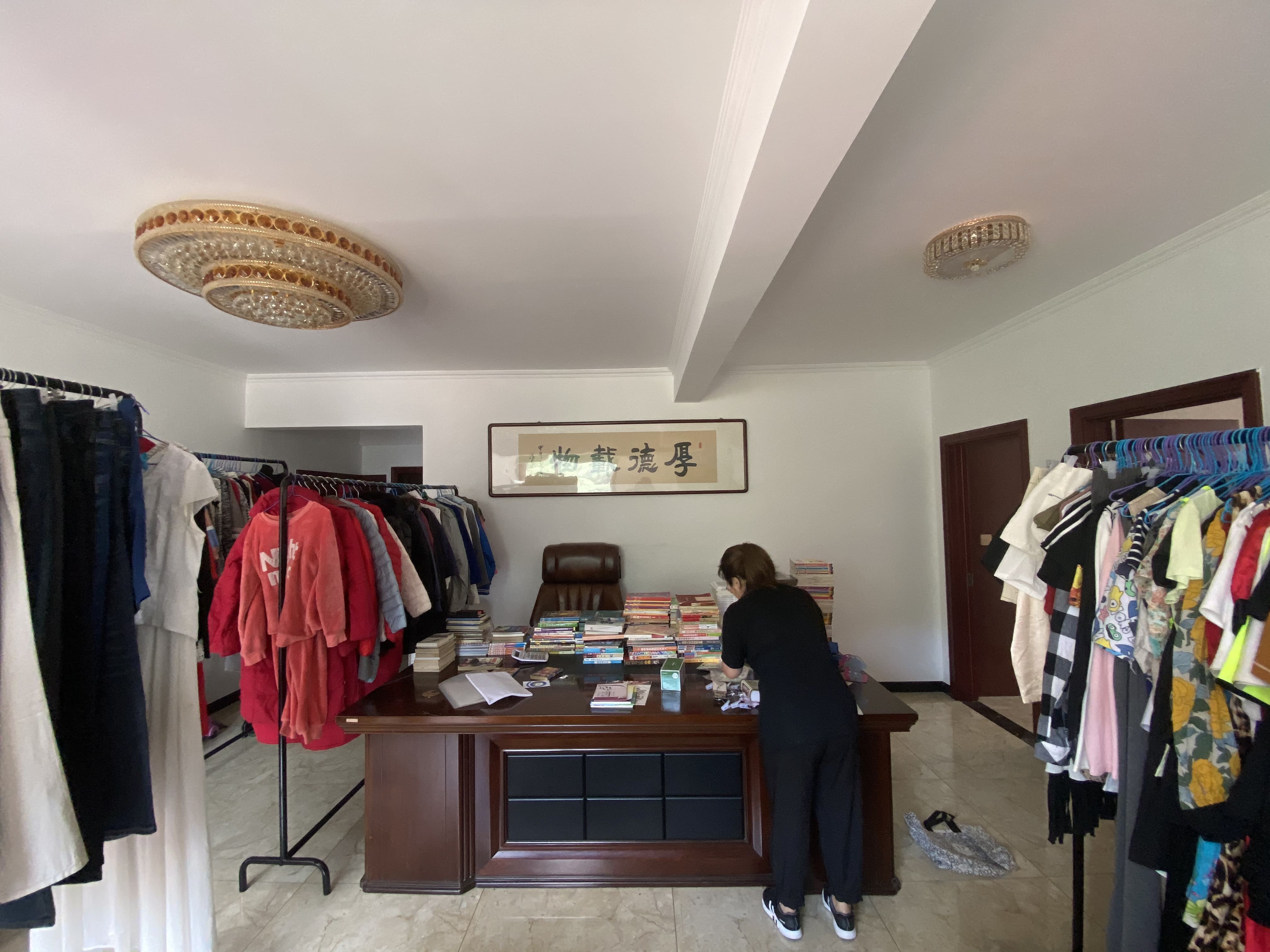
Sunny began collecting clothes across the city, storing them in an empty house her family happened to have. Friends and volunteers frequently came to help sort and organize. The space slowly turned into a mini warehouse.
Then a stroke of luck arrived.
A real estate agent came to show the house to potential buyers and was surprised by the piles of clothing. When Sunny explained the project, he loved the idea and offered to help. He introduced her to the principal of the local school for disabled students—who was also the chairman of the Disabled Persons’ Federation and a key figure in the local charity association.
To Sunny’s surprise, he expressed strong support and helped negotiate with city management.
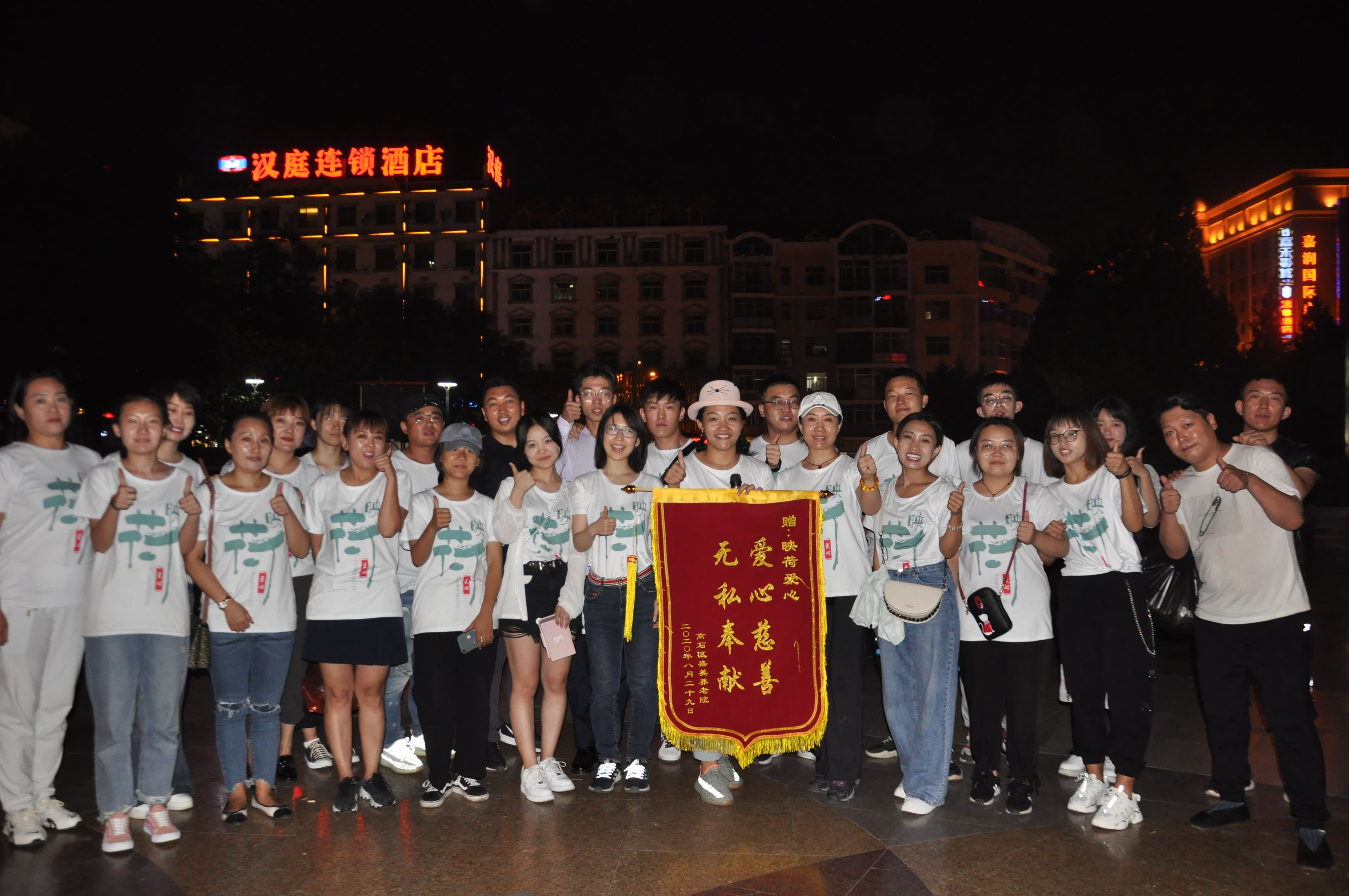
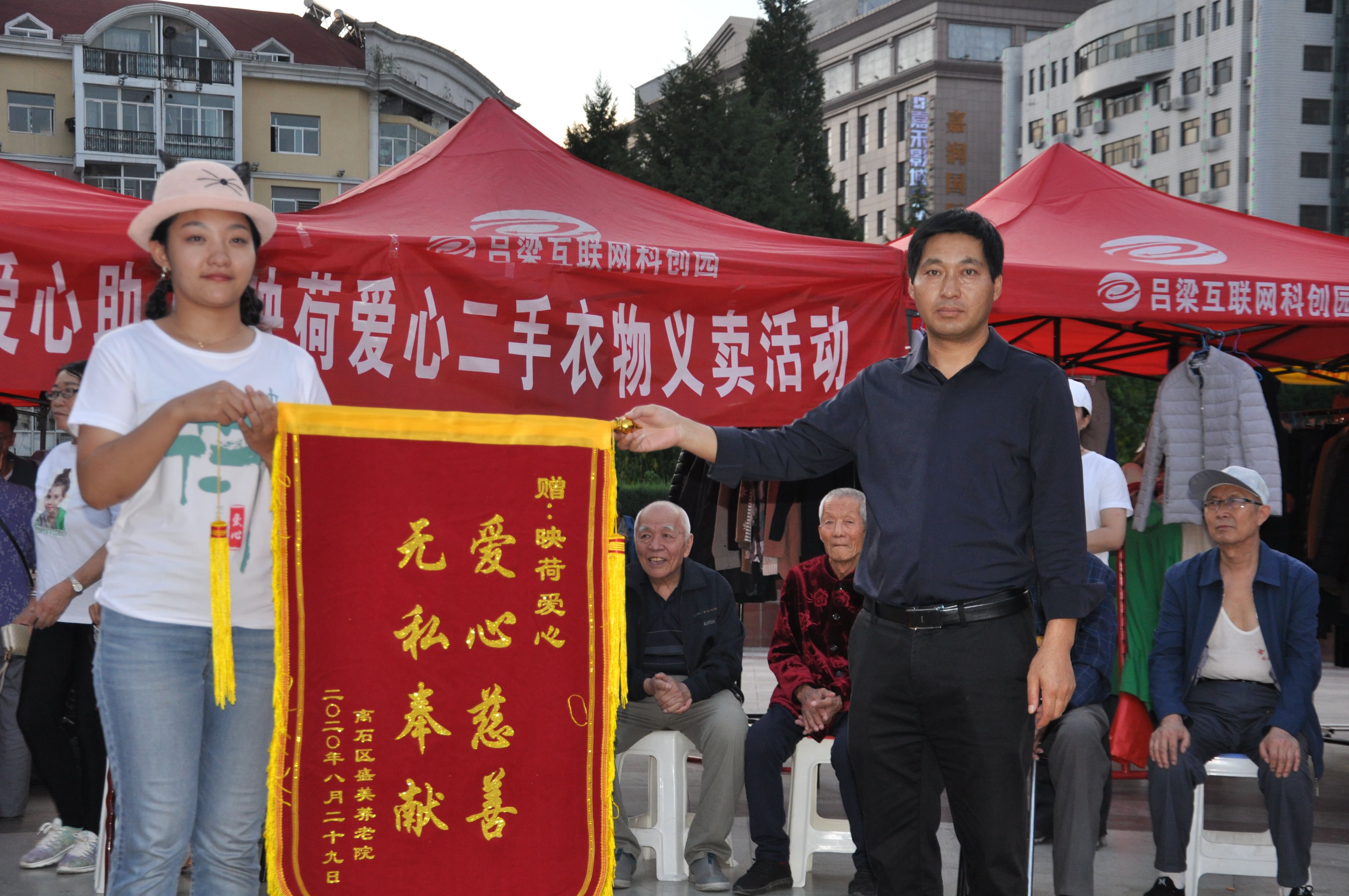
The city granted her official approval to use the central square for a full-day event in August 2020.
Community support followed:
What started as a personal idea was becoming a community movement.
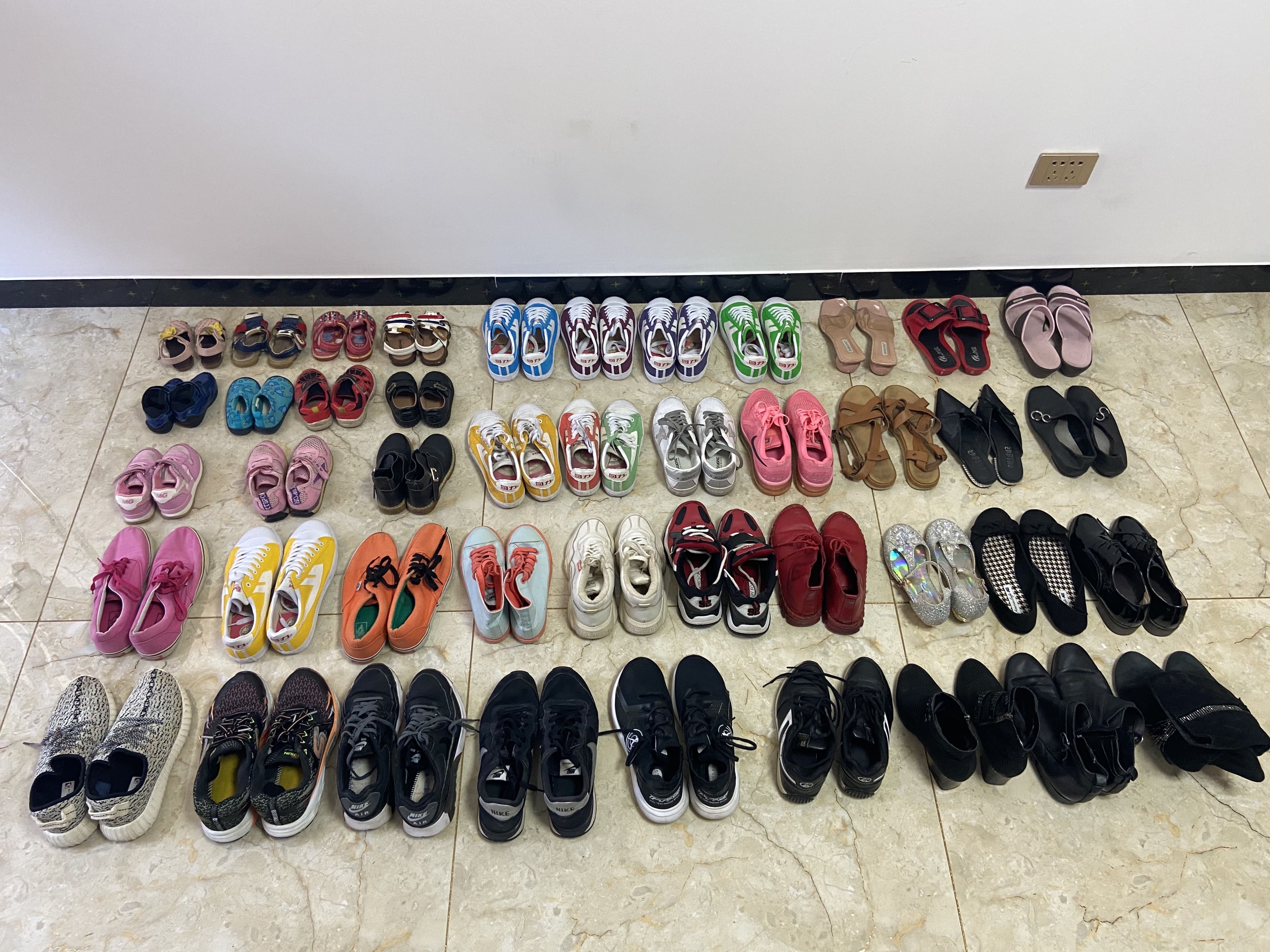
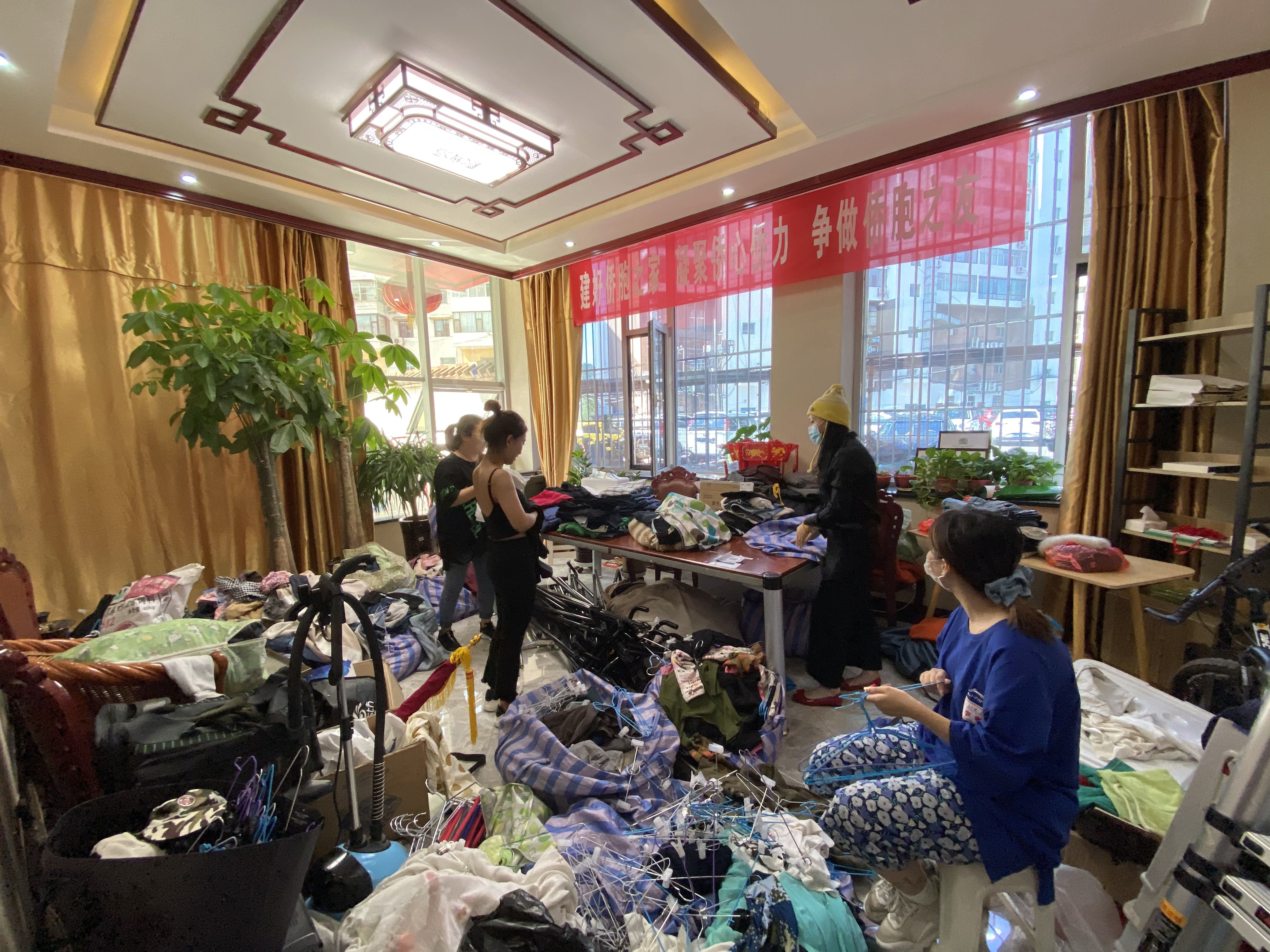
Sunny wanted every yuan to matter.
She researched different elderly homes and eventually selected Shengmei Nursing Home, the largest in Lüliang. She visited multiple times to understand what the residents truly needed.
During her visits, she noticed something striking:
There was almost no fruit.
When she asked why, staff explained—on the surface—that many elderly residents had weak teeth and could not chew fruit. But the real reason was quietly understood: fruit was simply too expensive, and the home could not afford to provide it regularly. Only when relatives visited would elderly residents occasionally get some.
Sunny was moved.
She decided:
All funds raised would go toward buying fresh fruit and blending it into soft fruit purée using a blender—something elderly residents with weak teeth could comfortably enjoy.
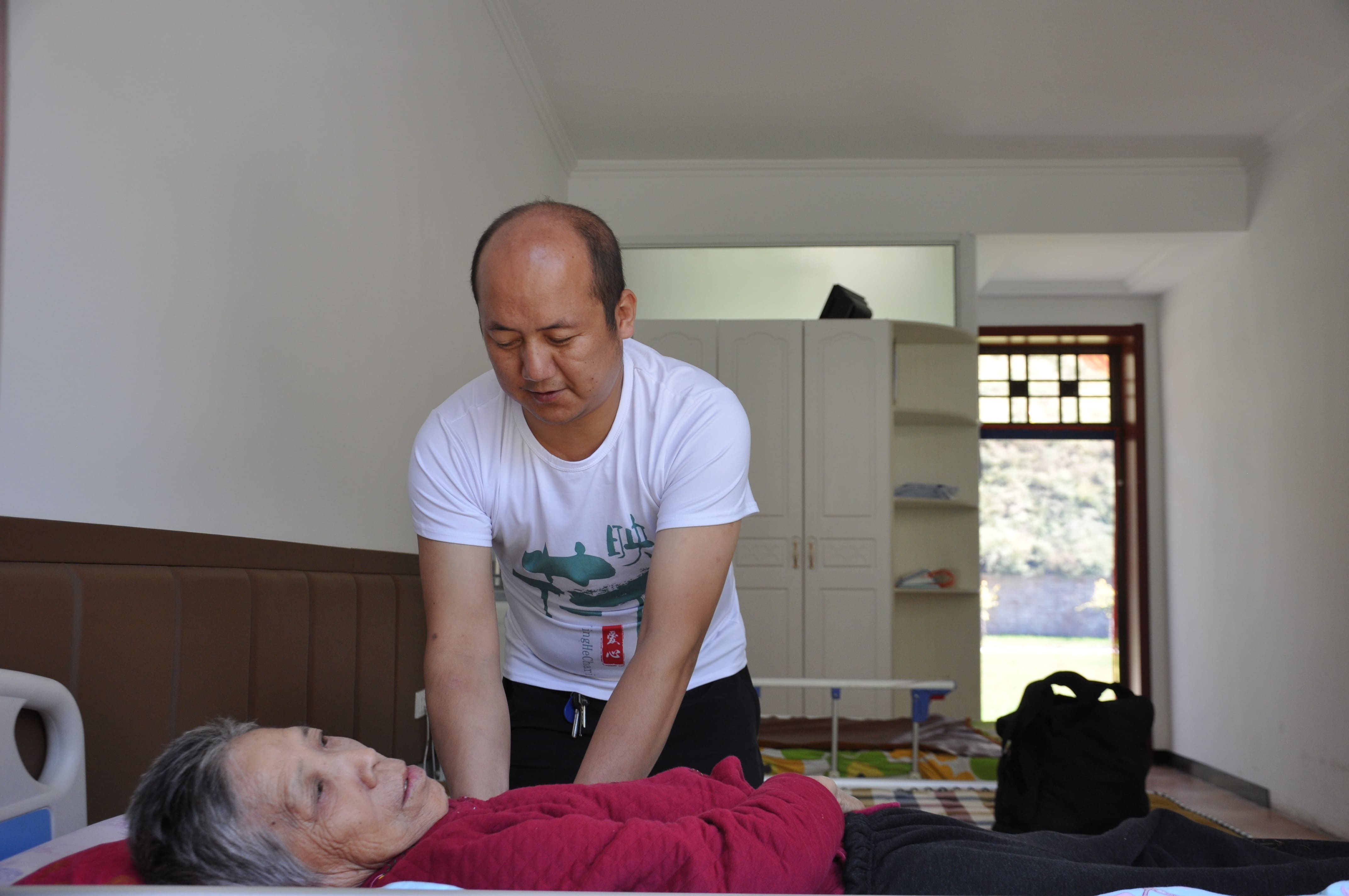
She also arranged for blind massage therapists to volunteer massages for the residents, creating a meaningful moment of mutual support among marginalized groups.
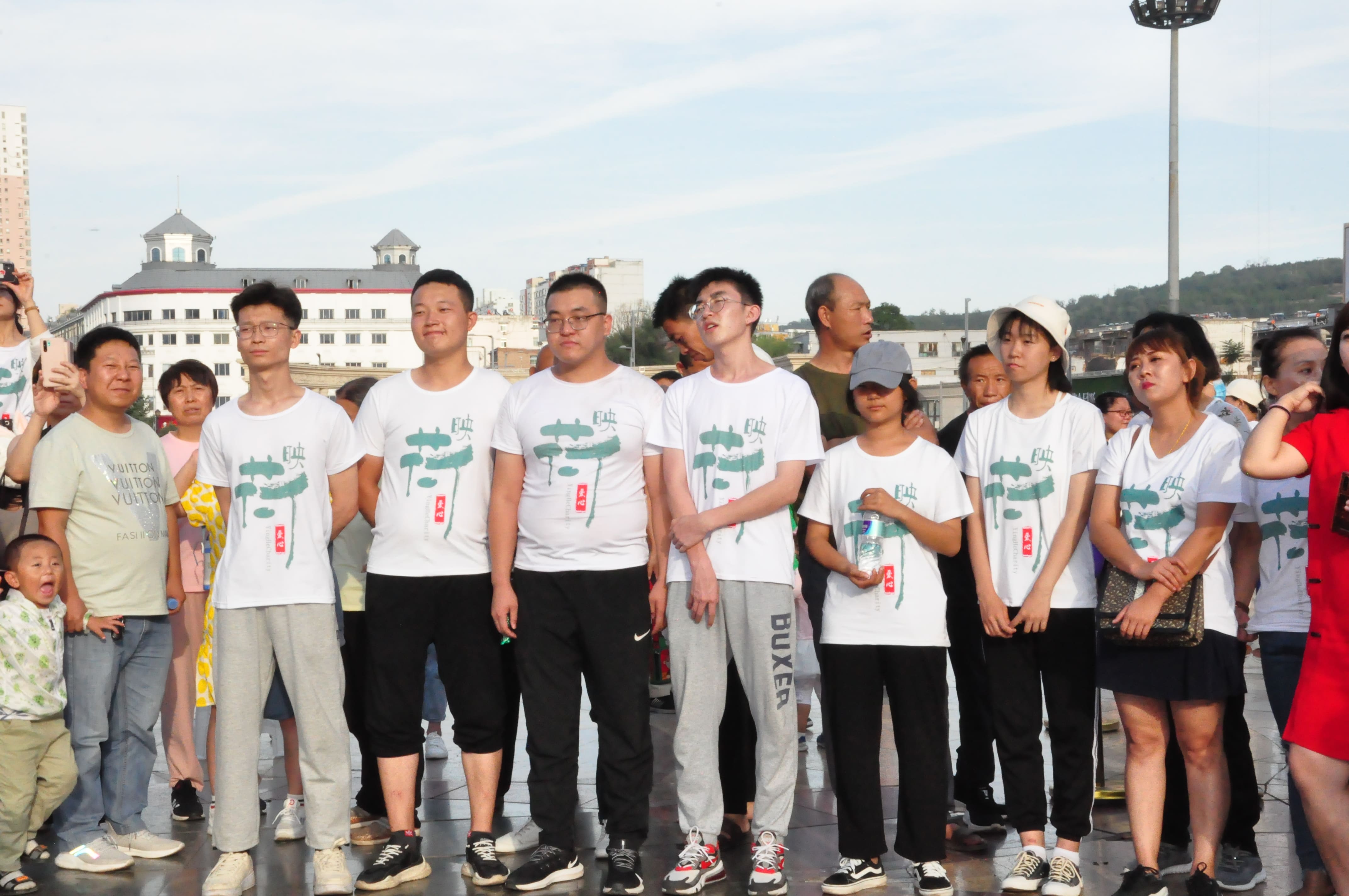
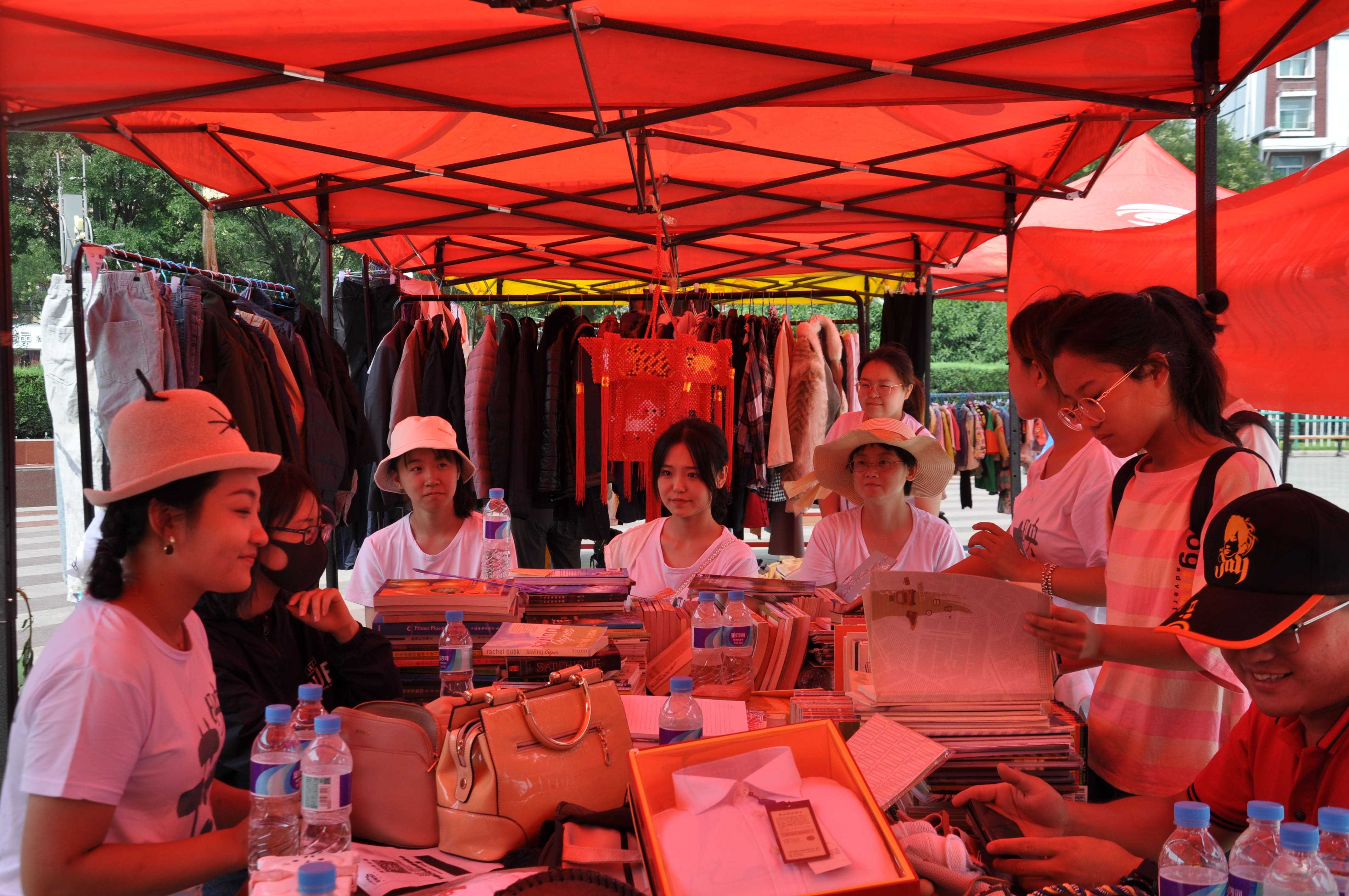
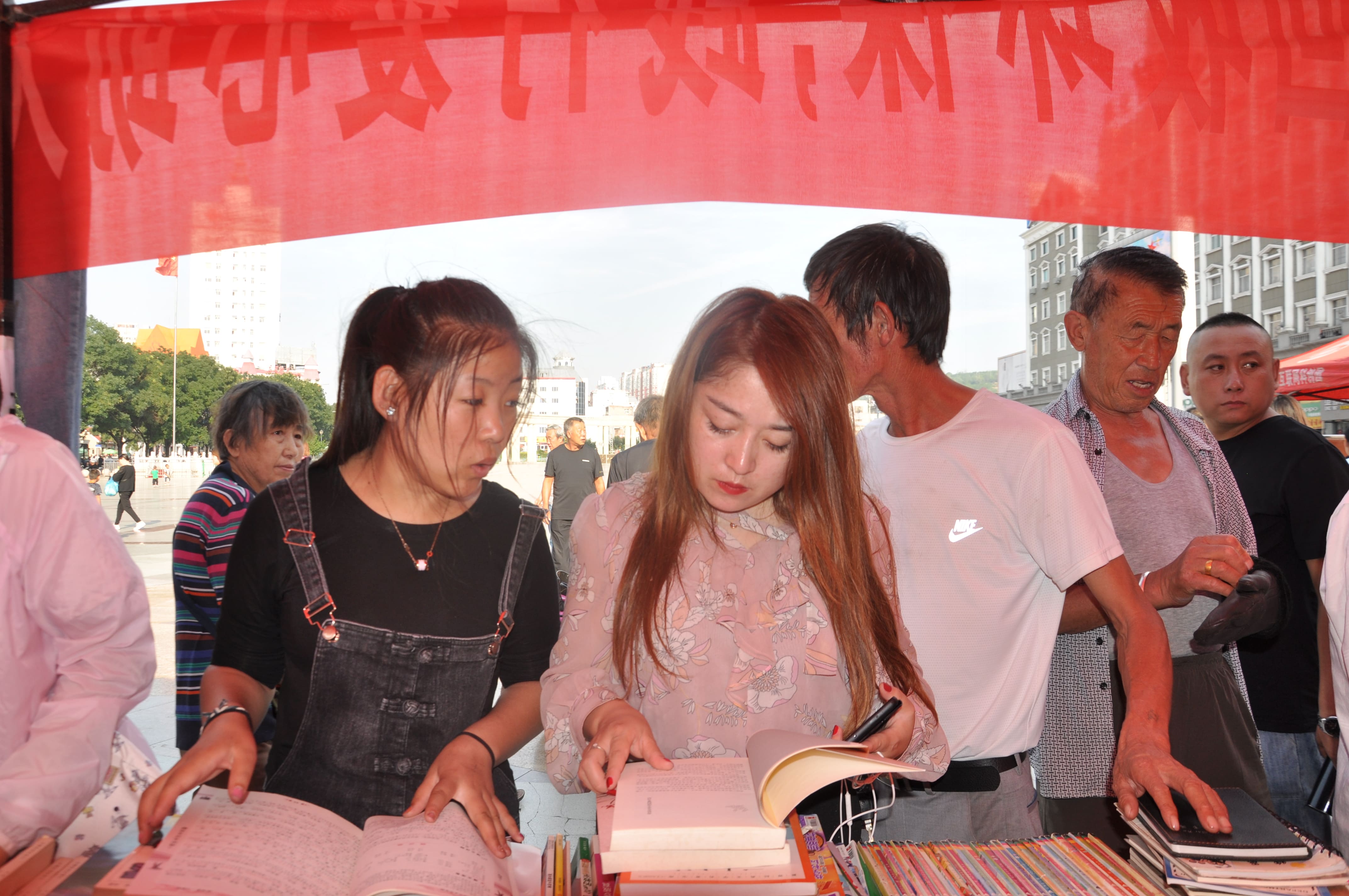
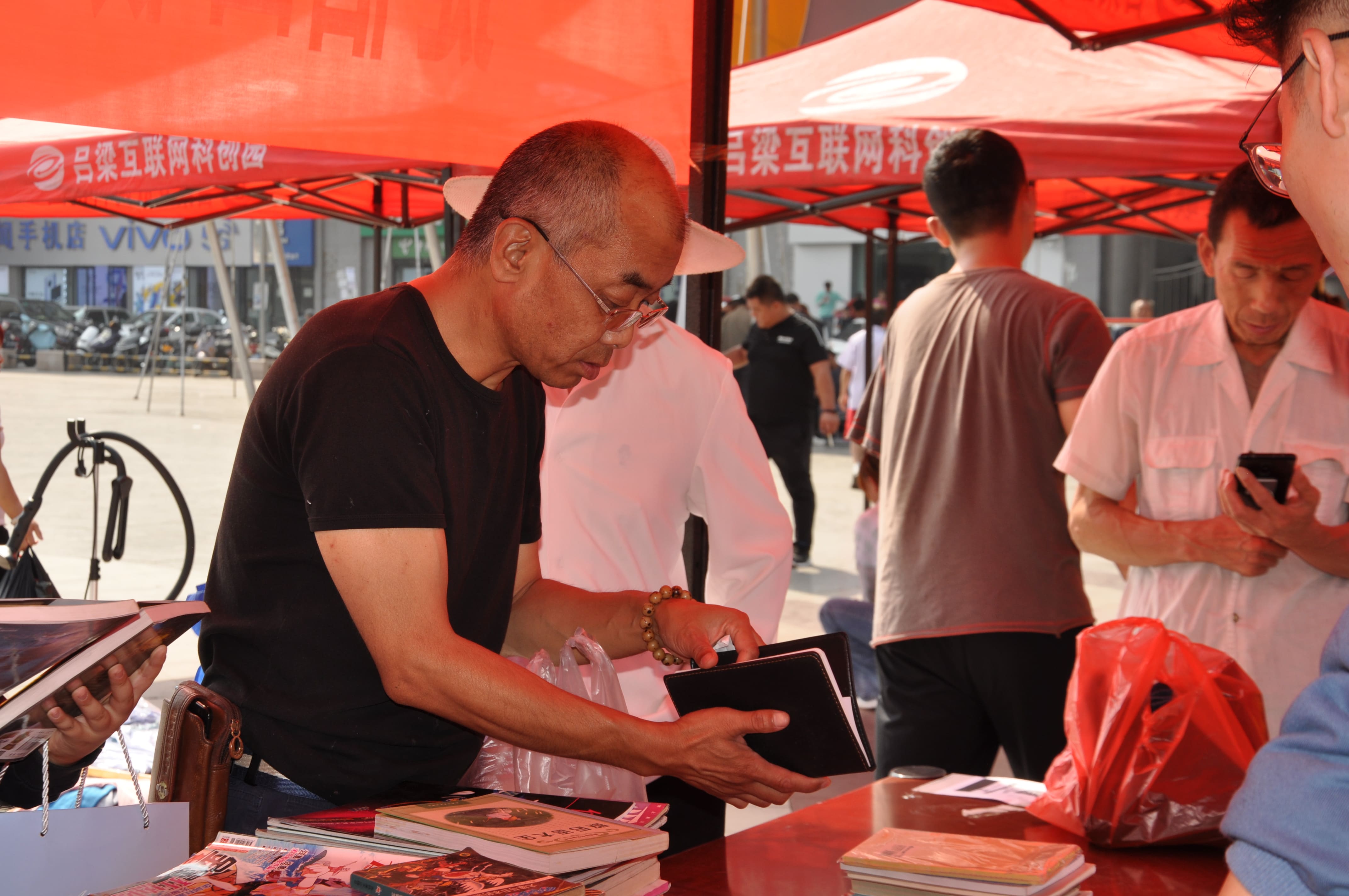
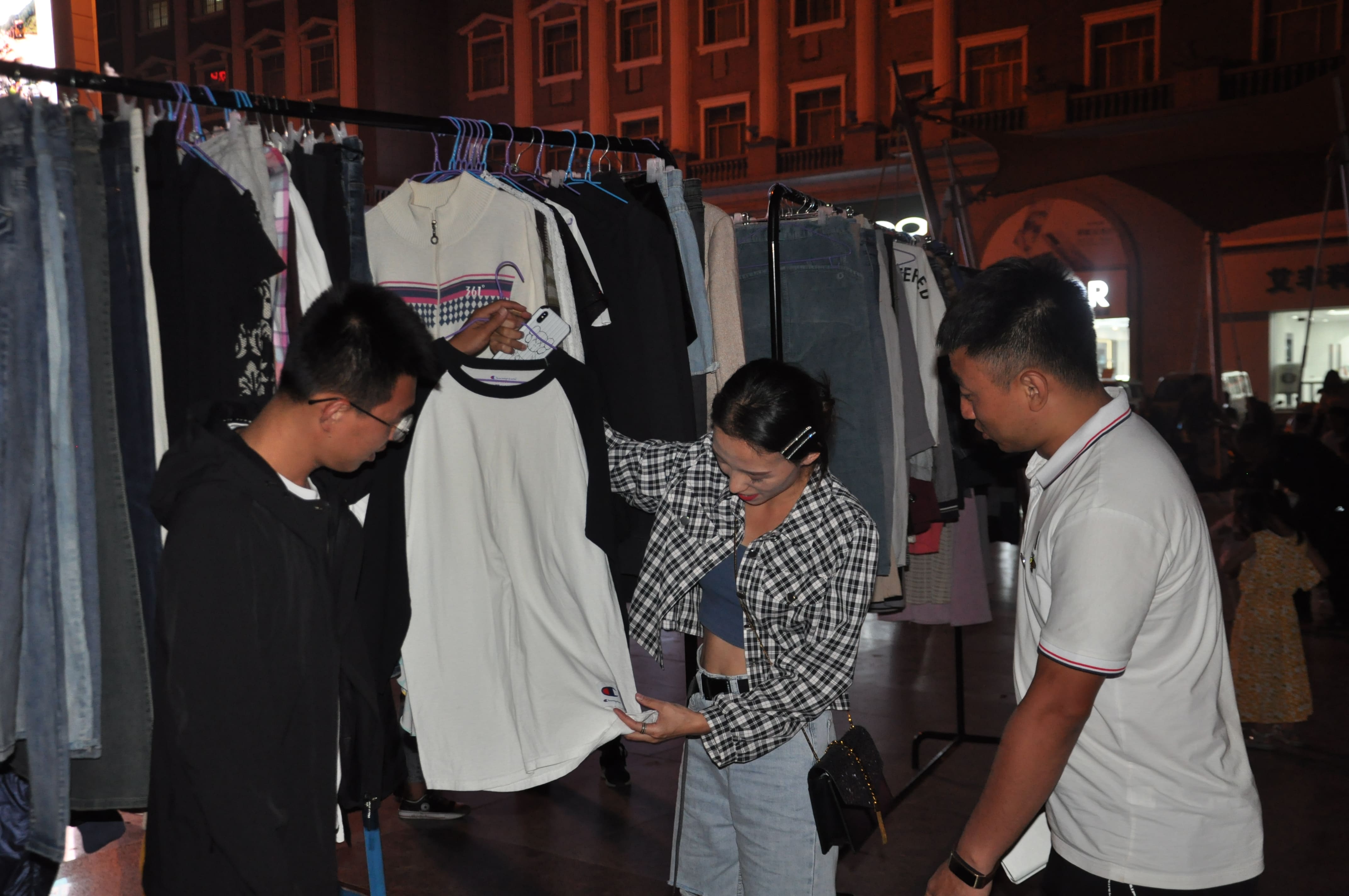
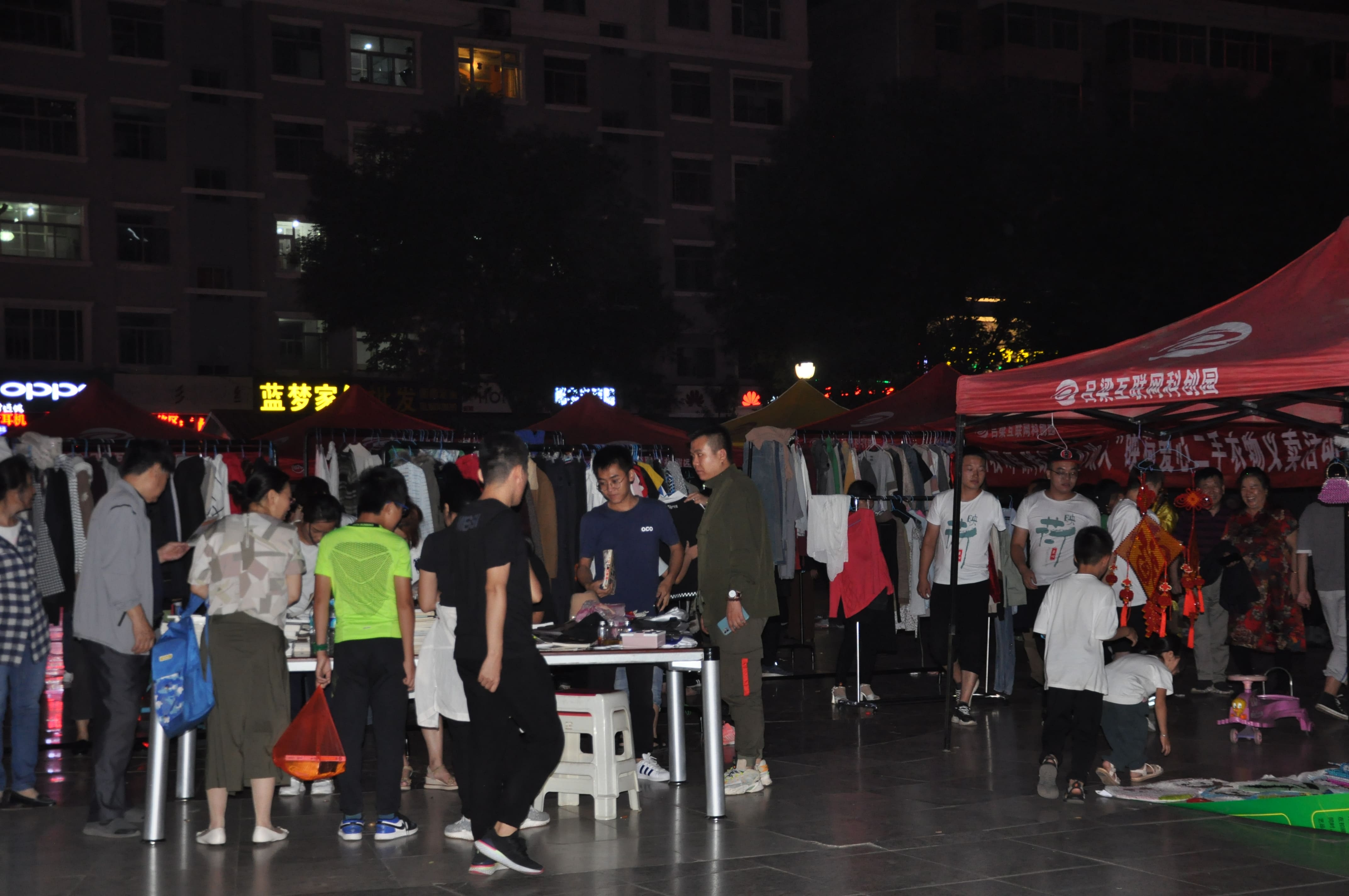
In August 2020, after months of preparation, the event began.
Rows of tables filled the city square. Volunteers spent the entire day under the sun sorting, selling, helping, and talking to visitors.
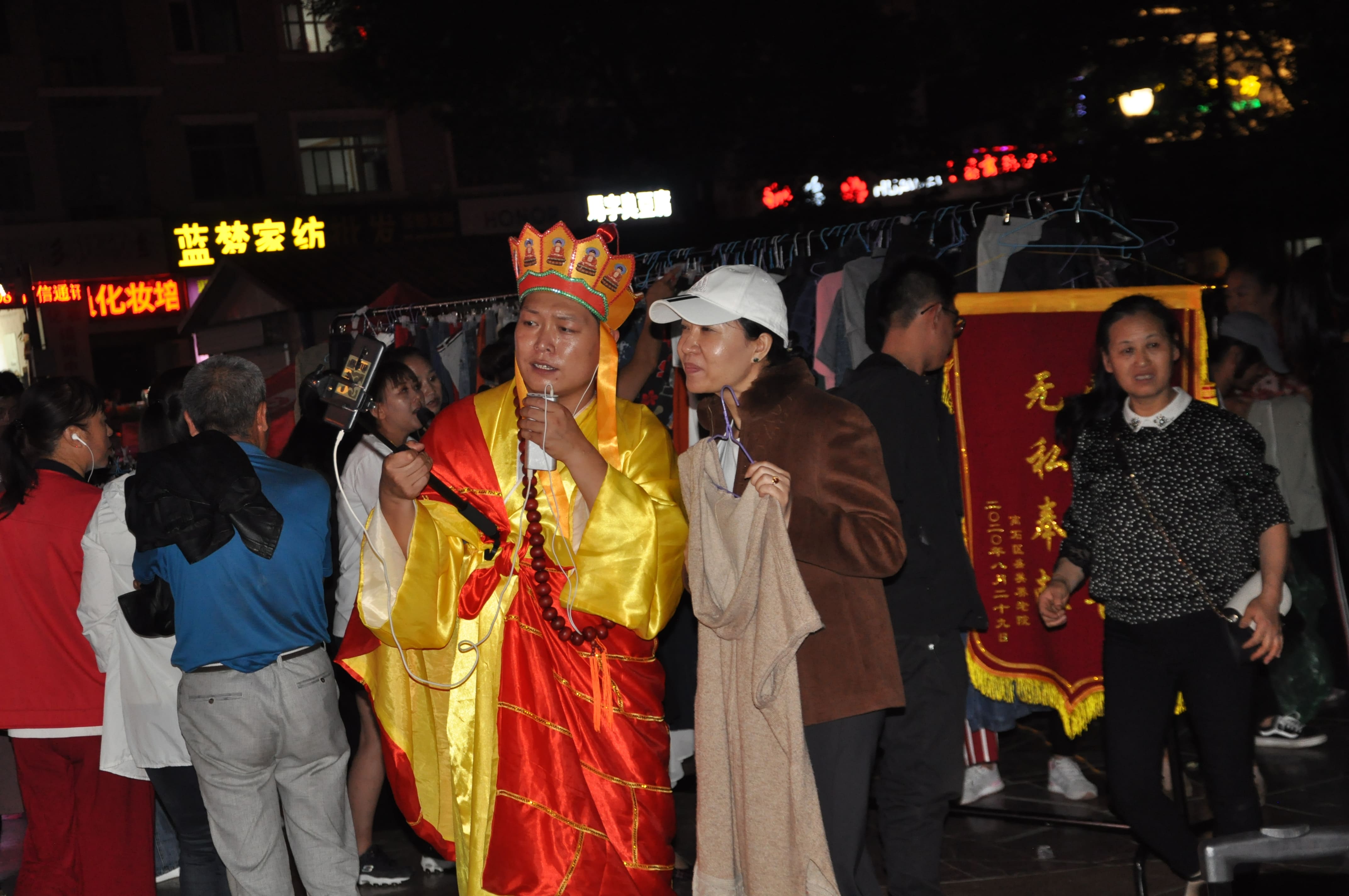
A local influencer arrived to livestream.
Handmade crafts created by children with disabilities were displayed for sale.
The piano school performed.
People came not just to buy, but to support and donate more clothes.
Although the event earned only a little over 4,000 RMB—less than some expected—the social impact was enormous:
After the event ended, many people approached Sunny, hoping to partner with her and turn the project into an ongoing business.
But Sunny declined—not because the idea lacked commercial potential,
but because she believed charity must be sustainable, responsible, and mission-driven.
At that time, she was still a student with limited capacity, and she refused to operate something she could not commit to long-term.
Many saw profit; Sunny saw responsibility. For her, this project was never about income. It was about planting a cultural idea and doing it properly—or not doing it at all.
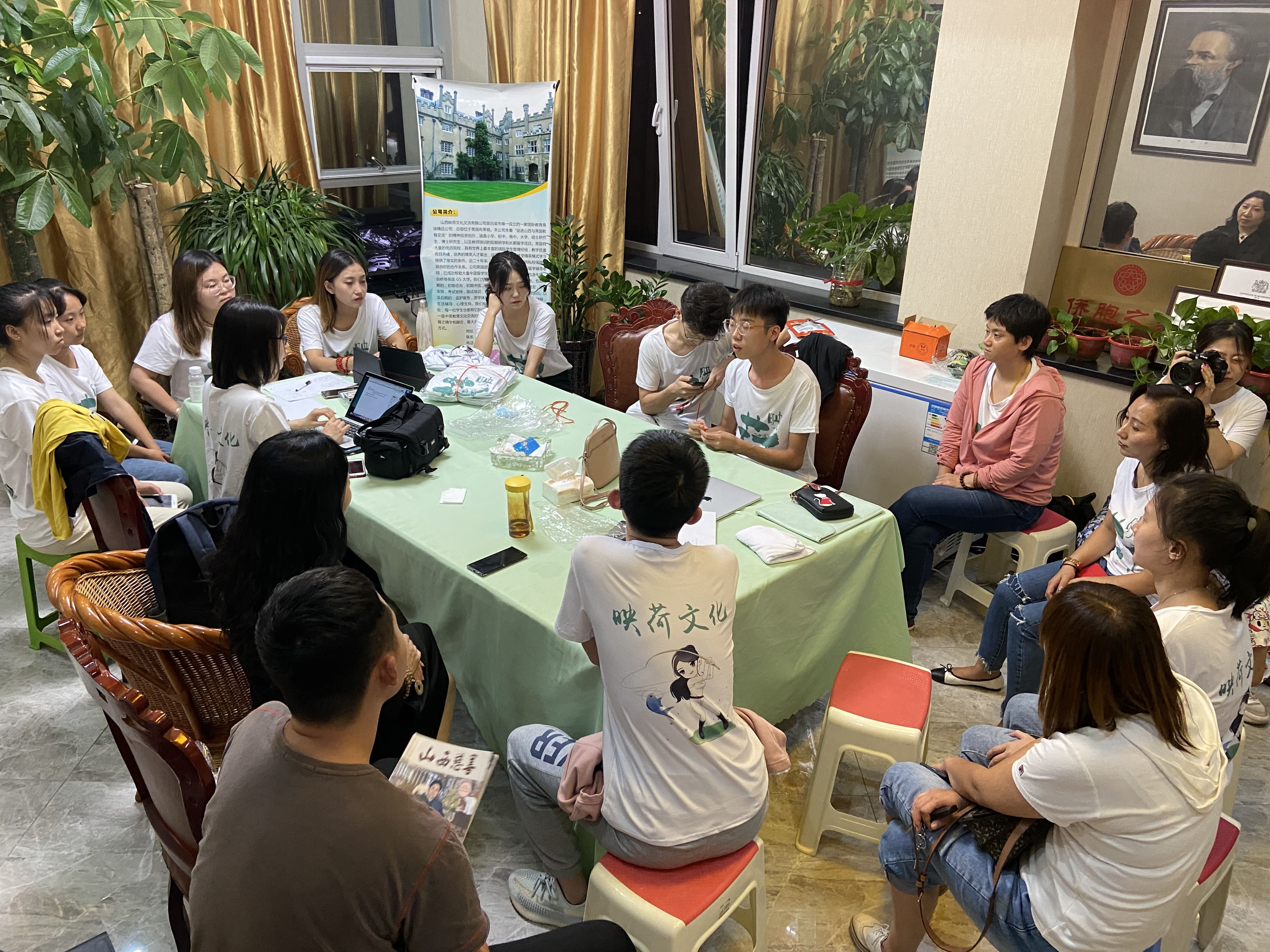
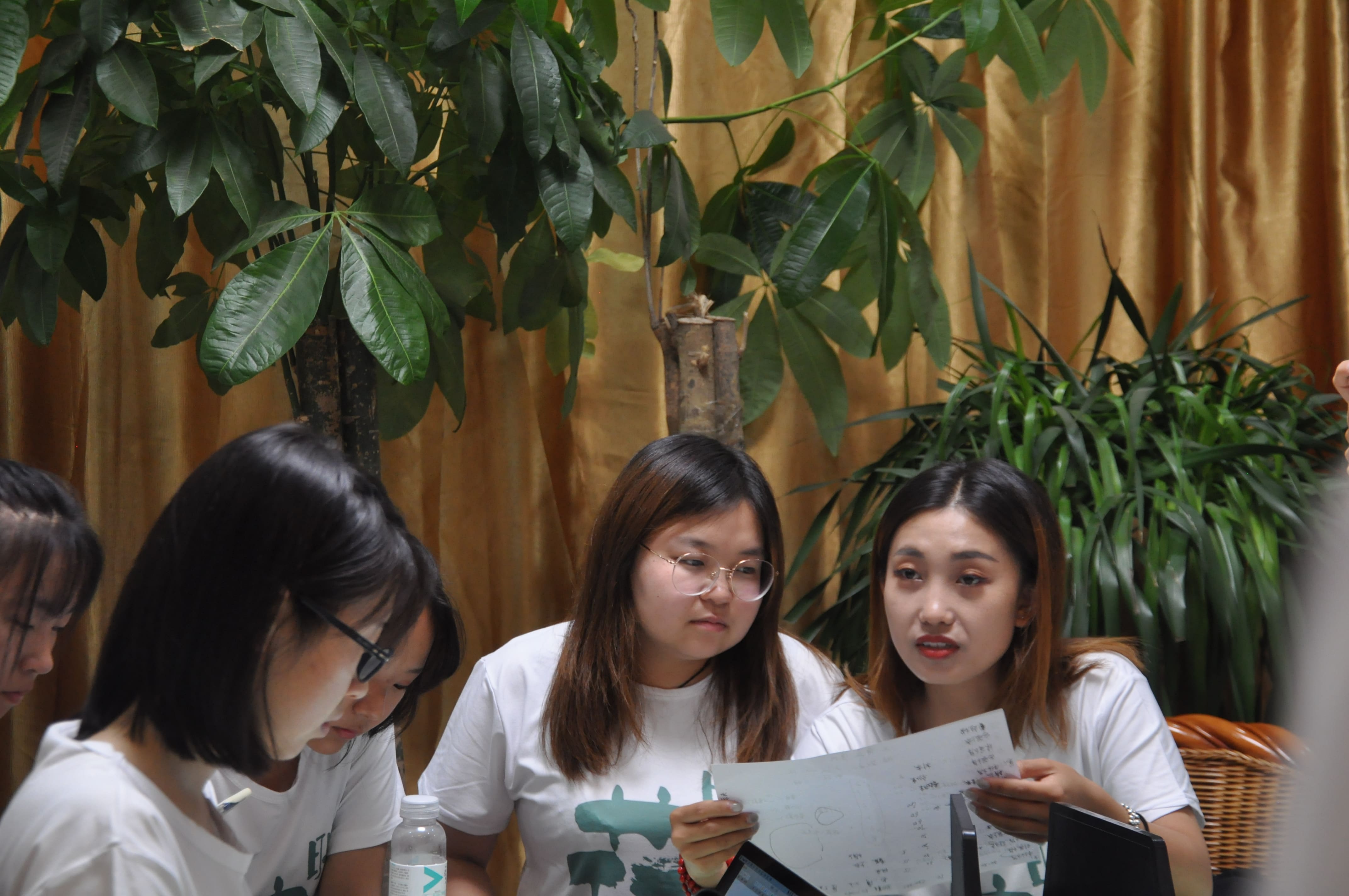
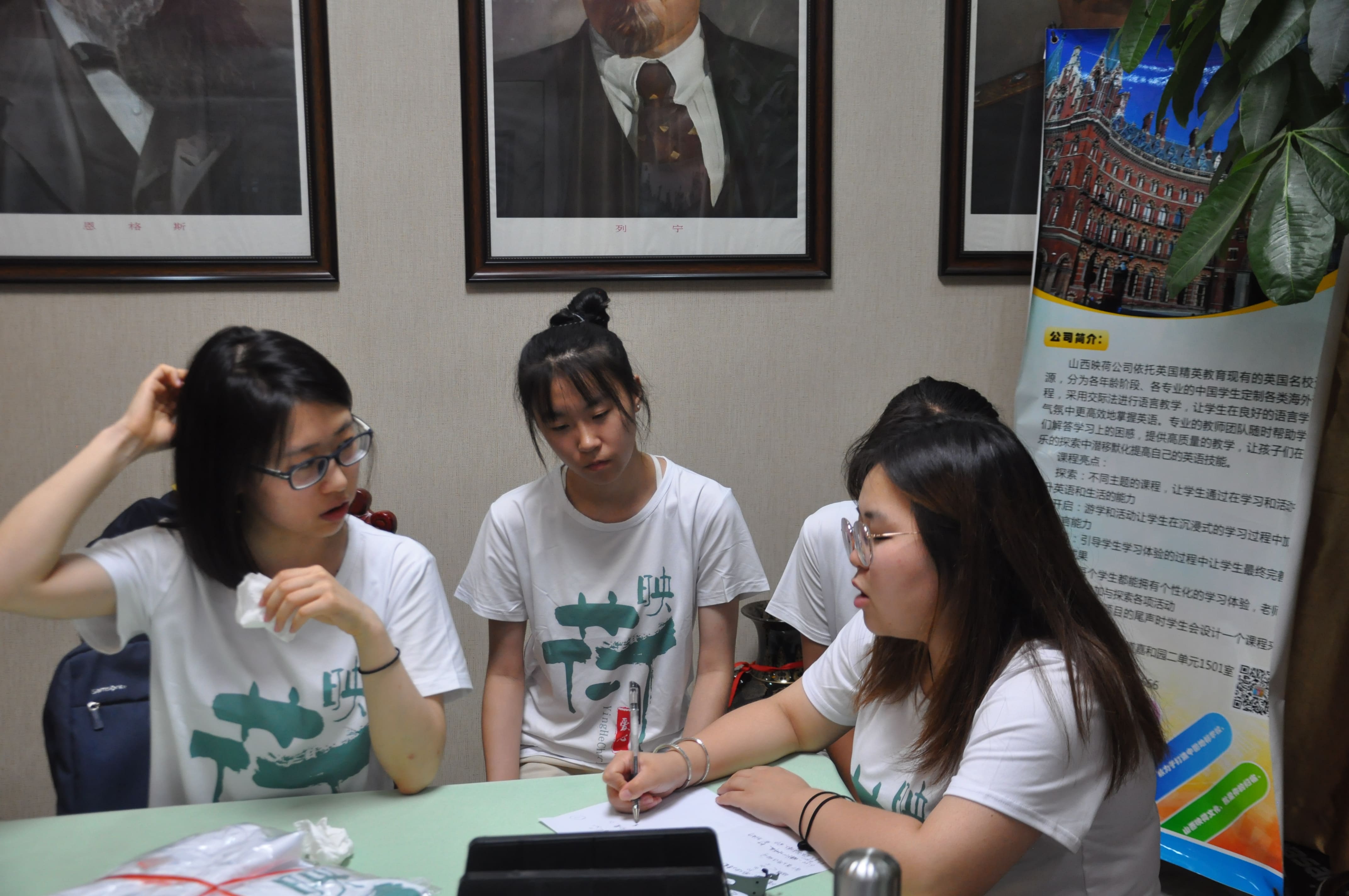
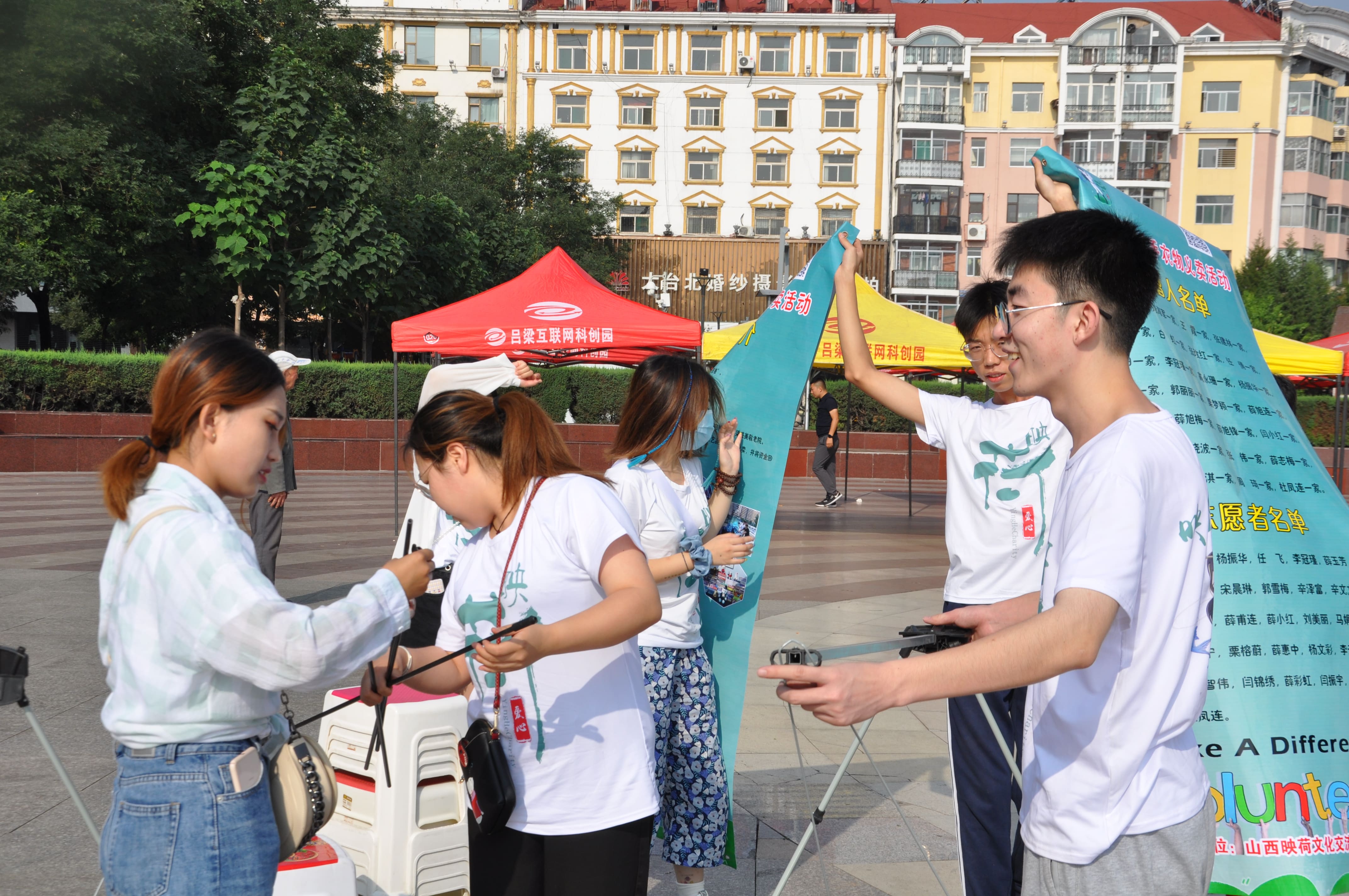
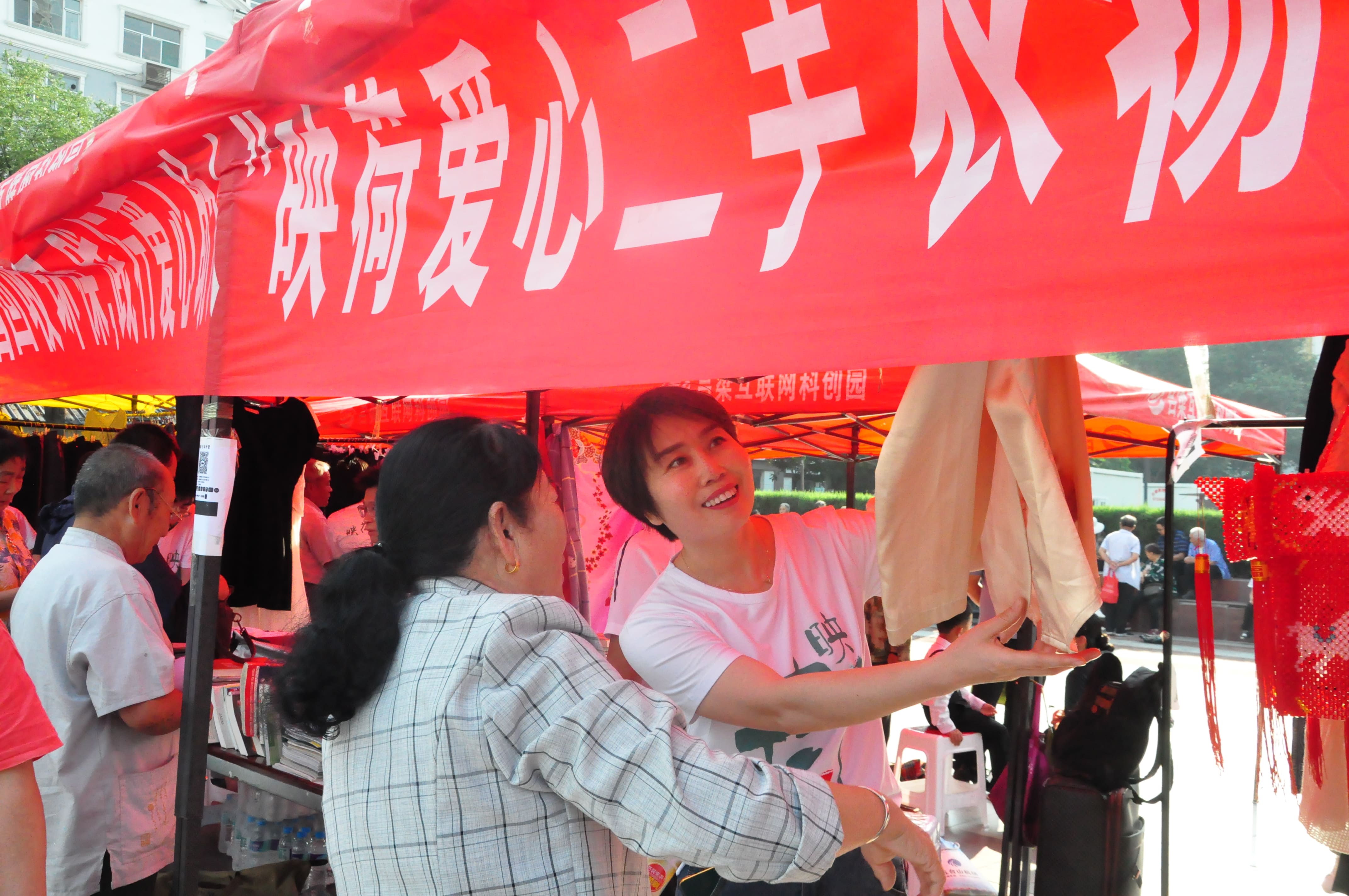
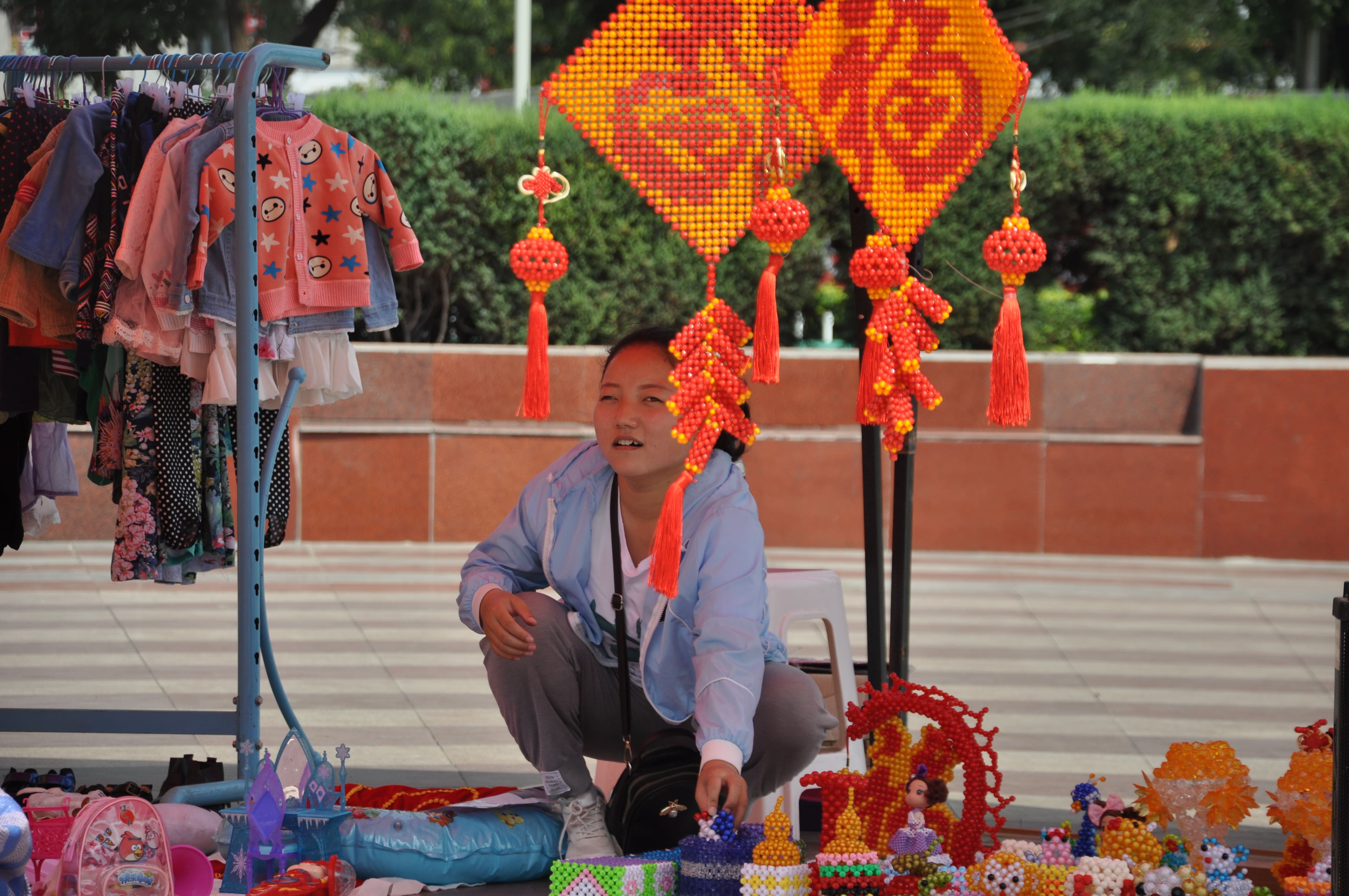
After the event, a large amount of clothing remained.
Determined to finish what she started — and unwilling to let anything go to waste — Sunny continued the work on her own.She located another elderly home in a nearby town, ZaoWa Elderly Care Center, and personally delivered all the remaining items there. The staff and residents received them with gratitude, happy to put the clothes to real use.Sunny also purchased food and drinks for the residents, making sure the donation was complete, thoughtful, and meaningful.
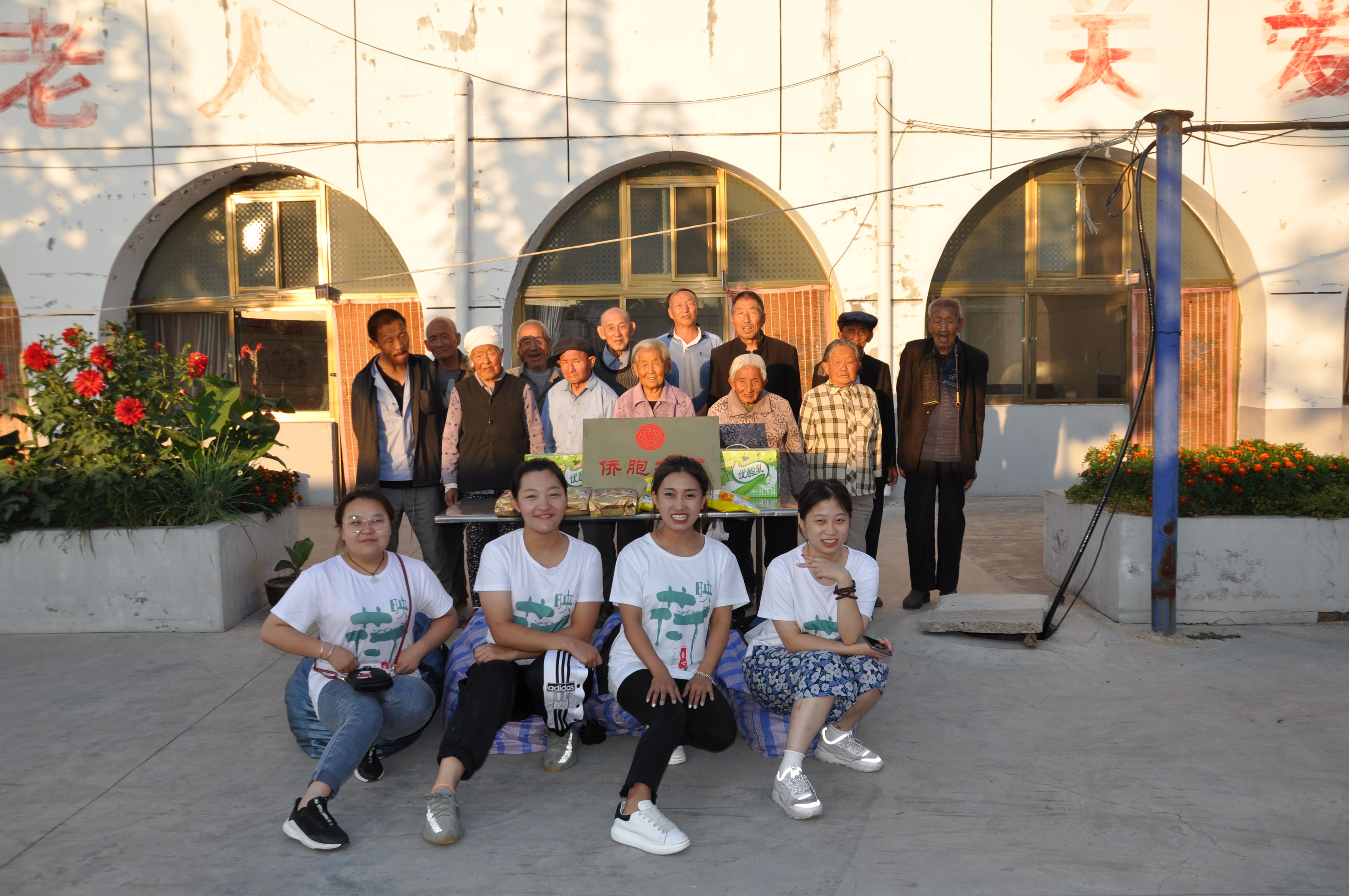
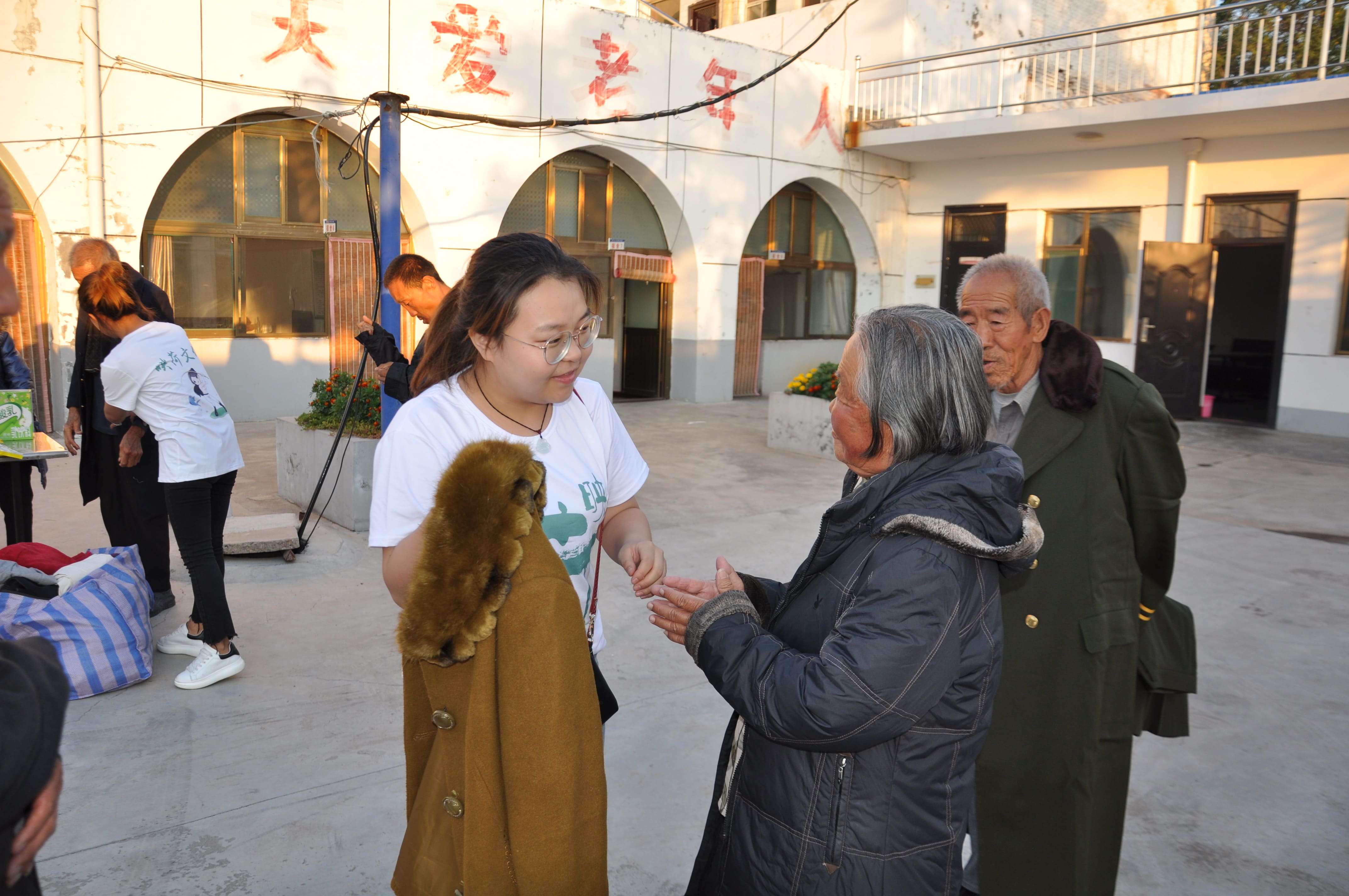
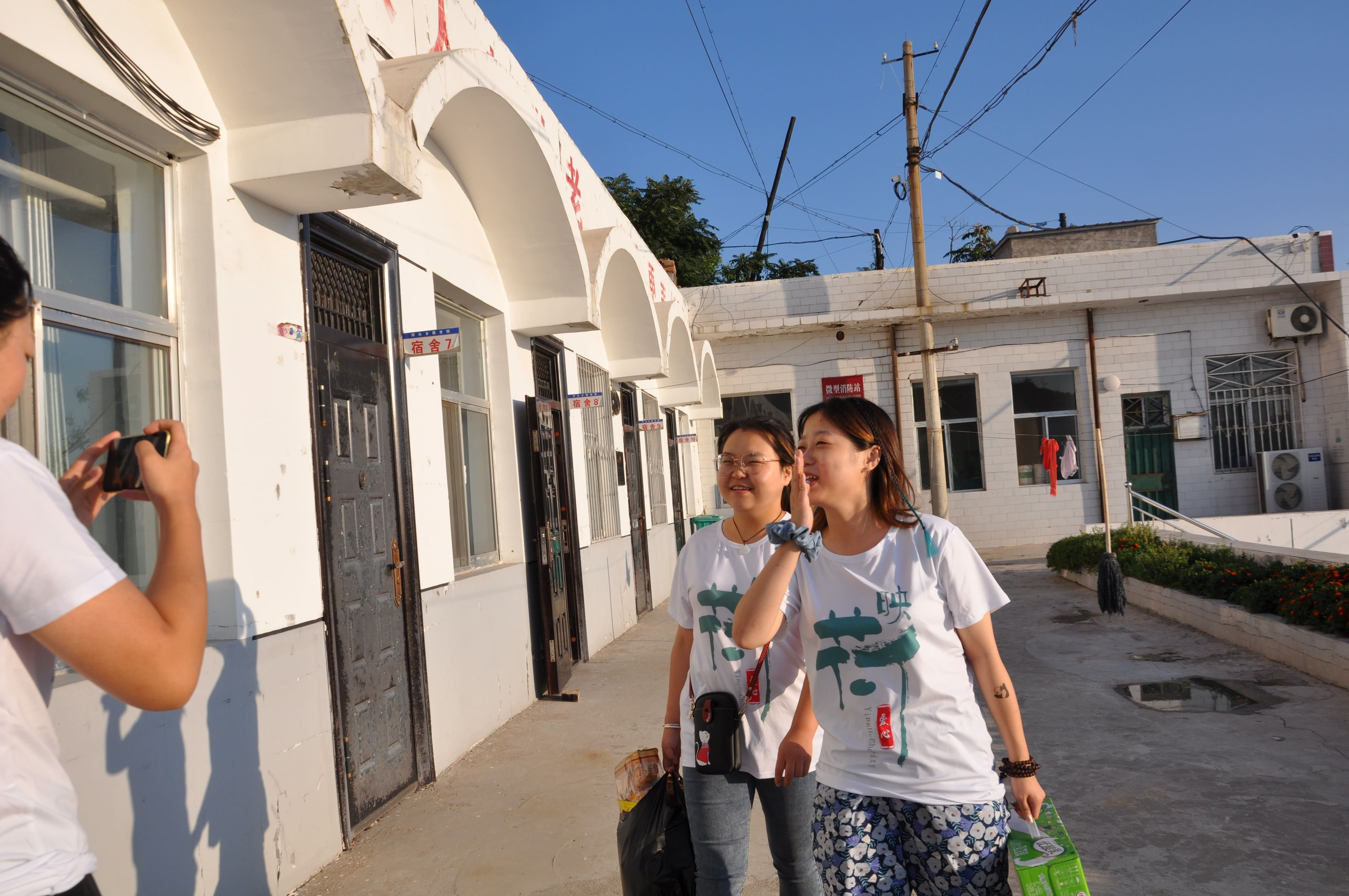
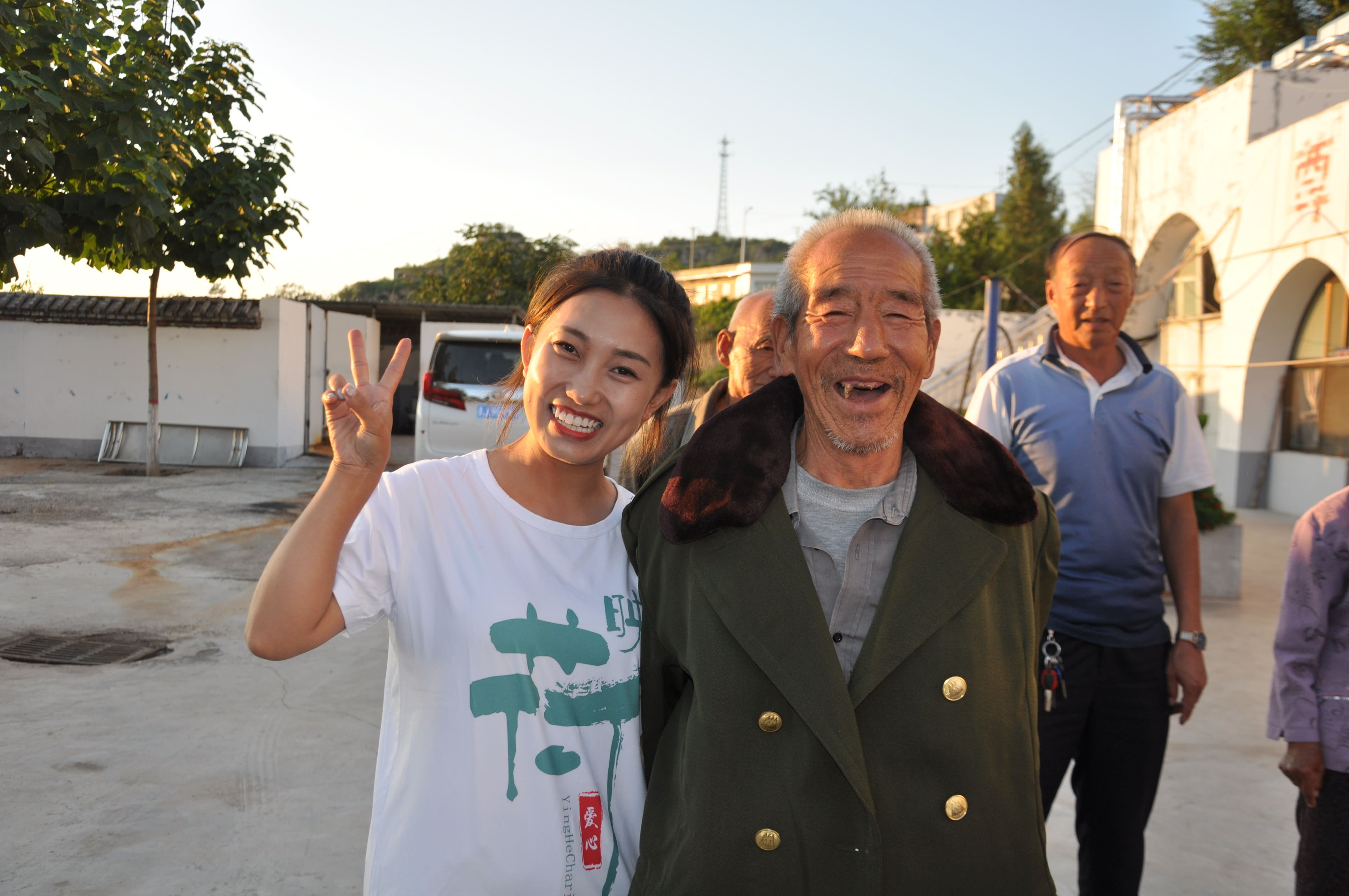

Then came the most important part: Shengmei Nursing Home, the largest elderly home in Lüliang.
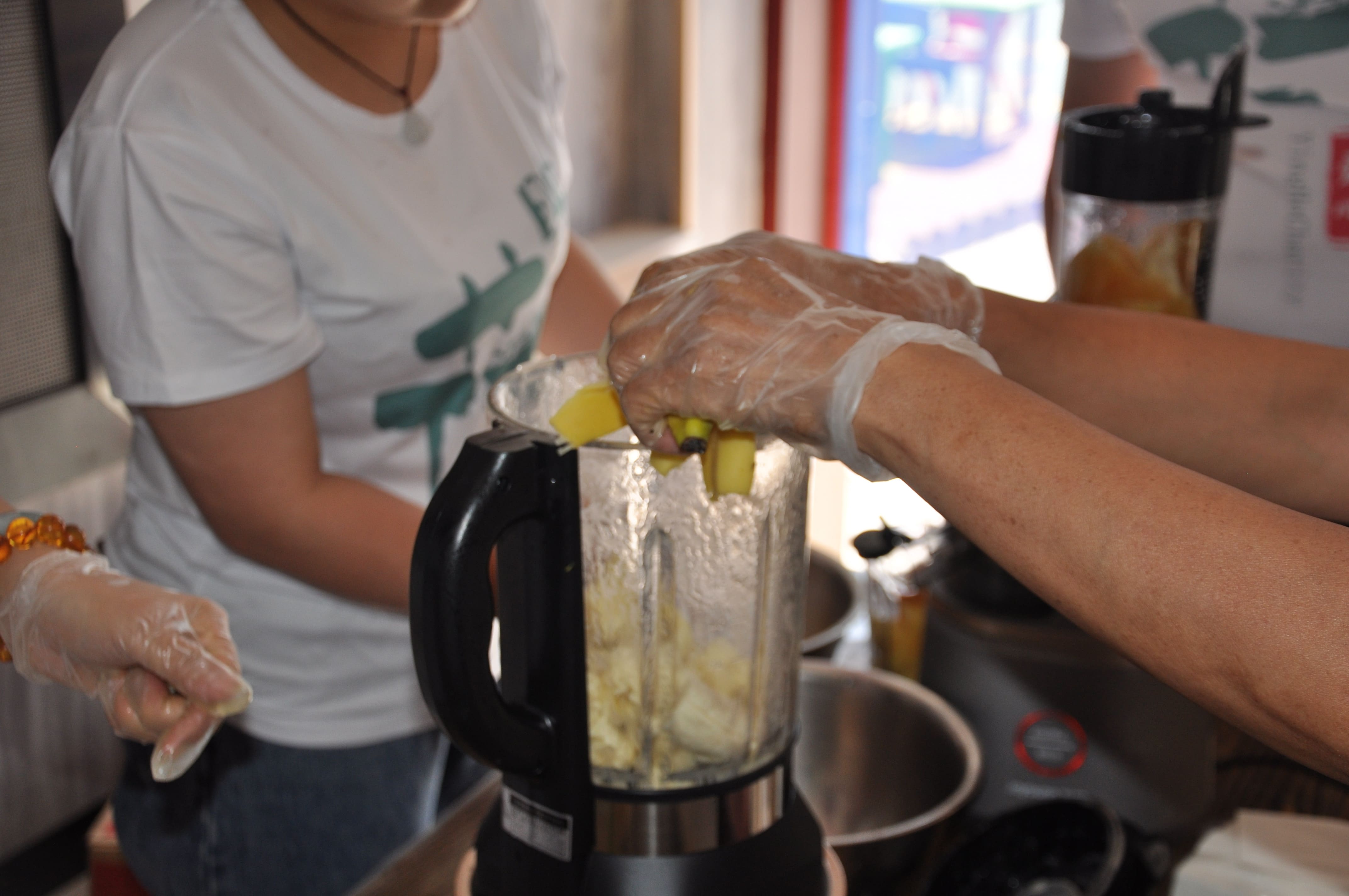
Sunny brought boxes of fruit and used blenders to turn them into soft fruit purée—a solution for elderly residents who struggled to chew. She also prepared fresh juice for those who preferred drinking.
Throughout the day, she and volunteers served fruit, chatted with residents, and created a warm, joyful atmosphere.
Blind massage therapists also came to offer free massages, forming a small circle of mutual support among marginalized groups.
For many residents, it became a memorable day of care, dignity, and human connection.
This secondhand charity project was never just about clothes.
It represented:
Some people didn’t understand it.
Some joked she should sell her expensive bags instead.
It didn’t matter.
Sunny saw something deeper:
that the heart of charity is not scale, but sincerity.
And even in a small city, meaningful ideas can take root.
Years later, as InHe China formed, this project remained its moral foundation—
proof that cultural exchange, social responsibility, and community warmth can coexist as one.
This is the spirit that continues to guide the brand today.





.svg)