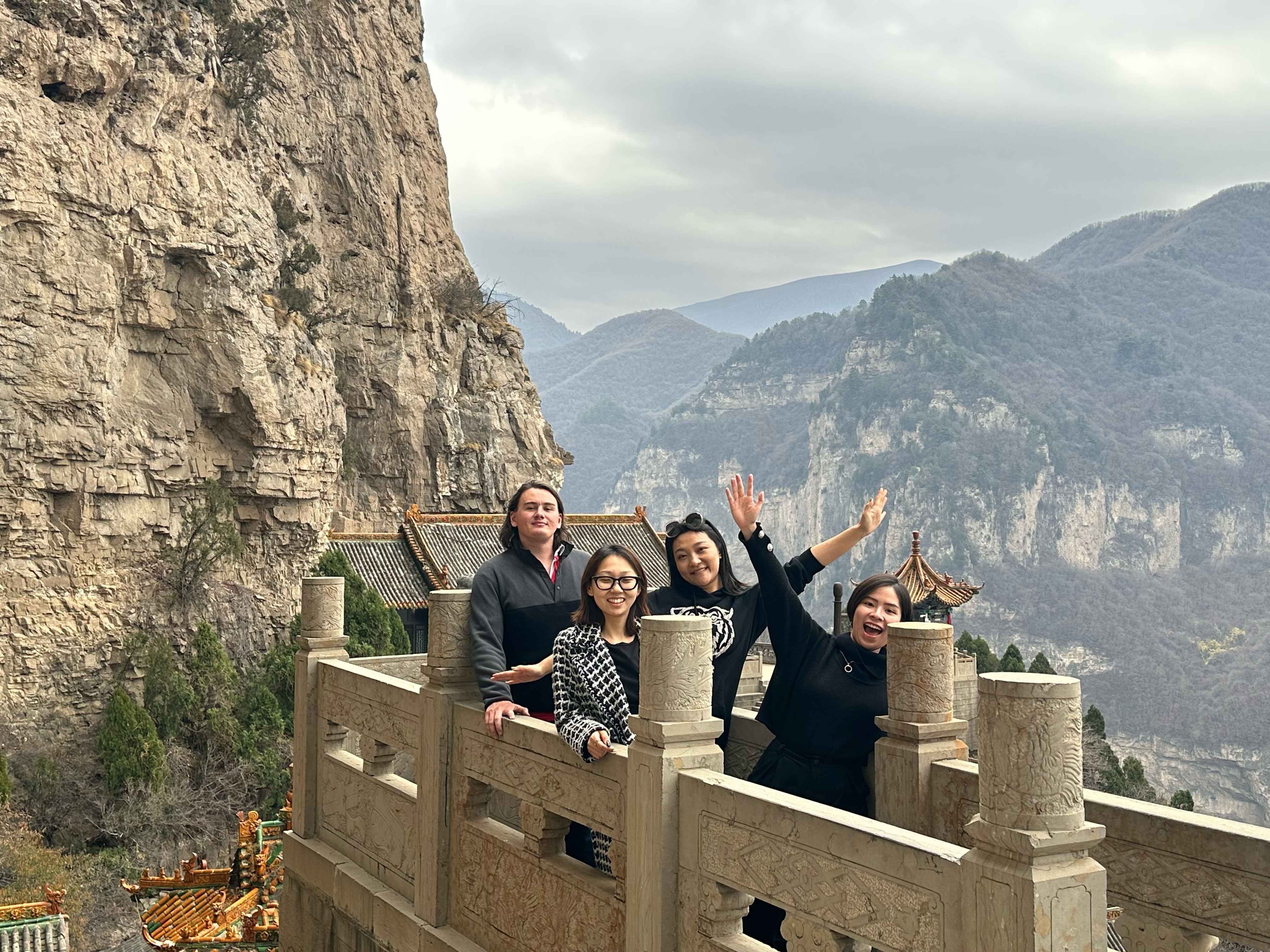
The journey began in Beijing, where we met a group of SOAS students who were on an exchange program at Beijing Normal University. Among them, two students were particularly interested in going beyond the usual tourist cities and seeing “the real China”. Together, we decided to turn this into a cultural experiment: instead of a standard tour, they would join a deeply local trip across two provinces, focusing on everyday life, history, and lesser-known cultural landscapes. This was not just a reunion with juniors from my alma mater, but the start of a new way of travelling—one that aligns with InHe China’s vision of meaningful cultural exchange.
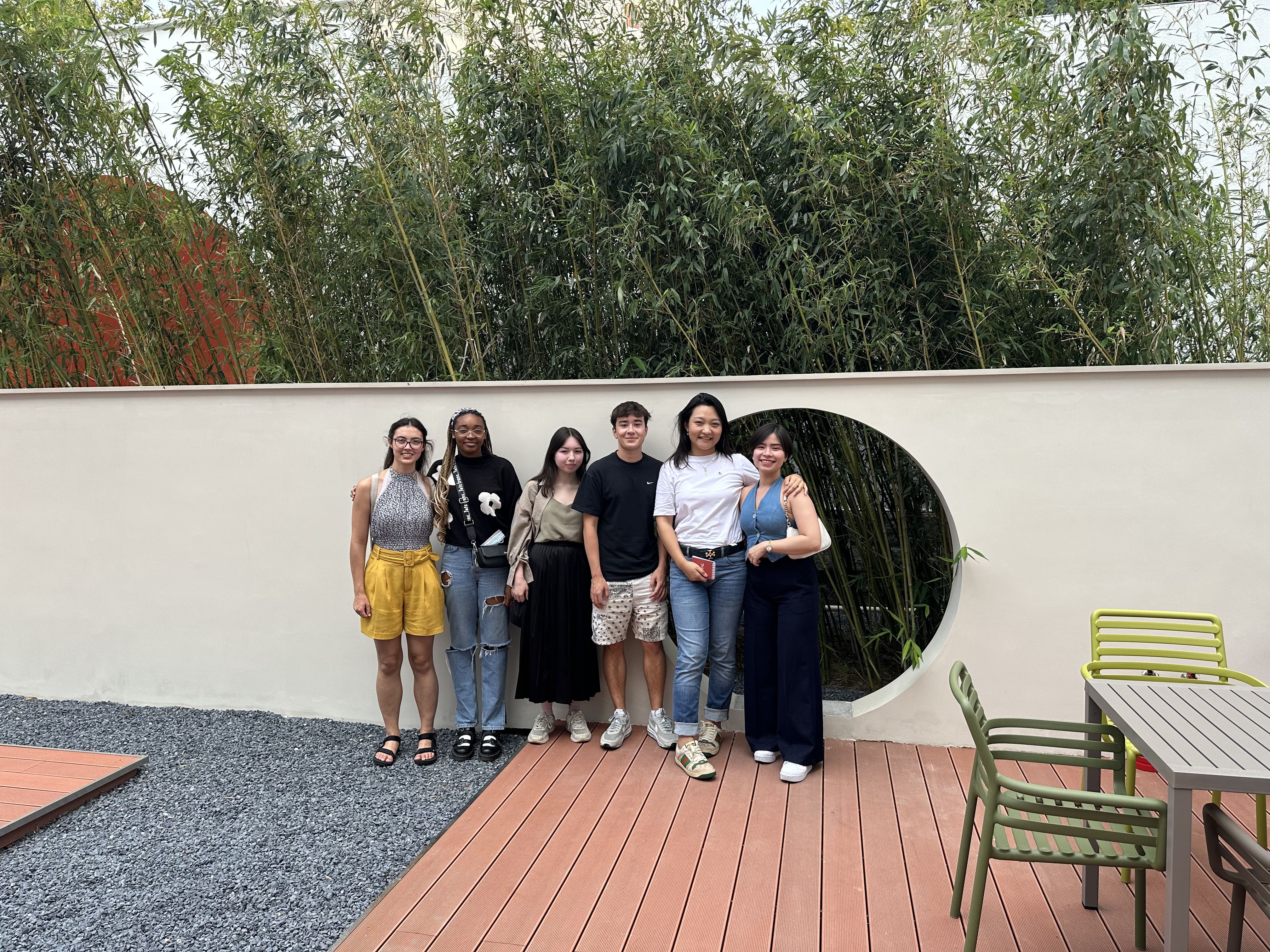
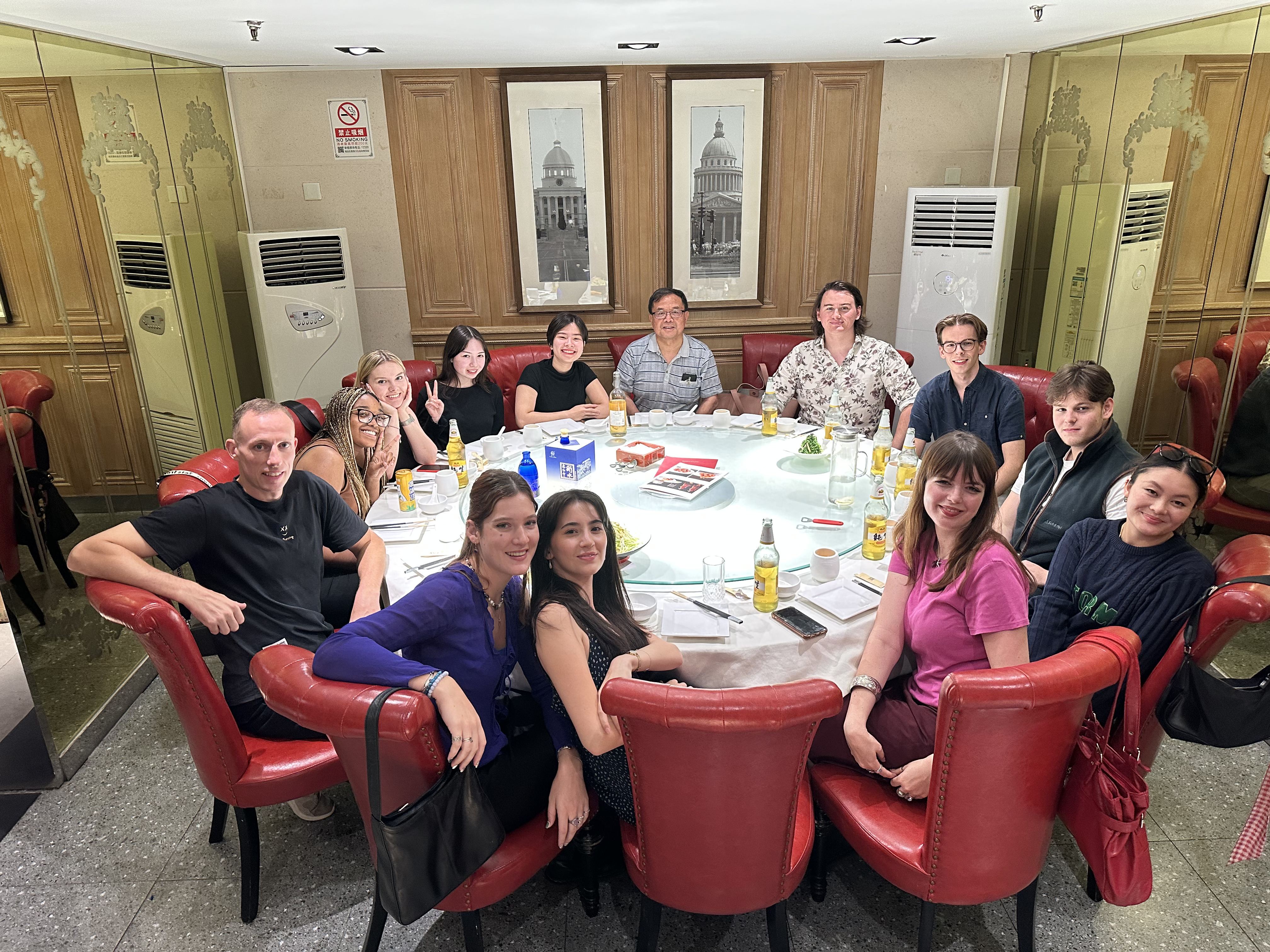
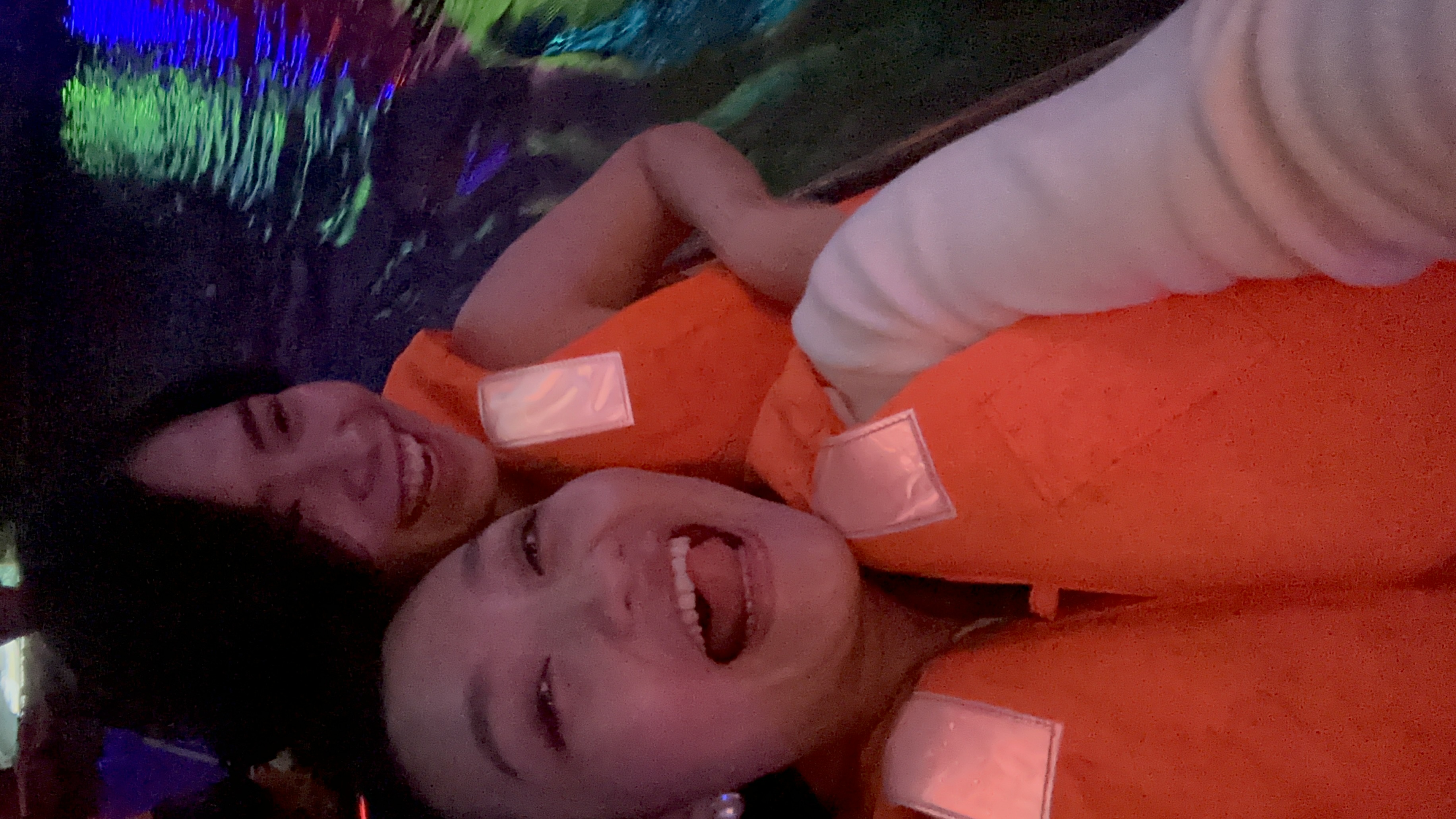
Our first stop was Guiyang, where the focus was on local life rather than checklist sightseeing. We joined a locally hosted gathering, tasted regional food, visited a distillery-style venue, and explored several nearby scenic spots that reflect the rhythm of everyday Guizhou life. Instead of being guided through a perfectly packaged route, the students were invited into conversations, small surprises, and spontaneous encounters. They saw how people relax after work, how families gather, and how local traditions quietly shape modern city life. It was less about “seeing famous places” and more about understanding how people in Guiyang actually live.
Authenticity begins when ordinary tourism fades, and we gently step into the living rhythms of real culture.
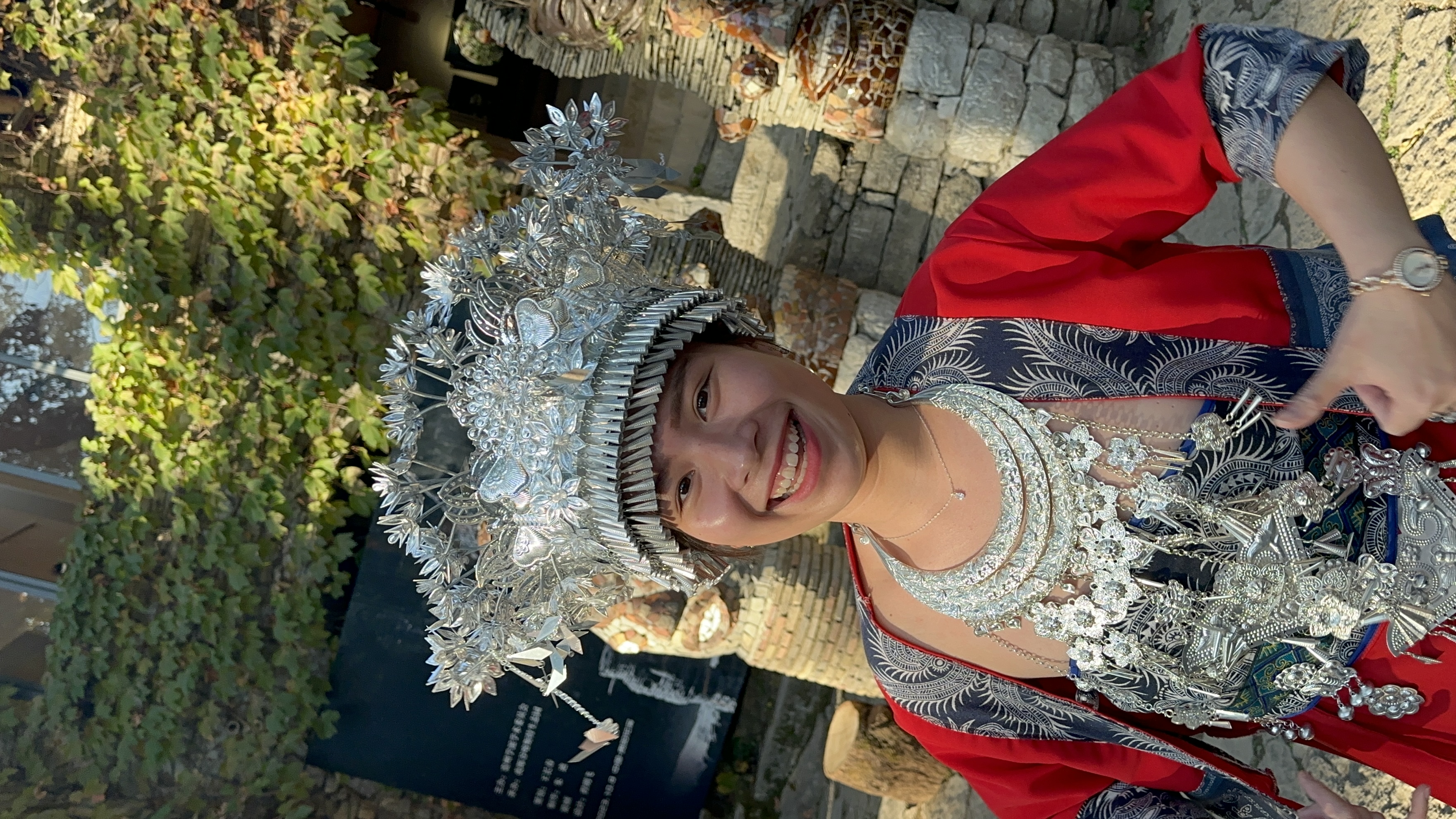

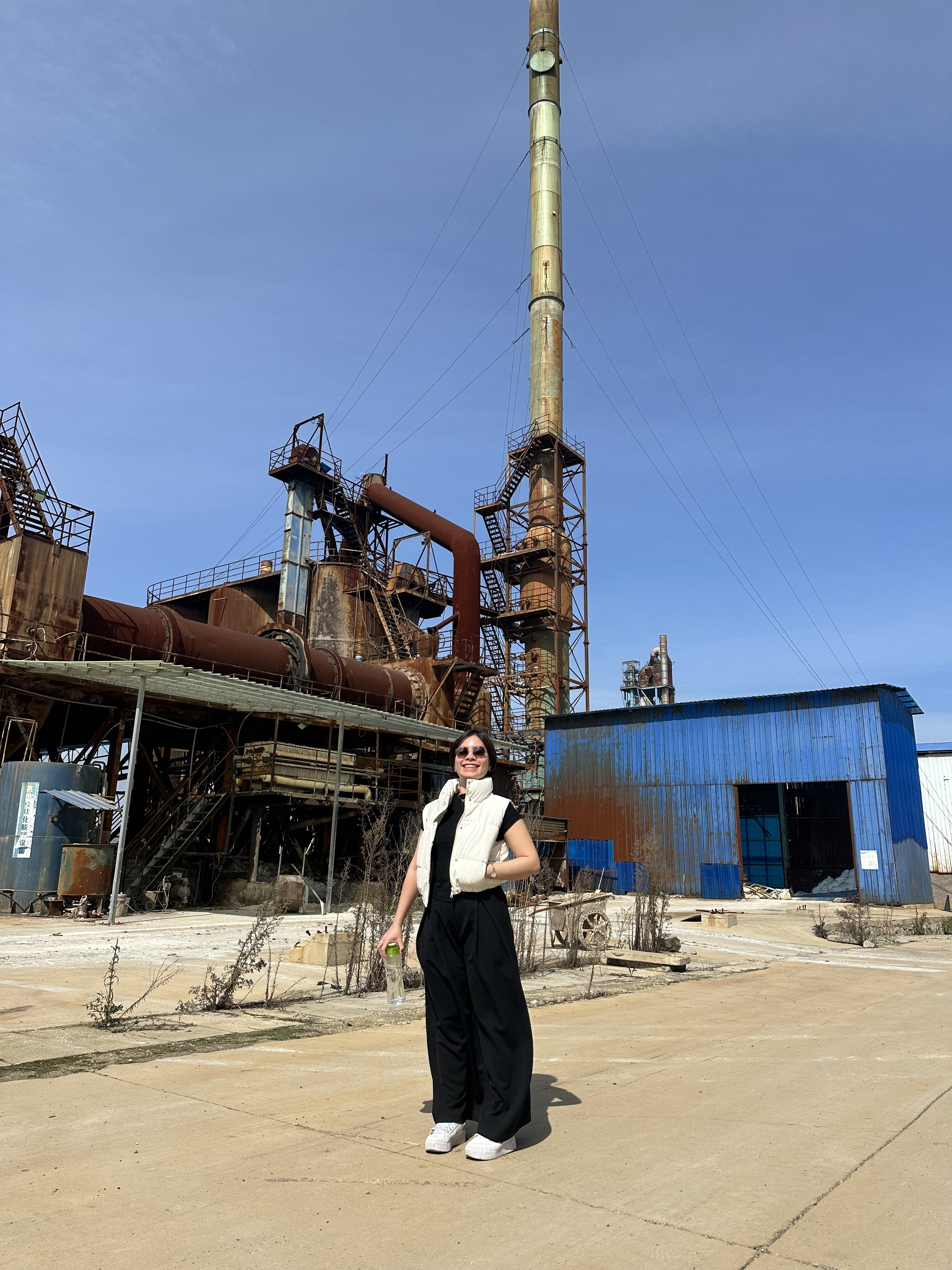
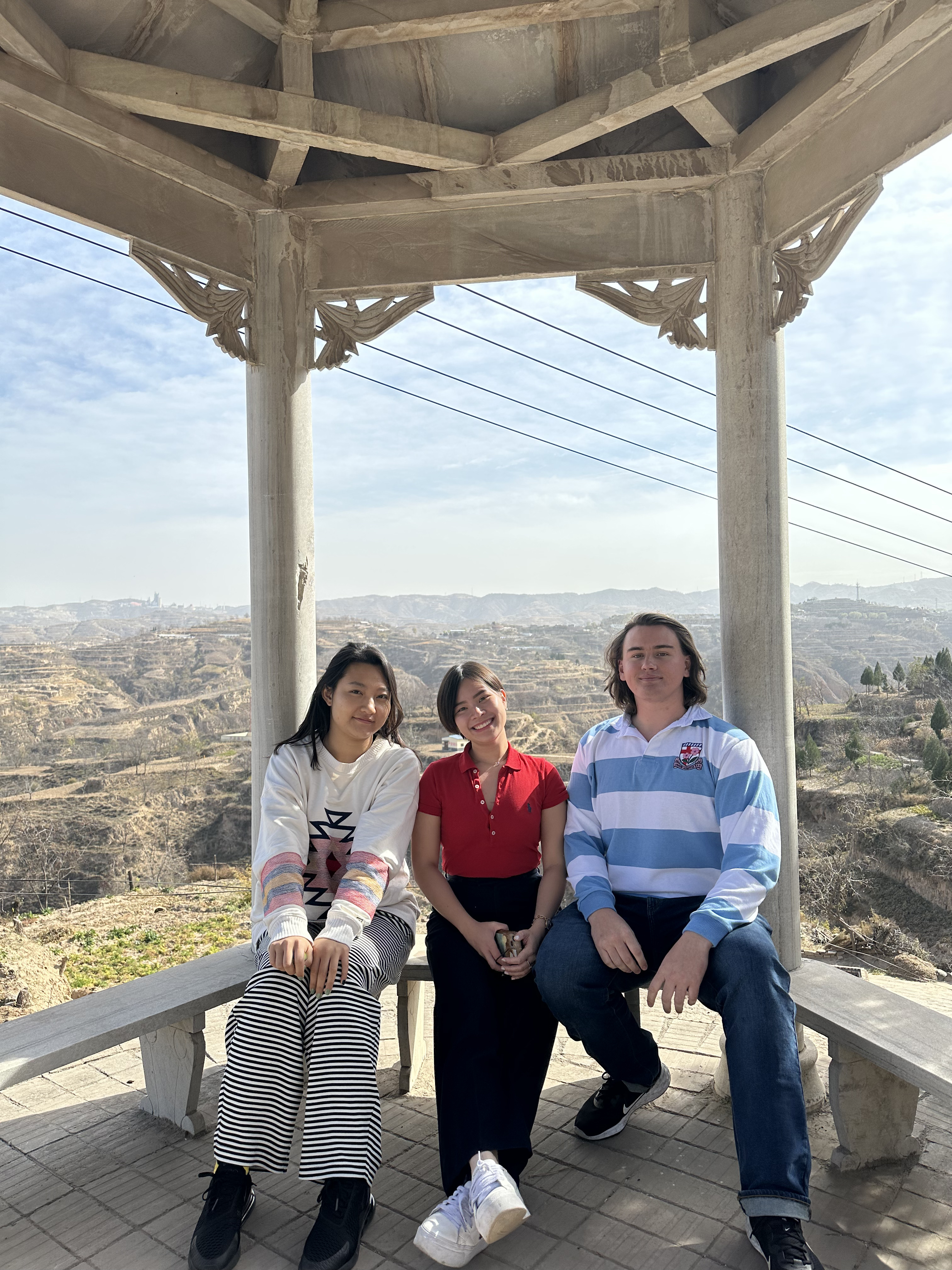
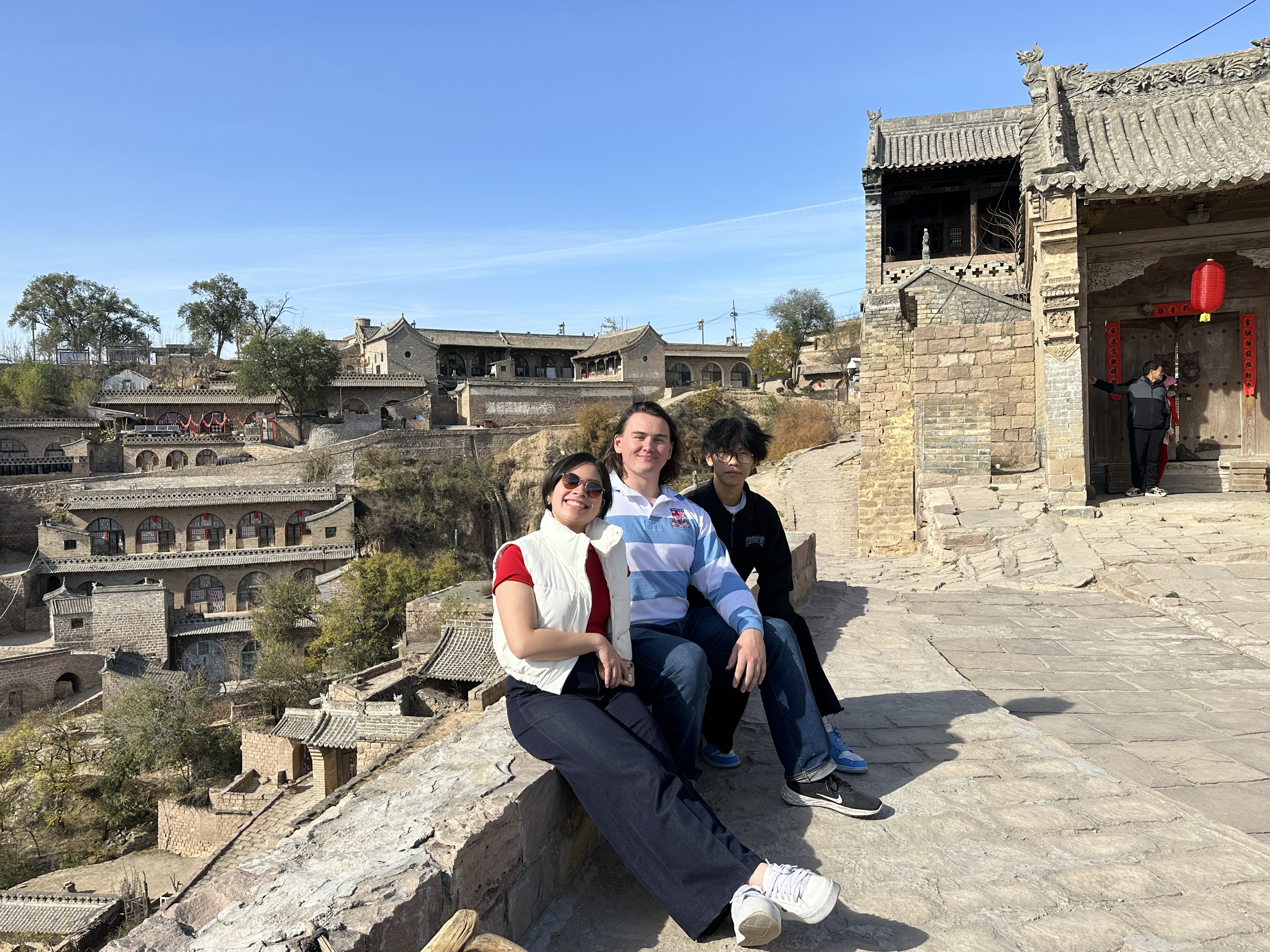
From the humid greenery of Guizhou, we moved north to Shanxi—often described as a living museum of China’s above-ground civilization. In Lüliang, we visited Lijia Village, a representative cave-dwelling village where traditional yaodong architecture is built directly into the hillside. Walking through the courtyards and tunnels, the students could sense how geography, climate, and history shaped a very specific way of living.
We then continued to Mianshan, one of China’s largest Daoist temple complexes, built dramatically into the mountain. The towering cliffside temples, incense-filled courtyards, and layered architecture offered a powerful contrast to both modern Beijing and urban Guiyang. Finally, we visited Wang Family Courtyard, one of Shanxi’s most famous fortified compounds, often called a classic example of Shanxi merchant culture. The students were able to connect stories of trade, family, belief, and architecture into a clearer understanding of how “five thousand years of civilization” lives on in real spaces.
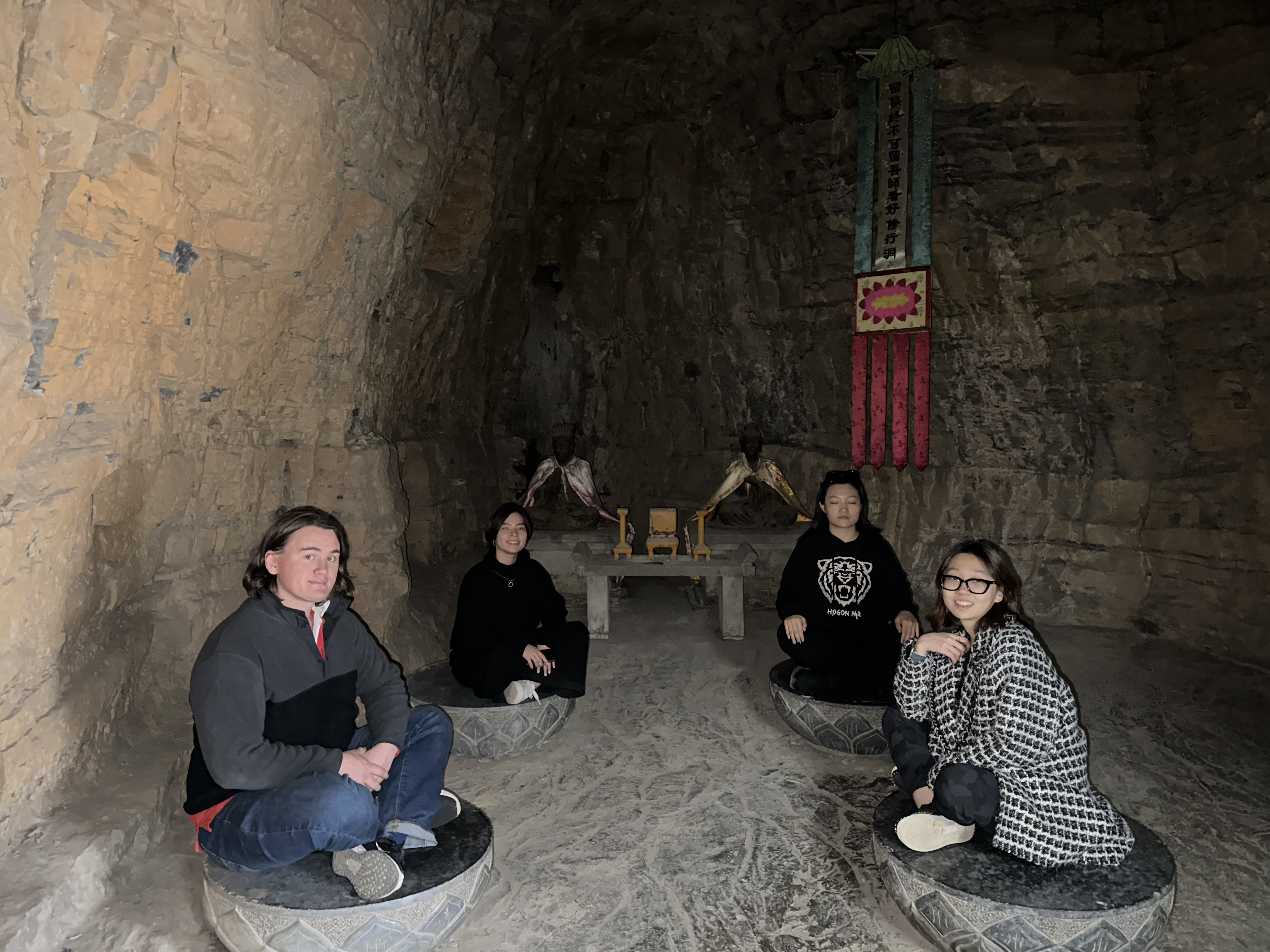
This trip was intentionally designed as a small-scale test: would students enjoy this kind of deep, locally rooted cultural journey, far away from the usual big-city routes? The answer, from their reactions, curiosity, and reflections, was a clear yes. Travelling through Guiyang and Shanxi gave them a chance to see a side of China that is rarely shown in brochures—intimate, layered, sometimes rough around the edges, but deeply alive.
For InHe China, this journey reaffirmed our direction: to focus on niche destinations, authentic local experiences, and slower, more thoughtful ways of travelling. Not just taking people to China, but helping them truly meet China—through its smaller towns, its villages, its temples, and its everyday lives.





.svg)