
.svg)
9-Day Tibet-Sacred Stillness Yoga Retreat
This quam quae perferendis harum amet dolorum possimus minus.
Occaecati magnam animi quasi dolor quae et aut.
Autem voluptas alias nobis in odit.
Discover
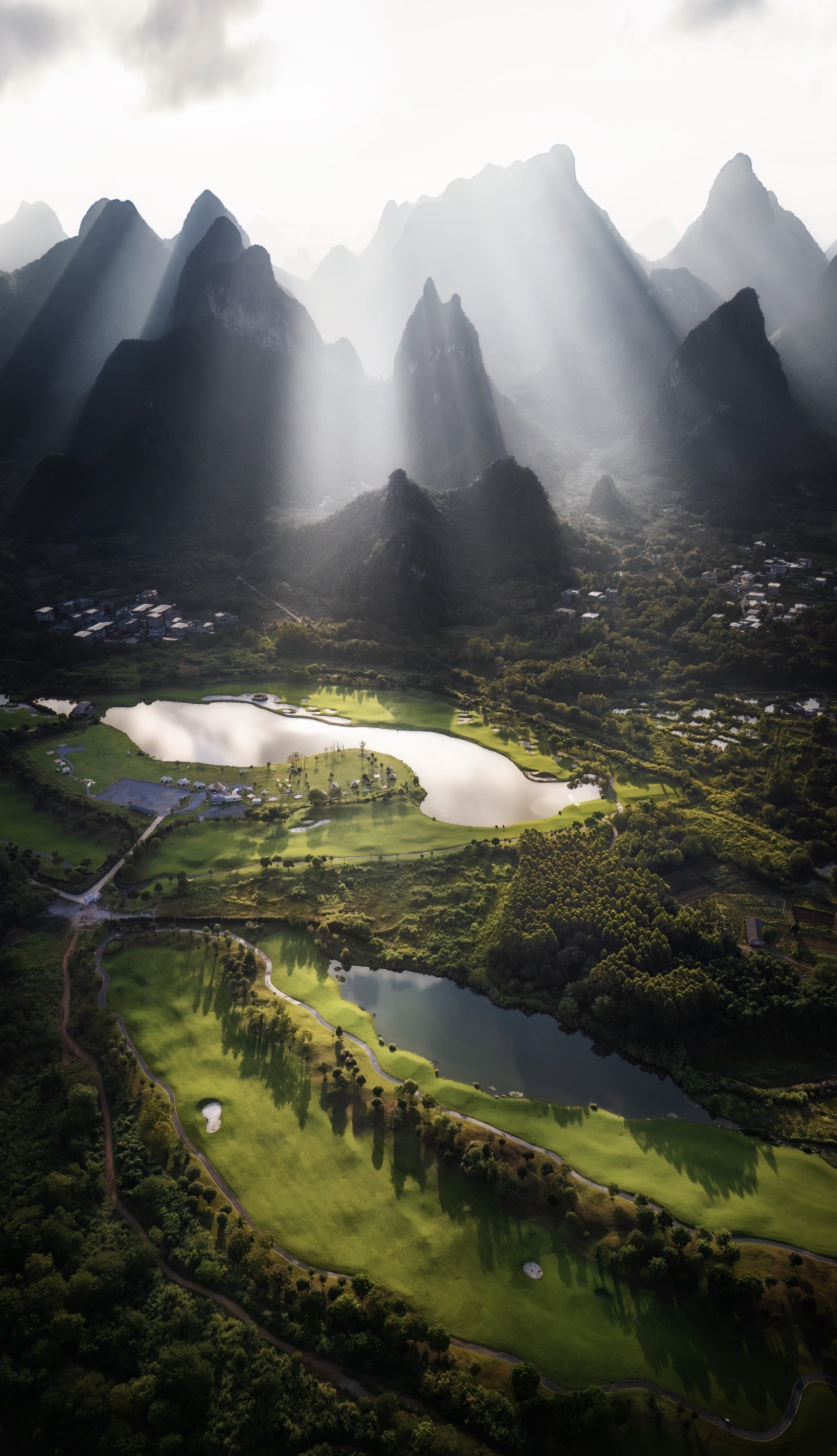
This route moves like a slow arc across China: from Shanghai’s waterfront towers and old quarters to Guilin’s river valleys, through Yunnan’s minority towns and highland lakes, then on to pandas in Chengdu, buried armies in Xi’an, and finally palaces and Great Wall ridges in Beijing. You’re not just ticking boxes—you’re stepping into old trading streets, village kitchens, mountaintop temples, and city parks where daily life happens in the open.
Meet your guide at the airport and transfer by private car to your hotel. Settle in, rest, or take a short walk to feel the city’s rhythm.
Explore Yu Garden and the surrounding old quarter, where narrow lanes and traditional shops sit beside teahouses. Continue to a modern skyscraper such as Shanghai World Financial Center for a bird’s-eye view over the city, then finish the day on the Bund, the famous riverfront promenade with historic facades on one side and the Pudong skyline on the other.
Fly from Shanghai to Guilin in the morning. Your local guide takes you straight to Daxu Old Town, once a thriving river port, where old houses, cobbled streets, and a local market still show its quieter side today. Return to Guilin to visit Elephant Trunk Hill, the city’s limestone symbol shaped like an elephant drinking from the Li River.
Board a comfortable Li River boat for one of China’s most famous river journeys. Watch karst peaks, bamboo groves, and village life drift past, including the scene printed on the 20-yuan banknote. On arrival, stroll Yangshuo’s West Street with its mix of cafés, shops, and bars before heading to your hotel.
Spend the morning in the countryside around Yangshuo: visit an elderly farming couple in their traditional home, pass an old ferry point on the Li River, and ride local transport to a village market in Fuli when it’s active. In the afternoon, take a high-speed train to Kunming and transfer to your hotel.
Drive out to the Stone Forest, a landscape of tall limestone pillars and formations shaped by ancient seas and erosion, home to the Sani people and their traditions. Return to Kunming to visit Yuantong Temple, the city’s largest and oldest Buddhist temple, where you can see how different Buddhist traditions share one complex.
Take a bullet train to Dali. Visit Xizhou Village to see Bai minority courtyard houses, traditional dress, and daily life. Then cruise on Erhai Lake, enjoying the open water, small islands, and distant mountain views before returning to your hotel.
Drive from Dali to Lijiang. After lunch, explore Lijiang Old Town with its cobblestone alleys, streams, and Naxi-style wooden houses. Climb Lion Hill for a roofline panorama, then visit Black Dragon Pool Park, where Jade Dragon Snow Mountain often appears perfectly reflected in the water.
Ride the cable car up Jade Dragon Snow Mountain, the holy mountain of the Naxi people. Walk among spruces and meadows at high altitude, taking in the views of peaks and clouds. For lunch, try making your own Naxi baba (Naxi pancake). Later, visit a Dongba shaman in Baisha Village to learn about Naxi pictographic writing and music.
Travel north toward Shangri-La, stopping at Tiger Leaping Gorge, where the Jinsha (upper Yangtze) River squeezes through a narrow canyon. Walk viewpoints to feel the speed and force of the water, then continue by road to Shangri-La. At 3,200 meters, this is your time to rest and adjust to the altitude.
Visit Songzanlin Monastery, Yunnan’s largest Tibetan Buddhist monastery, with architecture influenced by the Potala Palace and halls filled with statues and thangkas. Meet a lama in his living quarters to talk about daily life and practice. In the afternoon, explore Pudacuo National Park, a highland reserve of lakes, forests, and grazing land. In the evening, fly to Chengdu and transfer to your hotel.
Breathe in Chengdu’s relaxed pace at People’s Park: see locals dancing, playing mahjong, arranging blind-date notices at the matchmakers’ corner, and enjoying ear cleaning and tea. In the afternoon, join a Sichuan chef in the kitchen to cook three classic dishes, learn the basics of sauces and spices, and invent your own recipe before sharing the meal.
Visit the Chengdu Research Base of Giant Panda Breeding in the morning, when pandas are typically most active, and see red pandas as well. After lunch, go backstage at a Sichuan opera theatre to watch the actors apply makeup and prepare costumes, with time to chat. In the late afternoon or evening, board a high-speed train to Xi’an.
Spend the morning at the Terracotta Army Museum, exploring the excavated pits and learning about Qin-era military power and burial customs. Then visit a local craftsman in a cave dwelling to see how terracotta figures are made and shape a mini warrior yourself. On the way back, visit Xi’an’s city wall and walk or cycle along the top.
Visit Small Wild Goose Pagoda and the adjacent Xi’an Museum, where the combination of pagoda, old temple buildings, and modern exhibition hall reflects the city’s long history. After lunch, take a high-speed train to Beijing and transfer to your hotel.
Visit Tian’anmen Square, then head north into the Forbidden City to see major halls and quieter courtyards that reveal how emperors actually lived and ruled. In the afternoon, explore the Summer Palace, following lakeside paths, the long painted corridor, and pavilions with views over Kunming Lake.
Drive to the Mutianyu section of the Great Wall, known for its sweeping mountain views and fewer crowds. Take a cable car up, walk along the battlements, and choose between cable car or toboggan to descend. After lunch, return to the city to visit the Temple of Heaven, where emperors once prayed for harvests and today’s locals sing, dance, and play games in the park.
Your guide and driver pick you up at your hotel and take you to the airport, helping with check-in before saying goodbye.
Enjoy comfortable, well-located hotels throughout the itinerary, usually in the 4-star or boutique 4–5 star range unless you prefer another level. In Yunnan and older towns (like Lijiang or Shangri-La), characterful local-style properties may be chosen to match the setting. All rooms include private bathrooms and standard modern amenities; upgrades and special room types can be arranged on request.
Breakfast is provided daily at your hotels. Most days include lunches at handpicked local restaurants, giving you a taste of Shanghai flavors, Guangxi countryside dishes, Yunnan specialties, fiery Sichuan cuisine, and northern classics in Xi’an and Beijing. Some dinners are left free so you can explore night markets, cafés, and restaurants according to your taste. Common dietary needs (vegetarian, halal, gluten-free, etc.) can usually be accommodated with advance notice.



.svg)