
.svg)
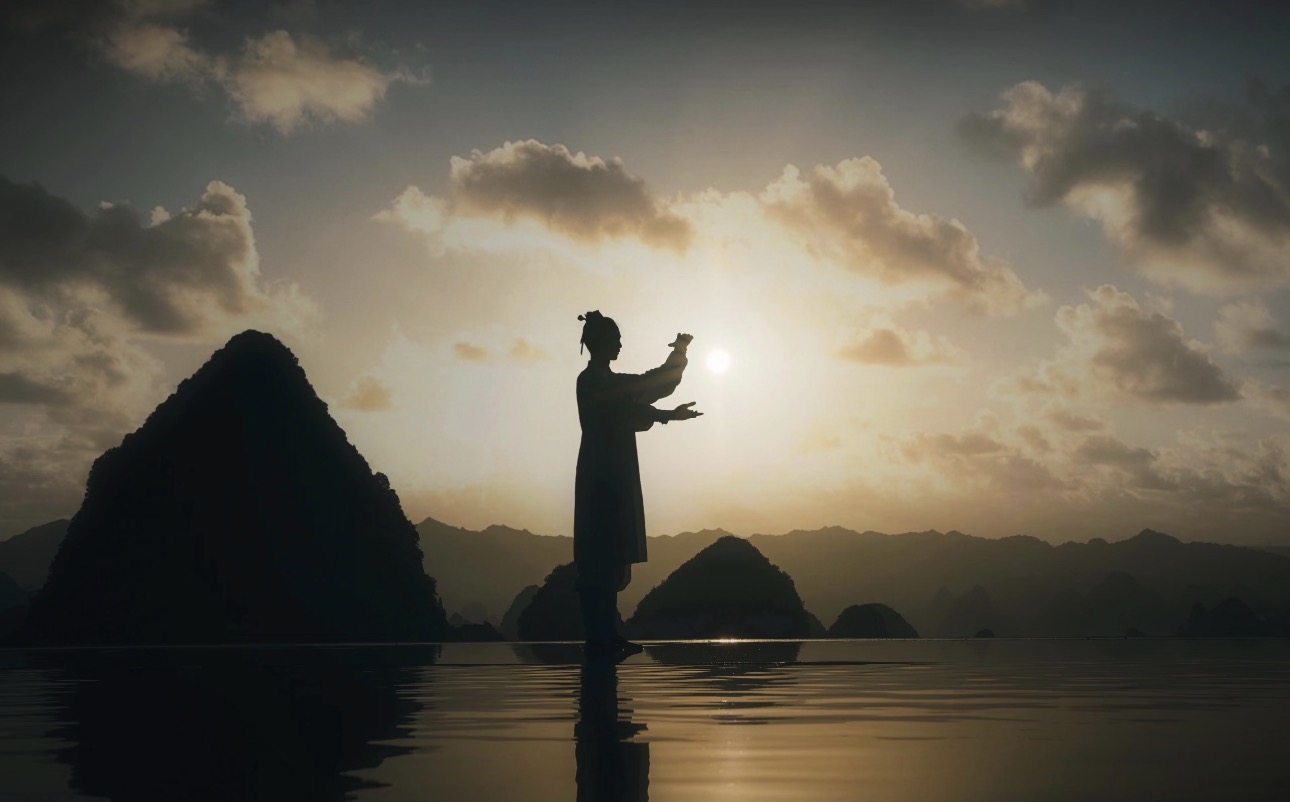
9-Day Tibet-Sacred Stillness Yoga Retreat
This quam quae perferendis harum amet dolorum possimus minus.
Occaecati magnam animi quasi dolor quae et aut.
Autem voluptas alias nobis in odit.
Discover
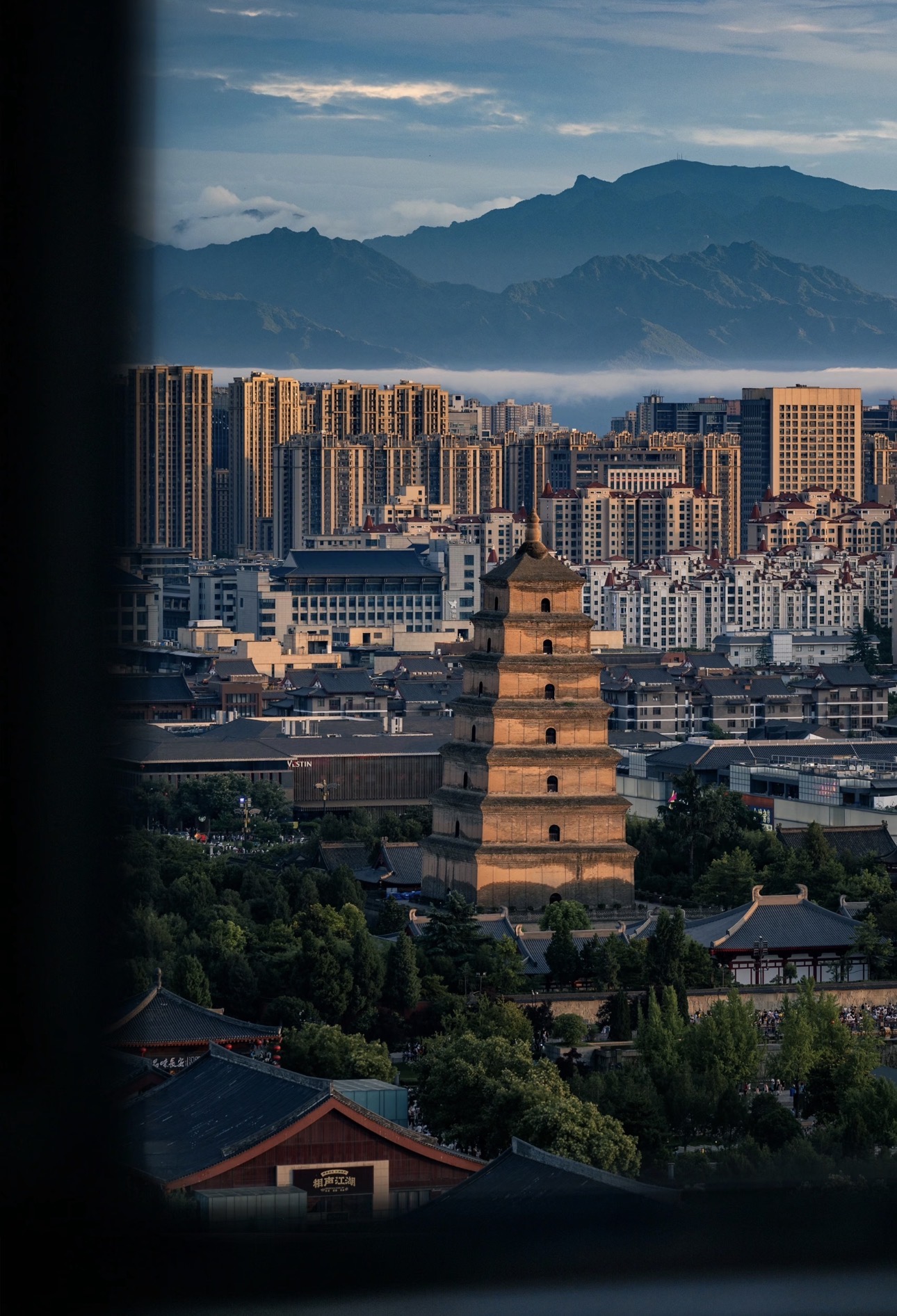
This three-week journey takes you from Beijing’s palace courtyards and Great Wall ridges to Xi’an’s buried armies, the monasteries and sacred lakes of Tibet, Chengdu’s bamboo valleys and giant pandas, the sandstone pillars of Zhangjiajie, Guilin’s rice terraces and river villages, and finally the glittering skyline of Shanghai. The pace is designed so you’re not just collecting stamps but actually absorbing each shift in landscape, culture, and rhythm.
Arrive in Beijing, meet your private guide and driver at the airport, and transfer to your hotel. The rest of the day is free to rest or take a gentle walk nearby.
Start at Tian’anmen Square, then enter the Forbidden City with a curated route that mixes the main halls and some quieter courtyards. After lunch, visit the Temple of Heaven, stepping into the historic altar and watching locals practice tai chi, cards, and dancing in the surrounding park.
Head out to the Mutianyu section of the Great Wall. Take a cable car or chair lift up, walk along the ramparts between watchtowers, and, if you like, toboggan back down. Return to the city to stroll through the Summer Palace’s lakeside paths, pavilions, and long painted corridor.
Ride a high-speed train from Beijing to Xi’an. In the afternoon or evening, explore the Muslim Quarter’s lanes with your guide, sampling local snacks and stepping into the Great Mosque, a calm courtyard complex behind the busy streets.
Spend the day at the Terracotta Army, visiting several pits and hearing how they were made, buried, and rediscovered. Later, ascend Xi’an’s ancient city wall to walk or cycle along the top, looking down over the old city and modern streets.
Fly from Xi’an to Lhasa. Your local Tibetan guide meets you at the airport, helps you check into your hotel, and leaves the rest of the day free for gentle acclimatization to the altitude.
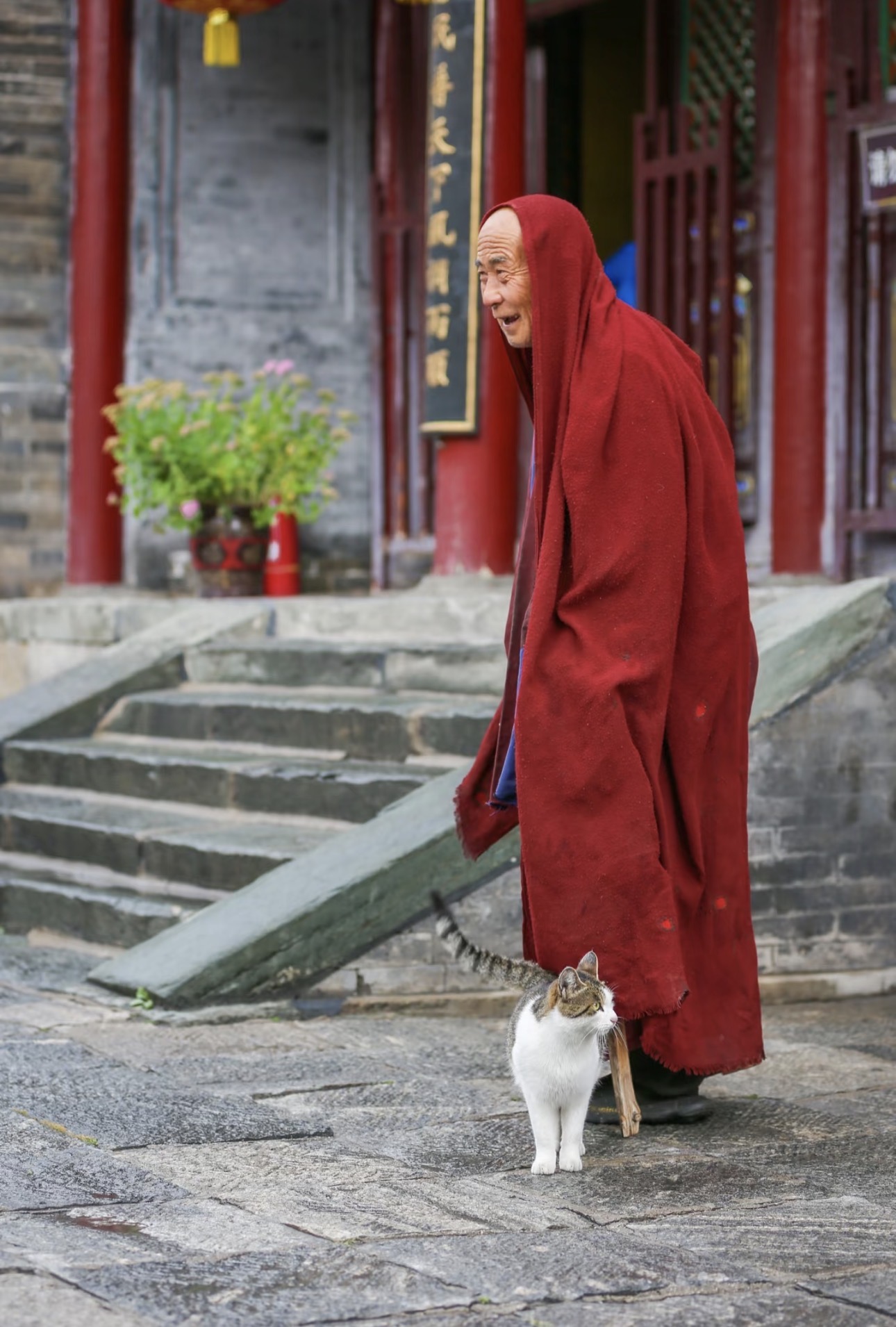
Begin at Norbulingka, the former summer residence of the Dalai Lama, with its gardens and palaces. Continue to Drepung Monastery, once one of Tibet’s largest monastic universities, and then to Sera Monastery, where you can watch monks engage in their lively debating practice in the courtyard.
Visit Potala Palace, climbing through chapels and halls filled with statues, murals, and butter lamps. Later, step into Jokhang Temple, considered one of Tibet’s most sacred sites, then follow the Barkhor kora route with pilgrims circling clockwise, spinning prayer wheels and stopping at shrines.
Drive out to Yamdrok Lake, a turquoise, high-altitude lake ringed by snow-tipped mountains and grasslands. Spend unhurried time by the shore, with a simple picnic if weather allows, before returning to Lhasa in the late afternoon.
Fly from Lhasa to Chengdu. Your guide meets you at the airport and escorts you to your hotel, with the rest of the day at leisure.
Visit a giant panda research base in the morning, when the pandas are usually most active, watching them eat, climb, and play. In the afternoon, relax in a city park, sipping tea as locals play mahjong, practice calligraphy, dance, and chat.
Drive to Leshan to see the Giant Buddha carved into a riverside cliff. View it from a short cruise on the river and from walkways cut into the rock. Sample some of Leshan’s famous spicy snacks or dishes before returning to Chengdu.
Fly from Chengdu to Zhangjiajie. On arrival, ride the long cableway up Tianmen Mountain, walk along cliff paths, step onto a glass skywalk if you wish, and look through the huge natural arch of Tianmen Cave. Descend and transfer to your hotel.
Spend the day in Zhangjiajie National Forest Park. See the pillar landscapes of Yuanjiajie, including the peak associated with the “Hallelujah Mountains”, and continue to Tianzi Mountain for wide views over the stone forests. Use the Bailong Elevator and cable cars to reduce hiking where needed.
Walk across the glass bridge spanning Zhangjiajie Grand Canyon, looking down into the gorge. Then visit Baofeng Lake for a short boat ride among steep cliffs and green hills. Later, transfer to the station for a high-speed train to Guilin.
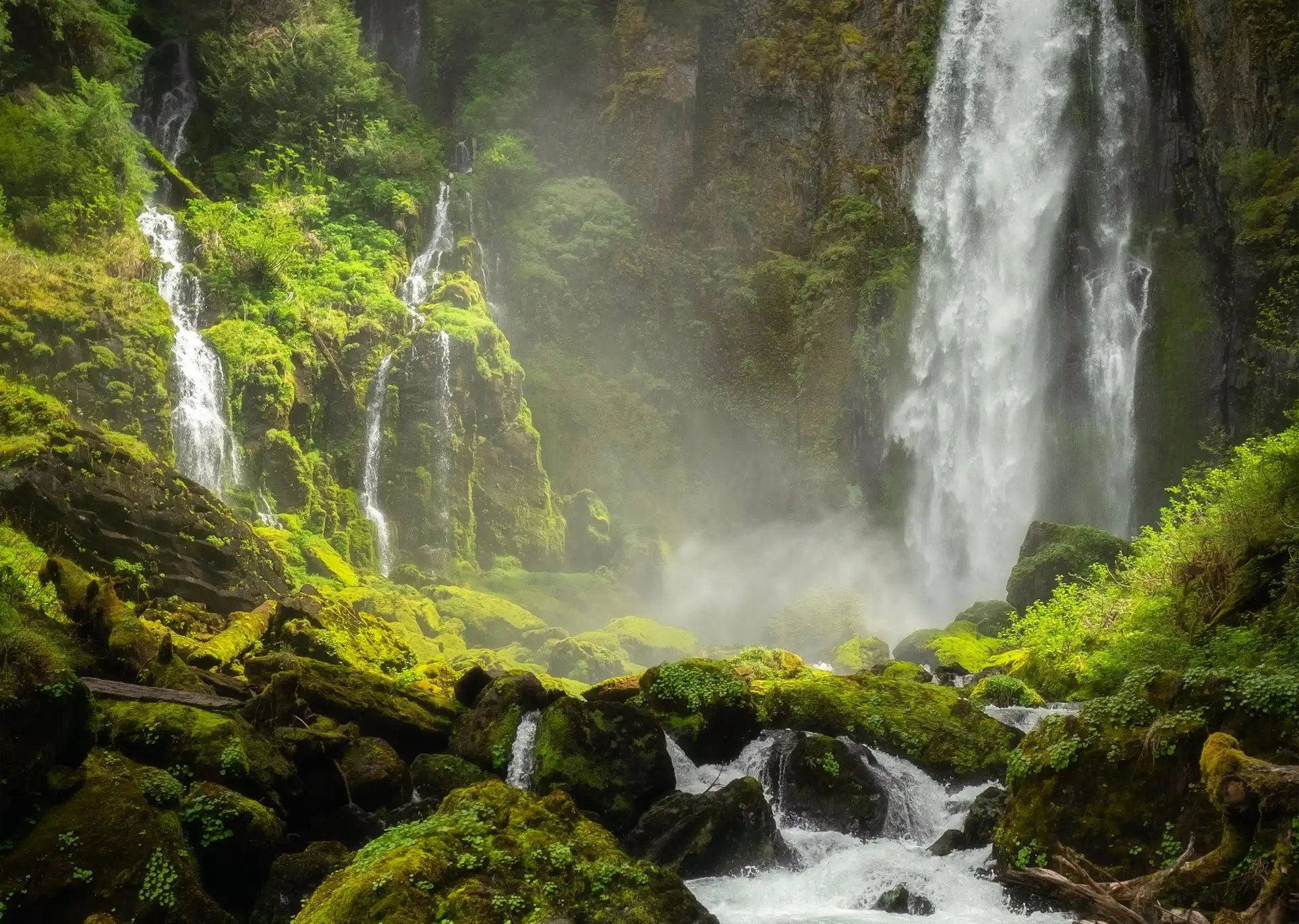
Visit Reed Flute Cave, with dramatic stalactites and colored lighting accentuating the formations. Continue by road to Longji, where terraced rice fields climb the hillsides around minority villages. Stay overnight near the terraces.
Hike among the rice terraces around a Zhuang or Yao village, seeing how the fields curve around the slopes and how village life fits the landscape. In the afternoon, return to Guilin city.
Cruise down the Li River to Yangshuo, floating past classic karst peaks, small villages, and bamboo groves that look like ink-wash paintings. On arrival, visit a nearby village to experience rural life—local markets, simple calligraphy or couplet writing, or just a walk through fields and lanes—before staying overnight in the Yangshuo area.
Enjoy a relaxed morning in the Yangshuo/Guilin area, then transfer to the airport or station for your journey to Shanghai. Your Shanghai guide meets you and takes you to your downtown hotel.
Explore Yu Garden, a classical Jiangnan garden of ponds, rockeries, and pavilions hidden among busy streets. Walk the Bund, hearing the stories behind its riverfront facades, then cross the Huangpu River and ascend a modern tower such as Shanghai Tower for sweeping views over the city.
Depending on your flight time, enjoy a final stroll or café stop before your guide and driver transfer you to the airport and help with departure formalities.
Stay in well-located hotels throughout, typically in the 4-star or boutique 4–5 star range unless you request another level. In Lhasa and smaller destinations, characterful local properties are chosen where possible, balanced with comfort and reliability. All rooms include private bathrooms and standard modern amenities. Upgrades, special room types, or distinctive hotel styles can be arranged on request.
Breakfast is provided daily at your hotels. Many days include lunches at selected local restaurants, allowing you to taste northern, Tibetan, Sichuan, Hunan, Guangxi, and Shanghai flavors along the way. Some evenings are left free for you to explore local food streets, teahouses, or more refined restaurants according to your interests. Most dietary needs—such as vegetarian, halal, or gluten-free—can usually be accommodated with advance notice.



.svg)