
.svg)
9-Day Tibet-Sacred Stillness Yoga Retreat
This quam quae perferendis harum amet dolorum possimus minus.
Occaecati magnam animi quasi dolor quae et aut.
Autem voluptas alias nobis in odit.
Discover
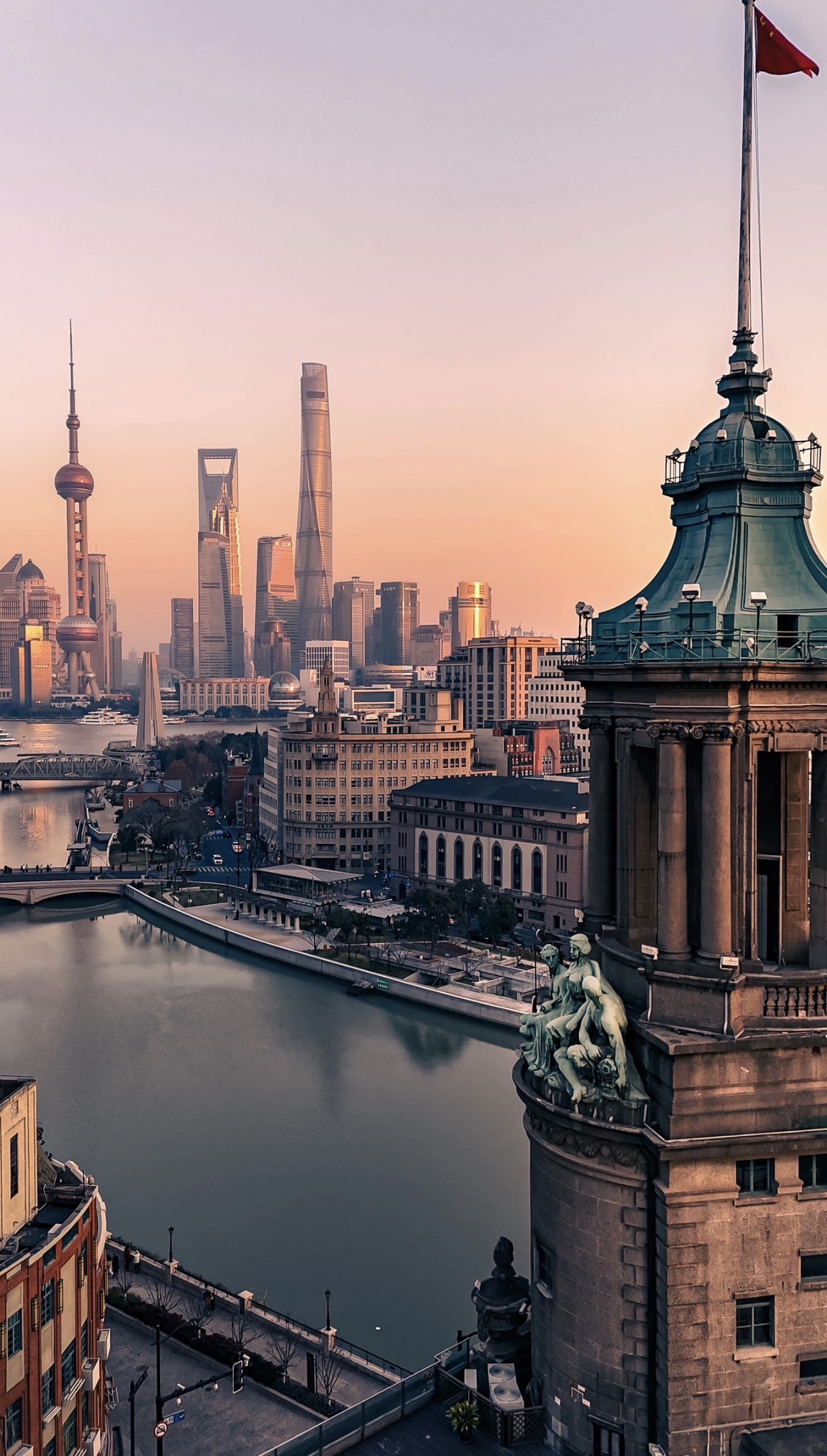
This three-week route links eastern water towns, misty mountains, and China’s most storied capitals. You move from Shanghai’s skyline and Suzhou’s classical gardens to Huangshan’s granite peaks and Hangzhou’s tea hills, then south to Guilin’s rice terraces and river valleys, on to Zhangjiajie’s sandstone pillars, and finally through Xi’an and Datong to the palaces and hutongs of Beijing. It’s designed as a single continuous story of landscape, history, and everyday life rather than a rush of disconnected check-ins.
Meet your private guide in the arrivals hall and transfer by private vehicle to your hotel. The rest of the day is for rest or a short walk to get used to the city.
Explore a classical garden in the old quarter, wandering between halls, ponds, and rockeries. Follow backstreets and small markets to see how traditional and modern life overlap. Later, head up a skyscraper in Pudong for a bird’s-eye view, then walk the Bund for river and skyline views in the evening.
Drive to Suzhou, long known for its scholar gardens and canals. Visit one of the city’s best-preserved classical gardens to see how pavilions, water, and stones are composed like a painting. Then continue to Tongli Ancient Town, where you take a short boat ride along narrow waterways under stone bridges and watch local life unfold along the banks, before returning to your hotel.
Take a high-speed train from Shanghai to Huangshan. On arrival, drive into the countryside to Hongcun, a centuries-old village set around ponds and narrow lanes, with traditional courtyard houses and ancestral halls. Walk through the alleys and along the water’s edge before checking in at your hotel in the area.
Ride a cable car up Yellow Mountain for a full day on the high trails. Depending on your energy, your guide can lead you on shorter or longer walks to viewpoints with contorted pine trees, steep cliffs, and depth views into Grand Canyons. Sunset or late-afternoon light on the peaks is often spectacular if the weather cooperates.
Wake early to watch sunrise from a viewpoint near your hotel if conditions allow. After breakfast, explore another part of the summit area such as Lion Peak or the North Sea panorama before descending by cable car. Travel on to Hangzhou by road or train and settle into your hotel near West Lake or the city center.
Spend the morning in a tea-growing village outside Hangzhou. Walk among terraces of Longjing (Dragon Well) tea, learn how leaves are picked and pan-fired, and taste fresh tea with a simple local meal. In the afternoon, take a calm boat ride on West Lake, passing islands, pagodas, and willow-lined shores, hearing the old stories connected to each scene.
Catch a morning flight to Guilin. After lunch, visit Reed Flute Cave, a deep limestone cavern filled with stalactites and stalagmites that resemble curtains, columns, and fantastical shapes. Walk the easy pathway through the cave with your guide pointing out natural “sculptures”.
Drive to Longji Rice Terraces, where fields step up the slopes like contour lines. Take a moderate walk between viewpoints and a minority village, stopping to see a traditional wooden house and try a local specialty cooked in bamboo over a wood fire. Stay overnight in or near one of the terrace villages or return to Guilin, depending on your preferred comfort level.
Cruise the Li River from Guilin to Yangshuo, drifting between steep limestone hills, riverside hamlets, and small farming plots. After arriving in Yangshuo, head out into the countryside by bike, electric cart, or private car for about 10–12 km of village and field scenery. Return to your lodge or hotel in the Yangshuo area.
Transfer to the station and board a high-speed train toward Zhangjiajie, watching farmland and low mountains roll by. On arrival, your local guide meets you and takes you to your hotel near the park area, leaving the evening free.
Enter Zhangjiajie National Forest Park for a full day. Ride the glass-sided elevator up a cliff, then explore walking paths among pillar formations in areas such as Yuanjiajie and Tianzi Mountain. Your guide will balance viewpoints and walking time according to your pace, with plenty of chances for photos of the “floating mountain” scenery.
Visit Tianmen Mountain, reached by a long cableway from the town. Follow cliff-hugging paths, and, if you like, step onto a glass walkway hung above the valley far below. See the huge natural rock arch known as the “Heaven’s Gate”. Afterward, transfer to the airport for an evening flight to Xi’an.
Spend the morning at the Terracotta Army, visiting several pits and the museum to learn how the figures were built and what they guarded. Nearby, stop at a small workshop in a traditional cave-style dwelling where a local artisan demonstrates how terracotta figures are made and lets you shape a small warrior of your own. Back in the city, visit Big Wild Goose Pagoda and its temple complex, linked to the monk Xuanzang and his journeys to India.
Visit Small Wild Goose Pagoda and the surrounding temple grounds, a quieter corner of the city with shaded courtyards and old halls. Continue into the adjacent museum to trace Xi’an’s history through curated artifacts. In the late afternoon or evening, wander the Muslim Quarter streets, lined with snack stalls and small shops, and sample a few signature local dishes.
Take a high-speed train north from Xi’an to Datong. After arrival, visit Huayan Temple, an important complex with large halls, wooden architecture, and statues from past dynasties. Walk through the courtyards and view the painted murals and statues that survived major historical changes.
Spend the day around Datong’s two iconic sites. At the Yungang Grottoes, explore cliff caves filled with thousands of carved Buddhist figures, from giant Buddhas to tiny reliefs. Later, drive to the Hanging Monastery, a wooden temple complex attached to a cliff face above a valley, showing a blend of Buddhist, Taoist, and Confucian influences.
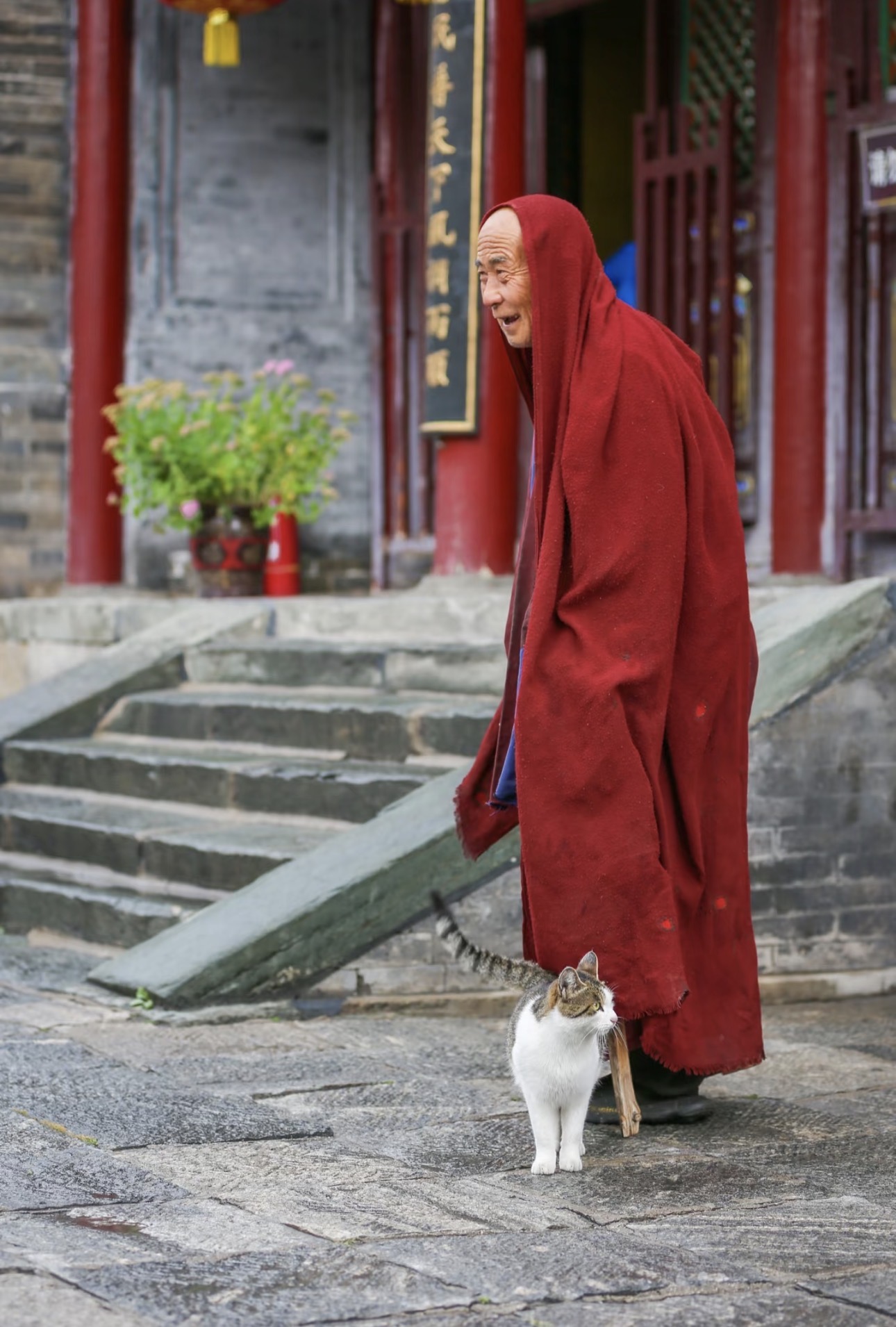
Travel by high-speed train to Beijing in the morning. After checking into your hotel, visit the Lama Temple (Yonghe Palace), a major Tibetan Buddhist temple in the capital. Walk through incense-filled courtyards and see the tall statue of the future Buddha inside the main hall.
Drive to the Mutianyu section of the Great Wall, known for its mountain setting and restored towers. Take a cable car up, walk between watchtowers, and choose cable car or toboggan for the way down. Back in the city, explore a hutong neighborhood in the old districts, visiting a local courtyard home and trying a short cultural activity such as calligraphy or paper cutting.
Begin at the Temple of Heaven park, watching residents practice tai chi, singing, and games before stepping into the ceremonial buildings where emperors once prayed for good harvests. Afterwards, enter the Forbidden City and follow a route that combines the central halls with some less-crowded courtyards to understand both imperial ceremony and daily palace life.
Enjoy a final walk or café stop if time allows. Your guide and driver then transfer you to the airport and assist with departure formalities.
You stay in centrally located hotels in each city, generally in the 4-star or boutique 4–5 star range unless you request otherwise. In Huangshan, Longji, Yangshuo, Zhangjiajie, and Datong, properties are chosen to balance character with comfort and good access to the sights. All rooms have private bathrooms and standard modern amenities. Upgrades, special hotel styles, or extra nights in any stop can be arranged.
Daily breakfast is provided at your hotels. Many days include lunch at selected local restaurants, introducing you to regional flavors from the lower Yangtze, Guangxi countryside, Hunan-style dishes, and northern staples in Xi’an, Datong, and Beijing. Several evenings are left open so you can choose between street food, casual eateries, or more refined dining. Most dietary requirements (such as vegetarian, halal, or gluten-free) can usually be accommodated with advance notice.



.svg)