Self-Driving Rides, Cashless Living, Bullet Trains, And Neon Skylines In One New China Route
An 8-day private journey through Beijing, Hangzhou, and Shanghai that weaves together classic icons like the Forbidden City, the Great Wall, and West Lake with hands-on glimpses of robots, drones, and next-generation transport in China’s most forward-looking cities.
Key Info
- Duration: 8 days / 7 nights
- Destinations: Beijing → Hangzhou → Shanghai
- Travel Style: Private, fully guided, customizable
- Focus: Classic landmarks + high-tech experiences (smart transport, robotics, “cashless life”)
Modern Experiences Along The Way
- Try self-driving transport in one of China’s pilot zones, such as an autonomous taxi or bus in a new district.
- Visit interactive science and space museums that showcase robotics, AI, rocketry, and future tech in an accessible way.
- Dine in a smart restaurant where robot servers deliver your dishes and the kitchen runs on automated systems.
- Stay in smart hotel rooms with app-based controls, facial-recognition check-in, or robot room service in selected properties.
- Watch a drone light show or other nighttime tech display where hundreds of drones paint moving patterns above the city.
- Experience China’s high-speed rail on a G-series bullet train, cruising at around 300–350 km/h between cities.
- Finish with a ride on a maglev train, using magnetic levitation to glide at ultra-high speed from the city toward the airport.
Suggested Itinerary
Day 1 — Beijing · Tech Museums And Smart Dining
- Arrive in Beijing and meet your private guide.
- Visit a major science and technology museum with hands-on exhibits about physics, energy, robotics, and innovation.
- Continue to an aerospace or space-exploration museum to see rockets, satellites, and stories from China’s space program.
- Enjoy dinner at a high-tech hotpot or smart restaurant, where robot waiters or automated systems handle part of the service.
Day 2 — Beijing · Forbidden City Engineering And Hutong Craft
- Explore Tian’anmen Square and enter the Forbidden City with a route focused on how wooden palaces were engineered to stand for centuries and resist earthquakes without using nails.
- Learn about traditional architectural joints and load-bearing structures that link old craftsmanship to modern design principles.
- In the afternoon, walk through a hutong neighborhood, watching daily life in Beijing’s old lanes.
- Try a simple workshop such as assembling a wooden joint or small model that shows how traditional building techniques work.
Day 3 — Beijing · Great Wall And Temple Of Heaven Acoustics
- Head to the Mutianyu section of the Great Wall, known for impressive views and flexible access options (cable car, chairlift, toboggan).
- Walk between watchtowers and reflect on how this ancient defense system compares with today’s high-tech infrastructure.
- In the afternoon, visit the Temple of Heaven. Besides learning about imperial rituals, test its acoustic design, where whispers and echoes travel in surprising ways along curved walls and under domes.
Day 4 — Summer Palace And Bullet Train To Hangzhou
- Spend the morning at the Summer Palace, wandering lakeside paths, the long painted corridor, and hilltop viewpoints around the royal retreat.
- After lunch, head to the station and board a high-speed bullet train to Hangzhou, experiencing smooth, fast intercity travel at up to around 300–350 km/h.
- Arrive in Hangzhou, transfer to your hotel, and take an evening walk if you wish.
Day 5 — Hangzhou · West Lake And Future Tech District
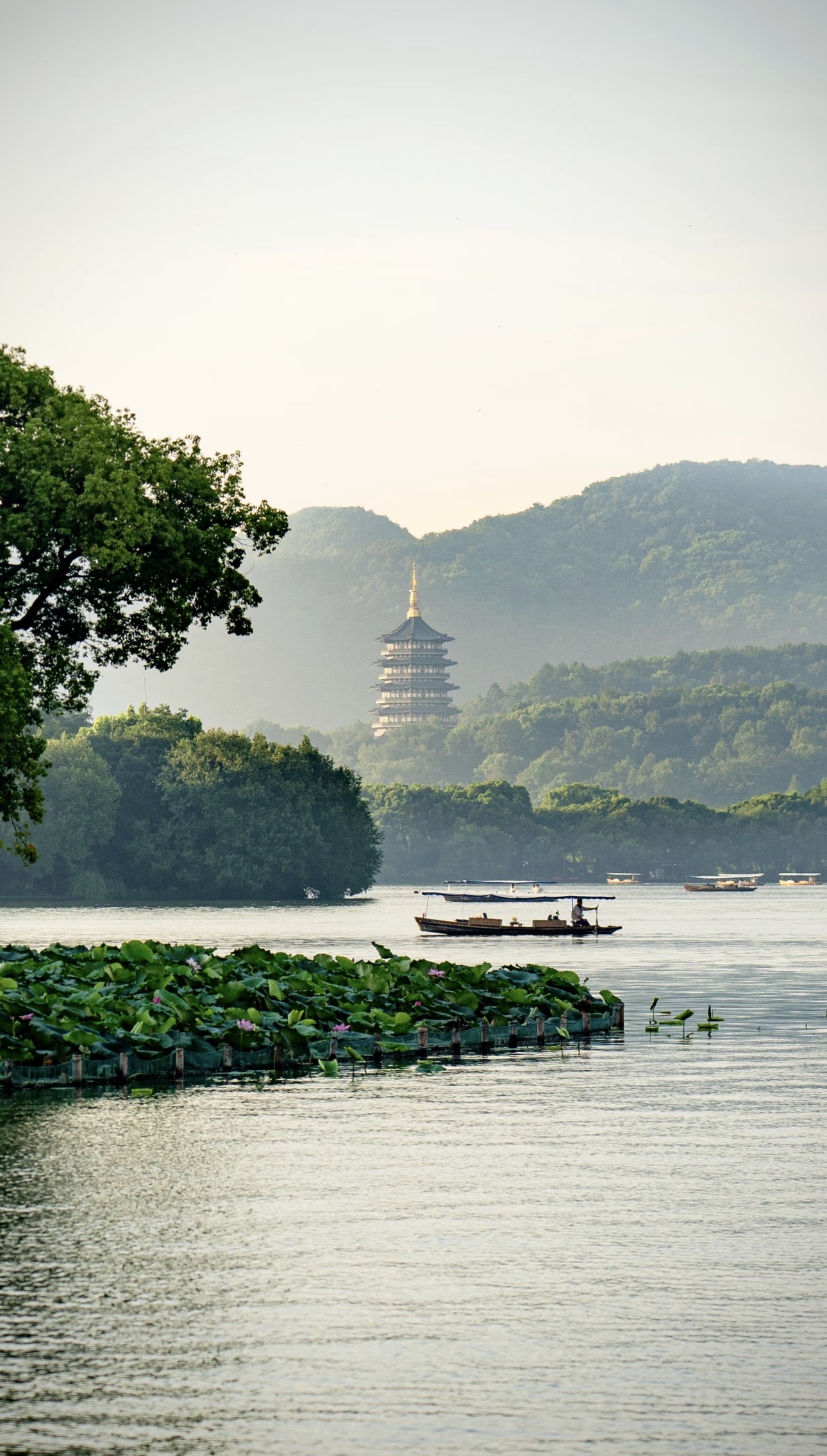
- Take a gentle boat ride on West Lake, passing pagodas, causeways, and willow-lined shores that have inspired poets for centuries.
- See how a city known from classical paintings now coexists with tech campuses and modern business districts.
- Visit a technology or innovation center in a newer part of Hangzhou, where exhibits or showrooms highlight AI applications, robotics, and digital platforms embedded in daily life.
- Experience “cashless city” living, using mobile payments for transport, snacks, or small purchases if you’d like to try it.
Day 6 — Shanghai · Skyscrapers And Skyline Walk
- Travel by high-speed train from Hangzhou to Shanghai.
- Ascend a super-tall skyscraper such as Shanghai Tower or a similar landmark to learn how the building is engineered to handle wind, weather, and earthquakes while offering sweeping views over the city.
- Stroll the Bund, where historic riverfront facades face futuristic towers across the water, capturing China’s shift from old trading port to global finance hub.
- In the evening, enjoy the city lights from a riverside promenade or rooftop viewpoint.
Day 7 — Shanghai · Smart City Encounters
- Explore a modern business or innovation district, where you can see how new transport, logistics, and “smart city” systems are being applied in real neighborhoods.
- Optionally visit a robotics showroom, interactive tech space, or concept store to see service robots, automated warehouses, or mixed-reality experiences.
- Check into or visit a smart hotel that uses digital check-in, in-room tablets, or robot delivery for amenities, and see how hospitality is evolving.
- Time permitting, watch an evening light or drone show over the skyline or a major public square.
Day 8 — Shanghai · Maglev Ride And Departure
- Ride a maglev train from the city toward the airport, experiencing magnetic-levitation technology and very high speeds in a short journey.
- Your guide helps with airport check-in and departure, or you can continue your travels elsewhere in China.
Accommodation
Stay in well-located, modern hotels selected for both comfort and access to new-city districts. Where possible, choose properties offering smart-room features such as app-controlled lighting, in-room tablets, or robot delivery, so you experience tech both outside and inside your hotel.
Cuisine
Breakfast is usually served in your hotel. Many lunches or dinners can be arranged in innovative restaurants that blend local flavors with modern service concepts—from classic Beijing and Hangzhou dishes to Shanghai fusion cuisine, sometimes delivered by robots or supported by smart kitchens. Most dietary preferences (vegetarian, halal, gluten-free, etc.) can be accommodated with advance notice.

.svg)




.svg)