
.svg)
9-Day Tibet-Sacred Stillness Yoga Retreat
This quam quae perferendis harum amet dolorum possimus minus.
Occaecati magnam animi quasi dolor quae et aut.
Autem voluptas alias nobis in odit.
Discover
Beijing · Shanghai · Xi’an · Chengdu · Hangzhou · Guangzhou · Shenzhen...
We offer not only this journey, but also fully customized experiences ranging from a single day to several months or even years, tailored to your interests and goals.
This one–day journey is designed for travelers who want to slow down and be taken care of.
No rushing through landmarks, no performance pressure—just deep, passive enjoyment of Chinese wellness culture.
In each city, we curate a bespoke route that can include:
Each day is thoughtfully curated around a small selection of experiences, chosen and paced according to your interests and energy.
Below is a detailed introduction you can use across all destinations.
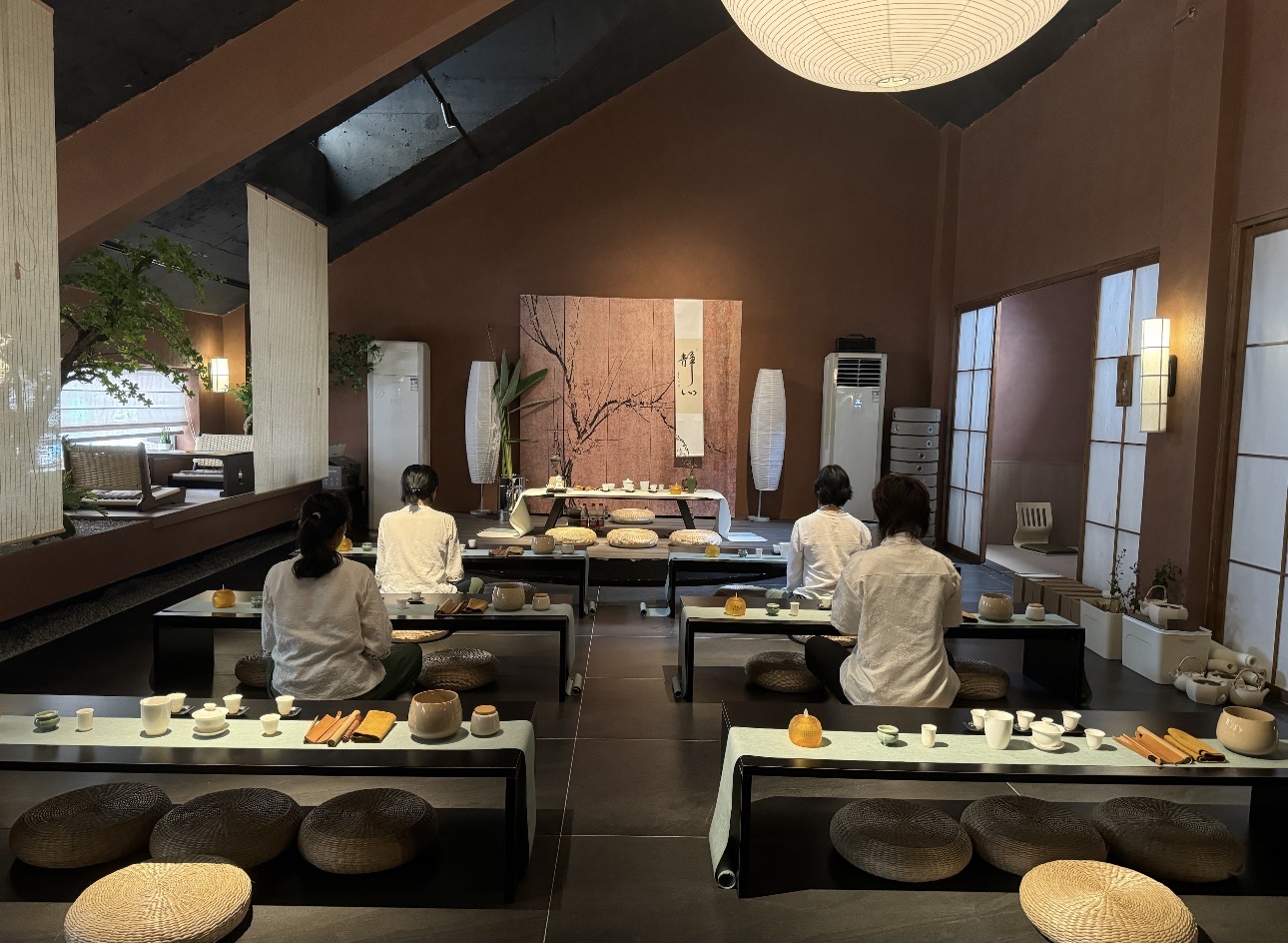
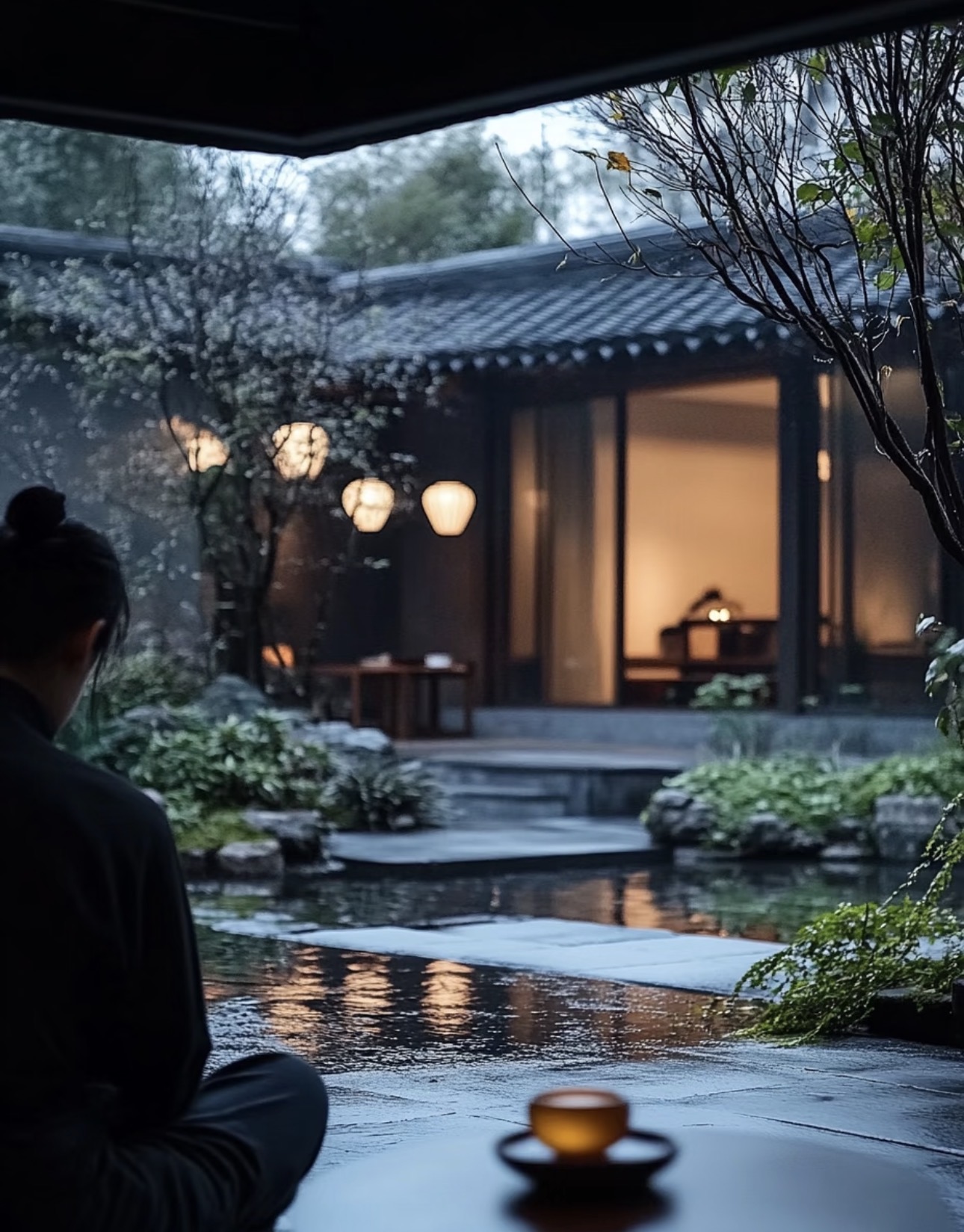
In China, tea is not just a drink. It is a moving meditation.
During the Zen Tea Ceremony, guests sit with a tea master who prepares Chinese tea using traditional tools: clay teapots, delicate cups, a tea tray, and flowing hot water. The master will explain:
Guests are not required to do anything complicated.
You simply sit, observe, sip, and feel your senses gradually become sharper and quieter.
This experience helps visitors understand:
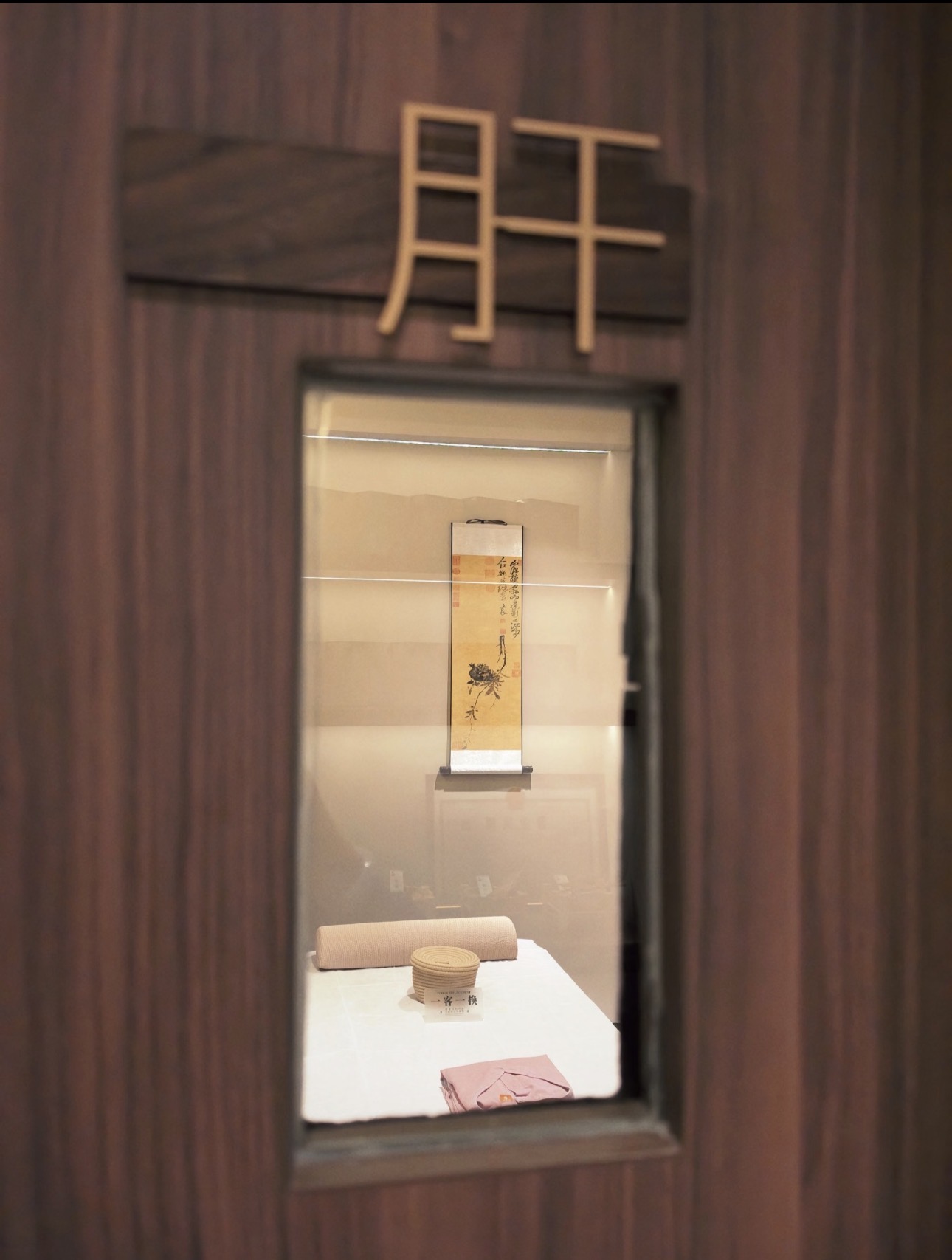
Chinese massage, or tui na, is one of the oldest manual therapies in East Asia, rooted in Traditional Chinese Medicine (TCM).
Rather than just “relaxing the muscles,” tui na works along:
The therapist uses:
During the session, guests simply lie down and receive.
You may feel:
We frame this clearly as:
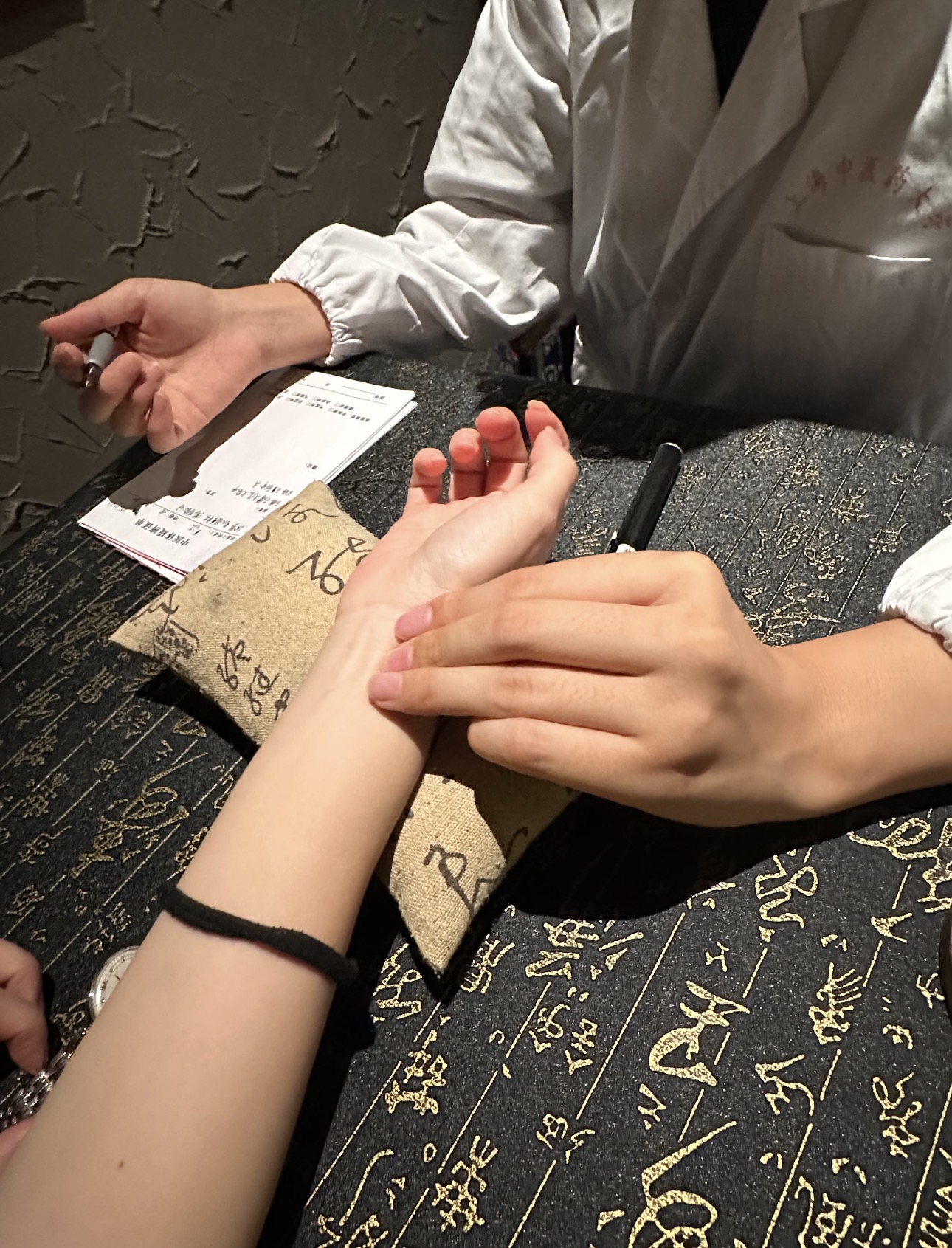
Pulse diagnosis is one of the most iconic elements of Traditional Chinese Medicine.
In this experience, a licensed TCM doctor lightly holds your wrist at three positions and senses:
The doctor may then share:
For many foreign guests, this is a fascinating moment:
We keep it:
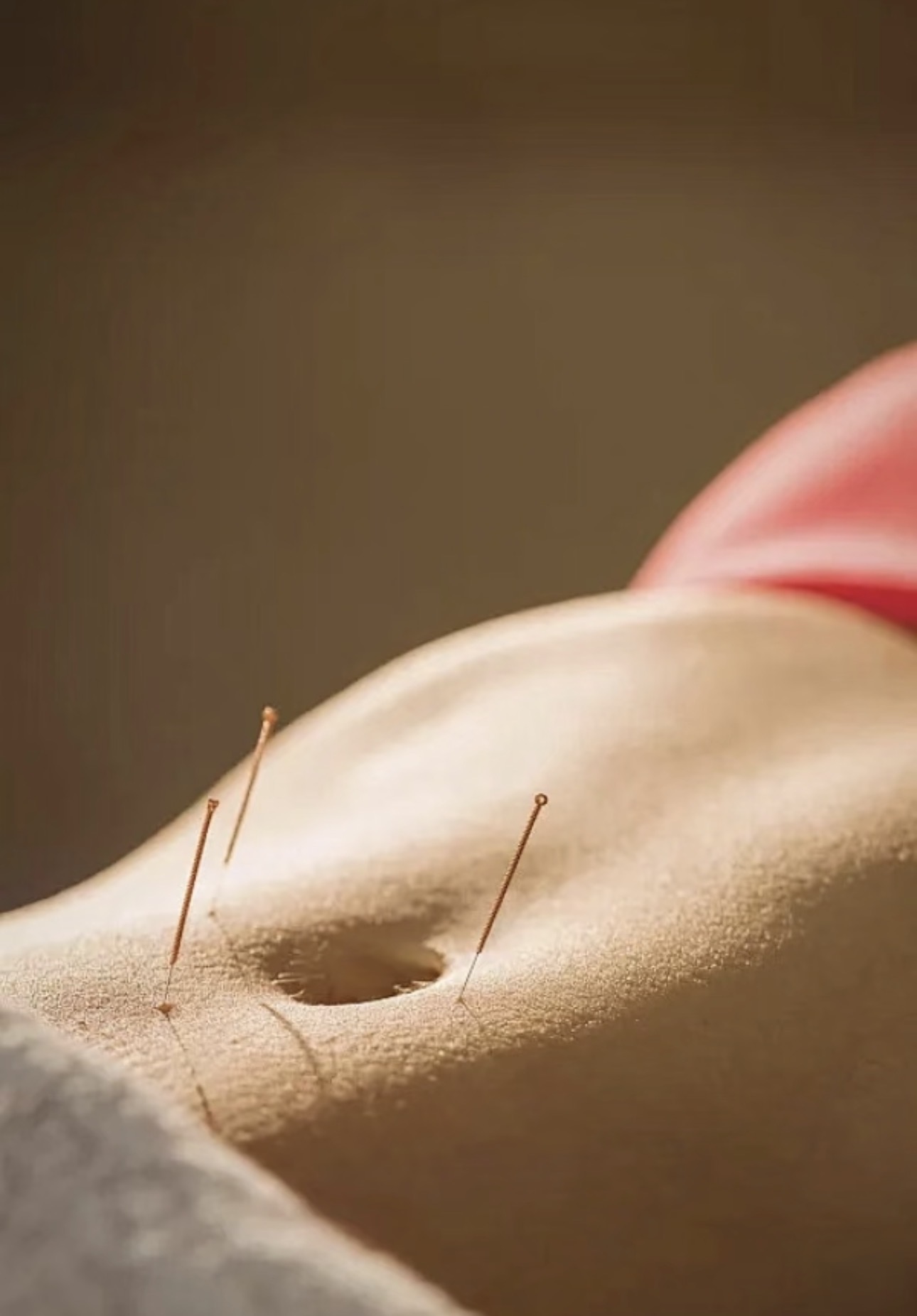
Acupuncture is perhaps the most globally recognized aspect of Chinese medicine, yet most people have never experienced it in its authentic cultural context.
In this session, under the care of a professional acupuncturist:
Before the needles are placed, the practitioner will explain:
We emphasize:
For many visitors, this becomes a memorable story:
the moment they trusted their body to another culture’s wisdom and felt surprisingly calm.
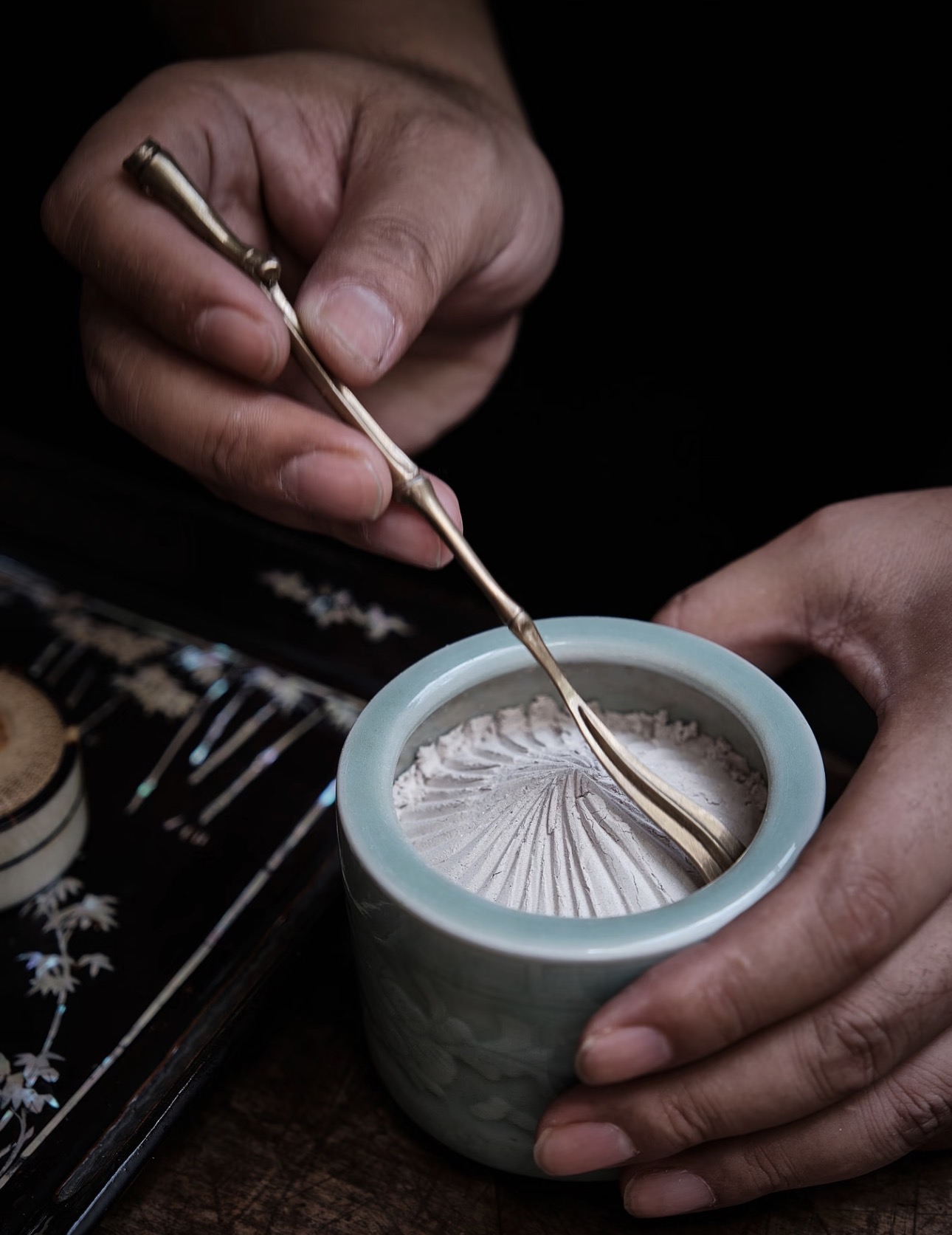
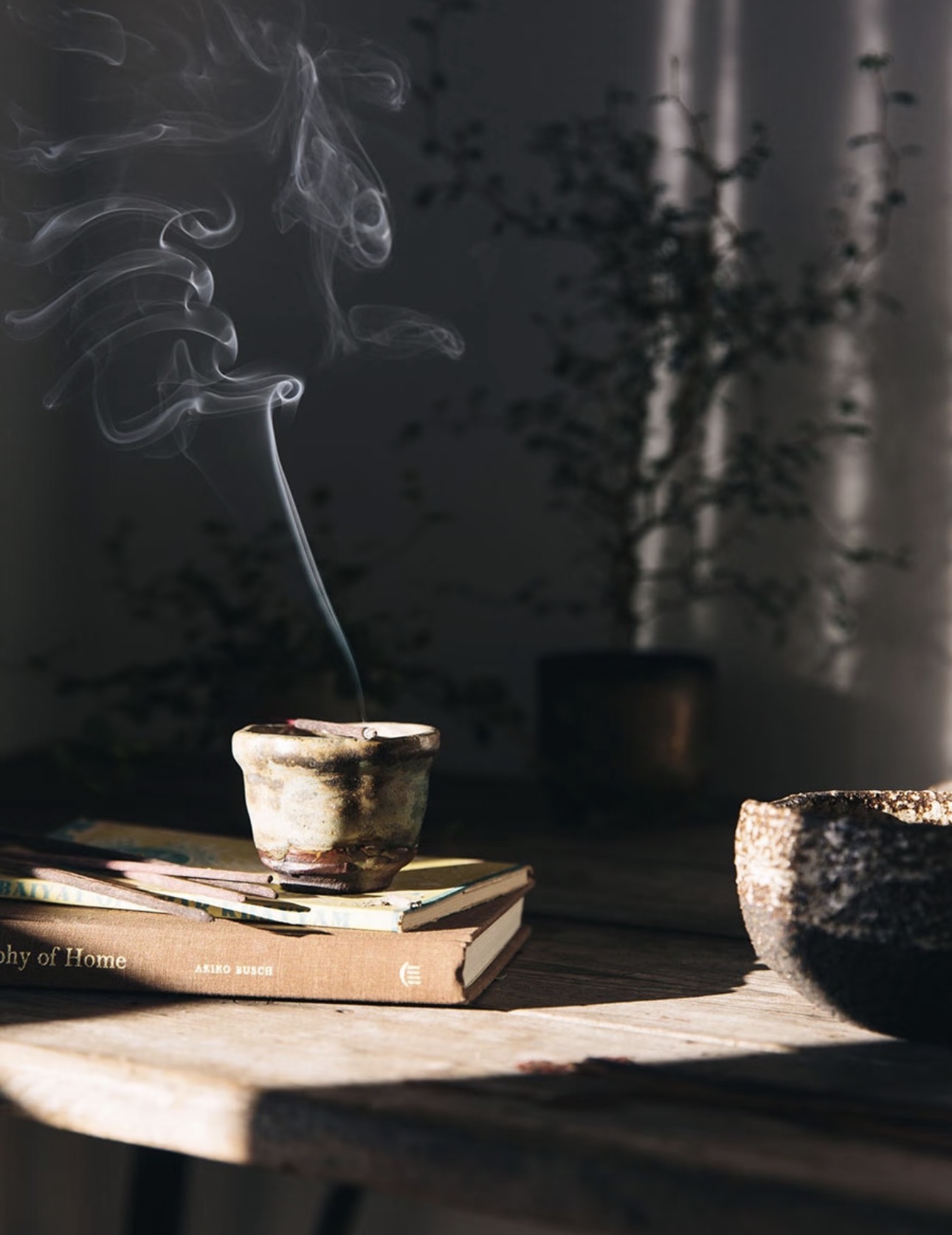
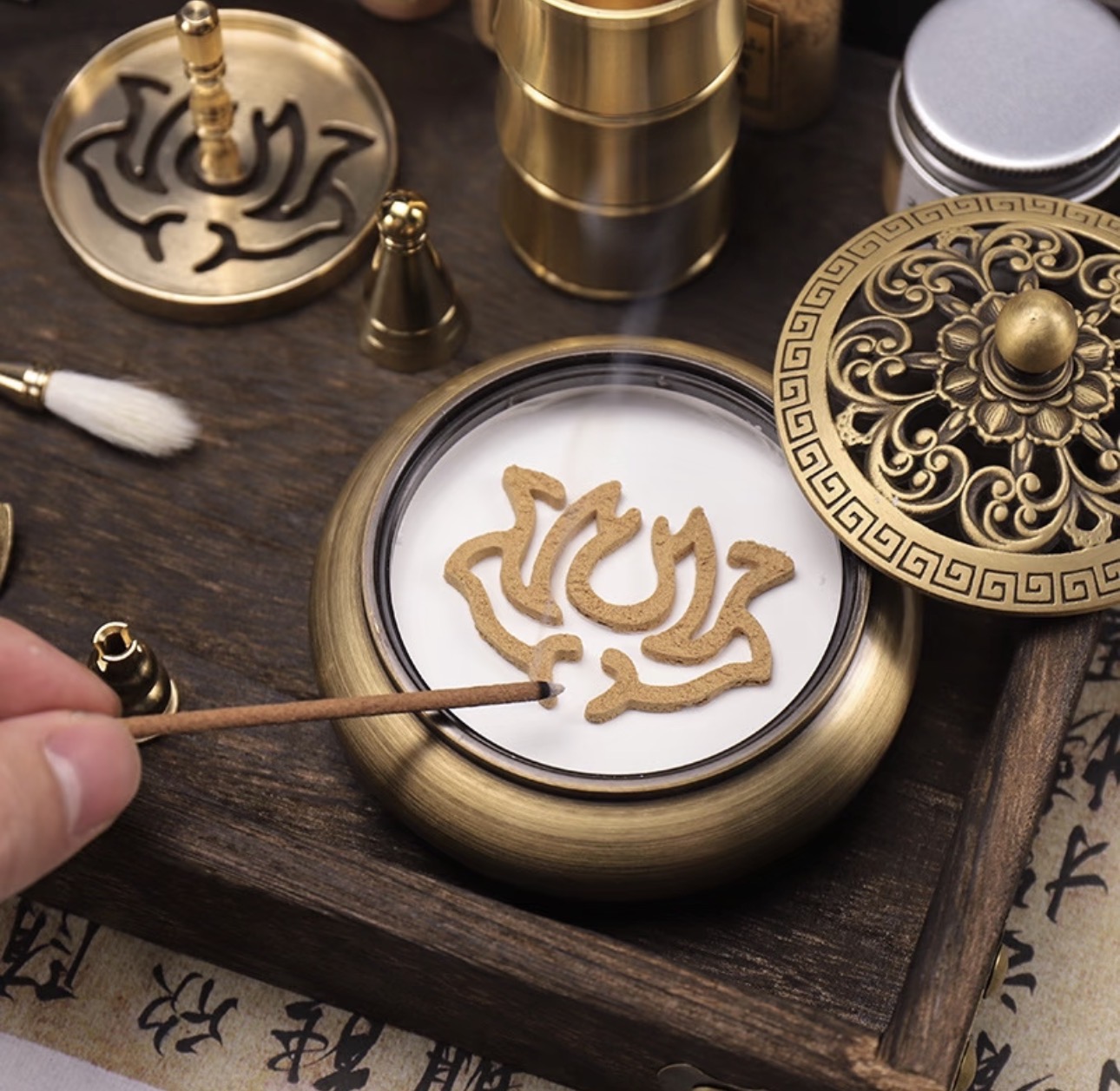
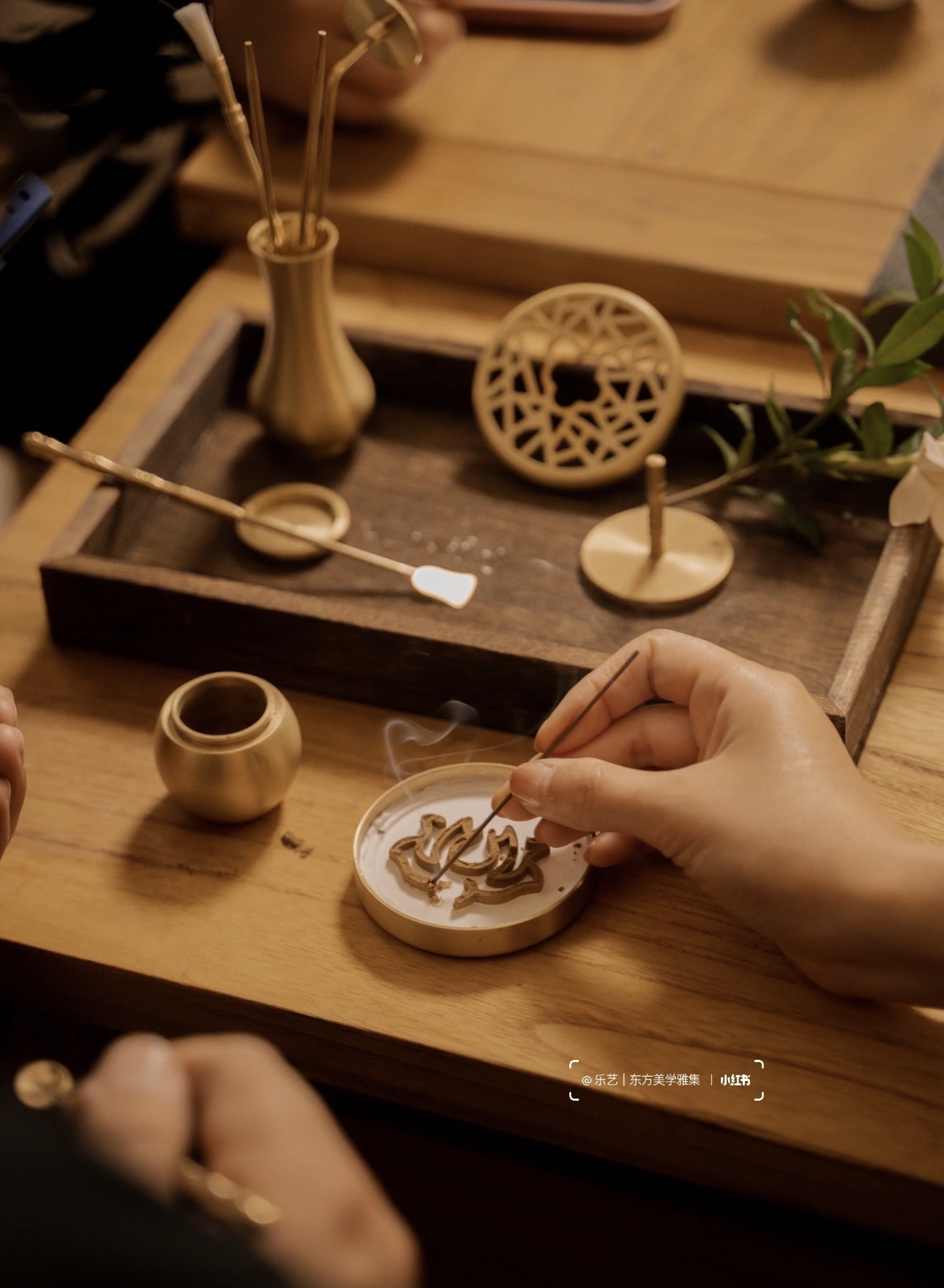
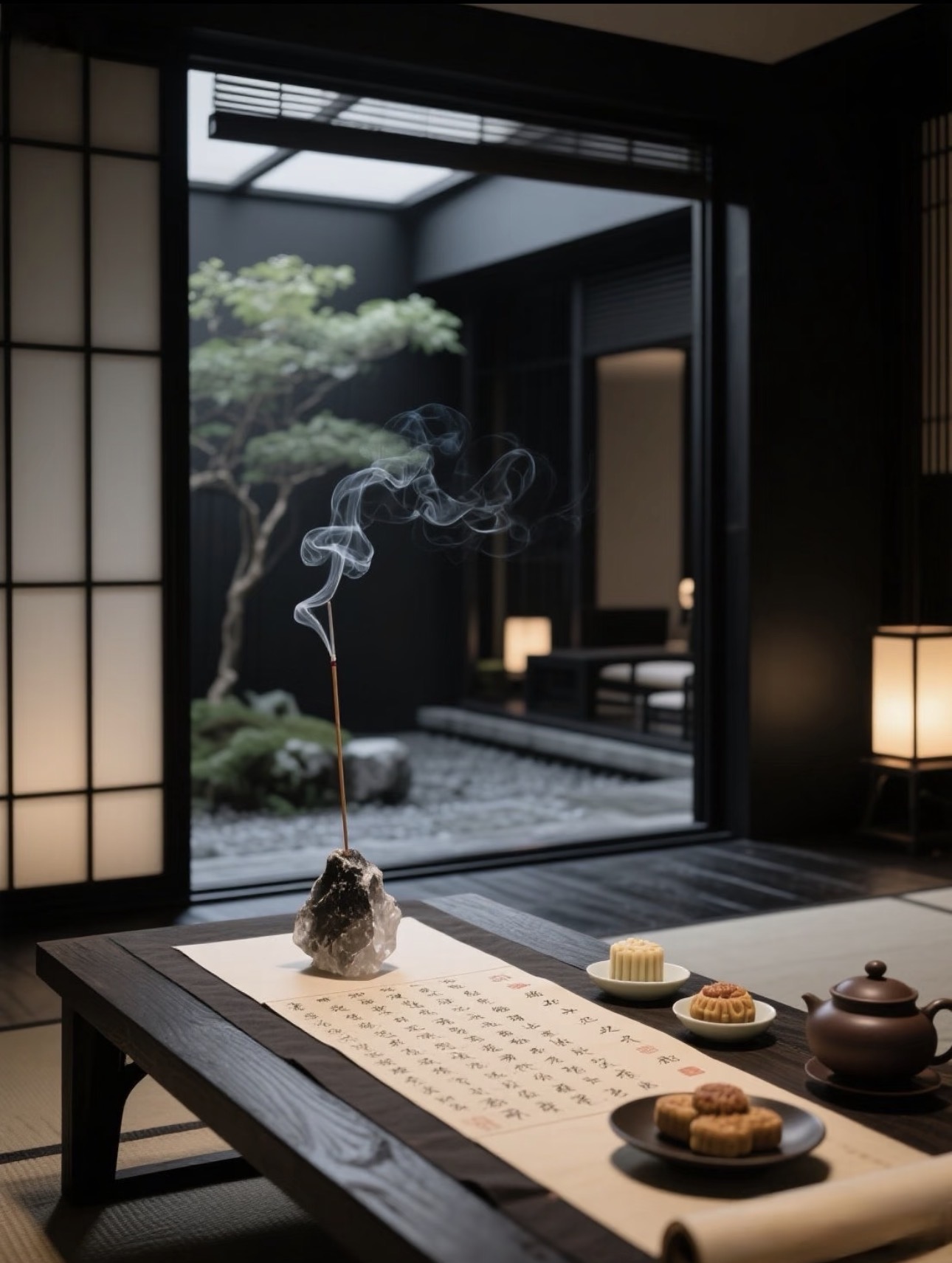
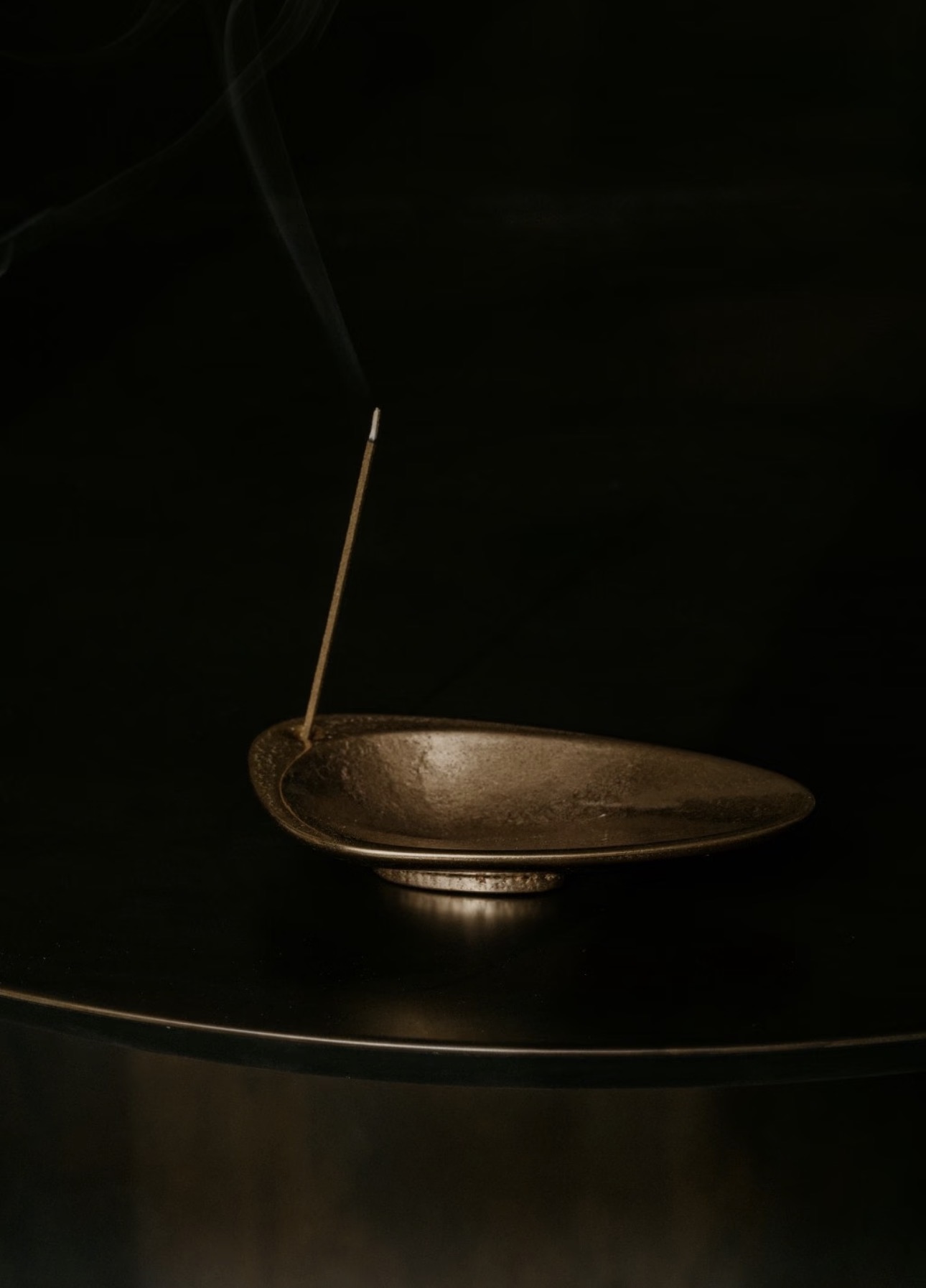
Incense has been part of Chinese spiritual life for centuries—used in Buddhist temples, Daoist rituals, literati gatherings, and private homes.
In our incense meditation:
The focus is not on religion, but on:
Whether the incense style leans more Buddhist or Daoist, the message is the same:
learn to anchor the mind using something extremely subtle.
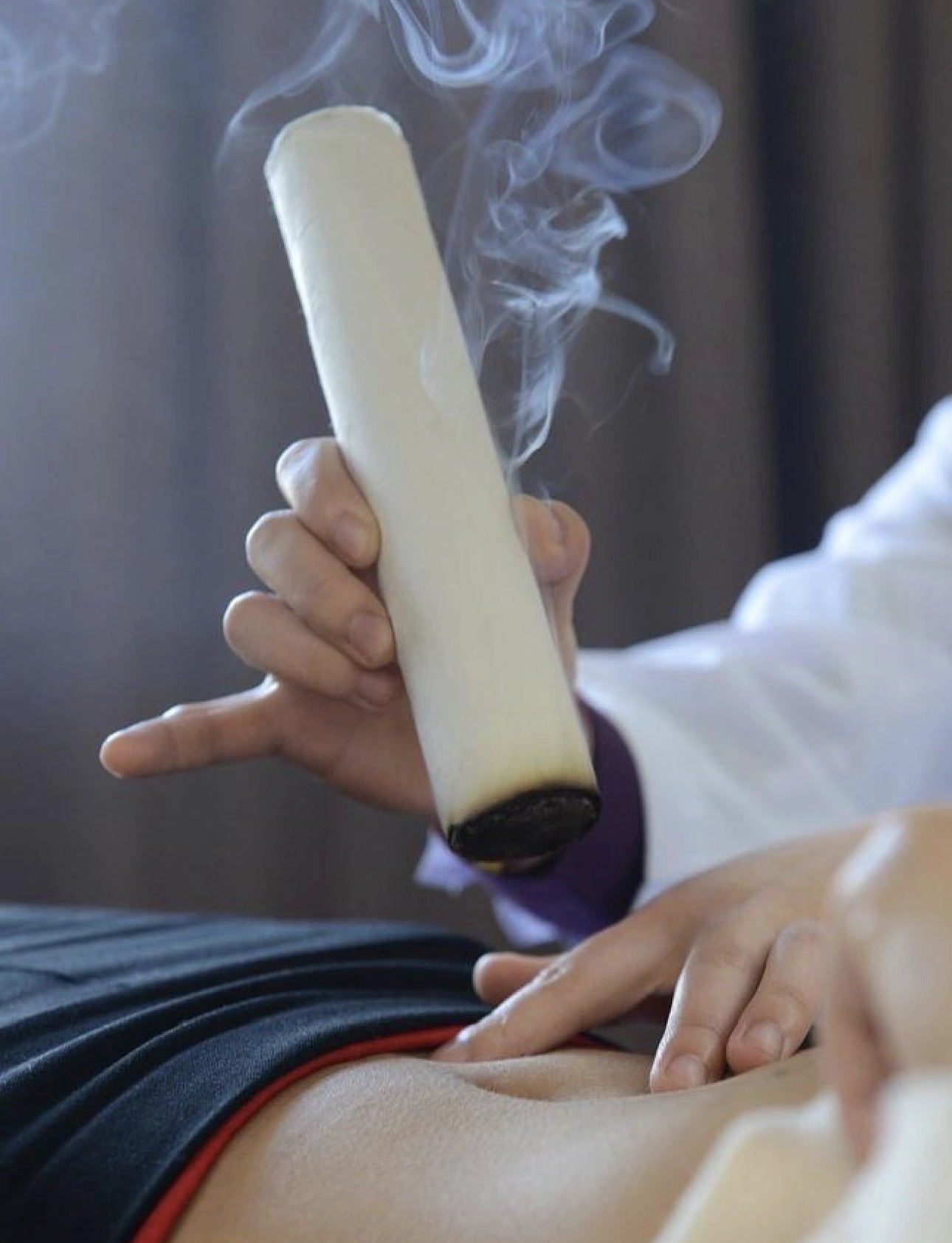
Moxibustion is one of the oldest therapeutic practices in Traditional Chinese Medicine, dating back more than two thousand years. Using dried mugwort (ai ye), gentle warmth is applied to specific points on the body to stimulate circulation, dispel cold, and restore internal balance.
Unlike acupuncture, moxibustion does not puncture the skin. Instead, it works through heat and intention, allowing the body to relax deeply while gradually absorbing warmth. In classical Chinese medicine, this warmth is believed to strengthen vital energy (qi), support digestion, improve sleep, and ease chronic tension caused by stress or fatigue.
During the experience, guests simply lie down or sit comfortably as a trained practitioner applies moxibustion in a calm, controlled manner. The sensation is subtle yet profound — a slow, penetrating warmth that feels grounding rather than intense. It offers a uniquely Chinese understanding of healing through gentleness, patience, and time.
This Day Trip is designed as a “passive enjoyment” retreat:
A typical flow in any big city (Beijing, Shanghai, Guangzhou, Shenzhen) might look like:
But every program is fully customizable:
More than “spa” or “wellness,” this journey is an invitation to:
It is a day for people who want to pause, be cared for, and quietly discover:
How does it feel when my body meets another civilization’s way of healing?
If you later want the active version—tai chi, qigong, standing meditation, temple walks—
this passive day becomes the perfect first step.
At InHe China, our mission is to invite people from around the world to China for a genuine, immersive encounter with its traditional culture—and to bring the depth, wisdom, and living spirit of Chinese civilization to a global audience.





.svg)